
The Real Pros and Cons of Installing Smart Water Leak Detectors in Brentwood
Water damage strikes Nashville homes without warning. A single burst pipe can destroy floors, walls, and personal belongings within hours. Smart water leak detectors offer 24/7 monitoring and automatic shut-off capabilities that could save you thousands in repairs. But are these systems worth the investment for your Brentwood home? EPA WaterSense.
Smart leak detection technology has evolved significantly in recent years. Today’s systems can detect microscopic leaks, monitor water pressure, and shut off your main water supply automatically when problems arise. For Nashville homeowners facing unique challenges like freeze-thaw cycles and aging infrastructure, these devices represent a significant advancement in home protection. How to Deal with Hard Water Issues in Your Mt Juliet Home.
How Smart Water Leak Detectors Work
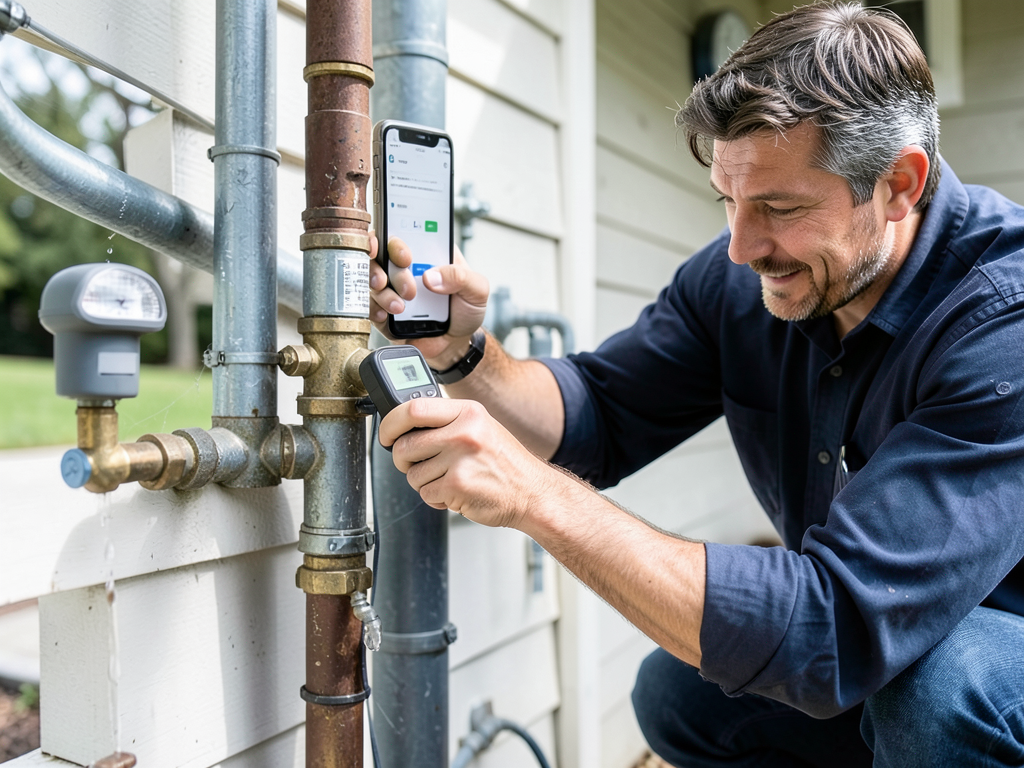
Smart leak detectors combine sensors, Wi-Fi connectivity, and automated shut-off valves to create a comprehensive water protection system. The basic setup includes:
- Water sensors placed at high-risk locations like under sinks, near water heaters, and around appliances
- A central hub that monitors water flow and pressure throughout your home
- An automatic shut-off valve installed on your main water line
- Mobile app integration for real-time alerts and remote monitoring
When the system detects unusual water flow patterns or moisture, it sends instant notifications to your smartphone. Many systems can also automatically shut off your water supply to prevent extensive damage.
The Benefits of Smart Leak Detection
24/7 Protection and Peace of Mind
Traditional leak detection relies on you noticing water damage or hearing unusual sounds. Smart systems monitor continuously, even when you’re asleep or away from home. This constant vigilance means problems get caught within minutes rather than hours or days.
For Brentwood residents who travel frequently or own vacation properties, this remote monitoring capability proves invaluable. You can check your home’s water status from anywhere and receive alerts about potential issues before they escalate.
Insurance Benefits and Cost Savings
Many Tennessee insurance companies offer premium discounts for homes equipped with certified leak detection systems. These discounts can range from 5% to 15% annually, potentially offsetting a significant portion of the system’s cost over time.
Beyond insurance savings, these systems can prevent catastrophic damage. The average water damage claim in Nashville exceeds $10,000, while smart systems typically cost between $500 and $2,000 installed. The math becomes clear when you consider the potential savings from preventing just one major leak.. Read more about Preventing a Laundry Room Flood in Your Wedgewood-Houston Townhome.
Water Conservation and Efficiency
Smart leak detectors don’t just prevent damage; they also help identify hidden water waste. Small, continuous leaks can waste thousands of gallons annually. By detecting these issues early, you can reduce your water bills and environmental impact.
Some advanced systems also monitor water pressure and usage patterns, helping you identify opportunities for efficiency improvements. This data can be particularly valuable for Brentwood homes with irrigation systems or pools.
Integration with Smart Home Systems
Modern leak detectors integrate seamlessly with popular smart home platforms like Amazon Alexa, Google Home, and Apple HomeKit. This integration allows for automated responses, such as turning off lights when water is detected or sending emergency notifications to family members.
For tech-savvy Brentwood homeowners, this smart home integration adds another layer of convenience and control to their property management.
The Drawbacks and Considerations
Initial Cost and Installation Requirements
The upfront investment for smart leak detection systems ranges from $500 for basic DIY setups to $2,000+ for professional installations with automatic shut-off valves. Professional installation is recommended for systems that integrate with your main water line, as improper installation can lead to its own set of problems. Professional Plumbing Fixture Installation for Your Brentwood Remodel.
Installation typically requires access to your main water line and may involve some plumbing modifications. For older Brentwood homes with galvanized pipes or complex plumbing layouts, installation can become more involved and costly. Who to Call When Your Pipes Burst in Nashville at 3 AM.
Reliance on Technology and Connectivity
Smart leak detectors depend on Wi-Fi connectivity and smartphone access to function properly. If your internet goes down or your phone battery dies, you might miss critical alerts. Some systems offer cellular backup options, but these add to the overall cost.
Additionally, like all technology, these systems can experience glitches or false alarms. Understanding how to troubleshoot common issues becomes important for maintaining reliable protection.
Maintenance and Battery Requirements
Smart leak detectors require regular maintenance to ensure optimal performance. This includes checking sensor batteries, updating firmware, and occasionally recalibrating the system. Some homeowners find these ongoing maintenance requirements burdensome compared to traditional leak detection methods.
Battery-powered sensors typically need replacement every 1-2 years, while wired systems may require professional servicing to maintain proper function.
Privacy and Data Concerns
Smart home devices collect data about your home’s water usage patterns. While manufacturers claim this data helps improve system performance, some homeowners have privacy concerns about what information is collected and how it’s used.
Understanding the data policies of different manufacturers becomes important when selecting a system that aligns with your privacy preferences.
Comparing Popular Smart Leak Detection Systems
Several manufacturers offer smart leak detection solutions, each with different features and price points. Here’s how some of the most popular options compare:
| System | Key Features | Price Range | Best For |
|---|---|---|---|
| Moen Flo | Whole-home monitoring, automatic shut-off, pressure tracking | $500-$800 | Comprehensive protection |
| Phyn Plus | Advanced pressure analysis, AI learning, professional installation | $850-$1,200 | Technical homeowners |
| StreamLabs | Flow meter, app control, DIY installation option | $300-$500 | Budget-conscious users |
| Wally Home | Multi-sensor system, temperature/humidity monitoring | $200-$400 | Multi-room coverage |
Installation Considerations for Brentwood Homes
Local Plumbing Infrastructure
Brentwood homes often feature modern PEX plumbing systems that work well with smart leak detectors. However, older homes in nearby areas like Franklin may have galvanized pipes that require additional considerations during installation. Getting Your Franklin TN Water Heater Replaced Without the Stress.
Nashville’s water pressure typically ranges from 40-80 PSI, which falls within the operating range of most smart leak detection systems. However, homes near major water mains or in areas with pressure fluctuations may need pressure regulators installed.
Climate and Environmental Factors
Middle Tennessee experiences significant temperature swings throughout the year. Smart leak detectors must function reliably in both summer heat and winter freeze conditions. Systems with temperature monitoring can provide early warnings about conditions that might lead to frozen pipes.
Heavy spring rains common to the Nashville area can also create conditions where groundwater enters basements through foundation cracks. Smart moisture sensors placed in these areas can provide early warnings about potential flooding.
Local Building Codes and Permits
Davidson County and Williamson County have specific requirements for plumbing modifications. Professional installation ensures compliance with local codes and may be required for systems that integrate with your main water line. Plumbing Mount Juliet.
Permits may be necessary for installations that involve cutting into existing plumbing or installing automatic shut-off valves. Professional installers typically handle permit requirements as part of their service.
Professional vs. DIY Installation
When to Choose Professional Installation
Professional installation makes sense for systems that integrate with your main water line, for homes with complex plumbing layouts, or when you want the manufacturer’s warranty honored. Licensed plumbers can also identify potential issues during installation that might affect system performance.
For Brentwood homeowners who value their time or lack plumbing experience, professional installation eliminates the risk of installation errors that could lead to leaks or system malfunctions.
DIY Installation Considerations
Basic sensor-only systems can often be installed by homeowners with minimal tools and experience. These systems typically involve placing battery-powered sensors in strategic locations and connecting them to a Wi-Fi hub.
However, DIY installation of systems with automatic shut-off valves carries risks. Improper installation can lead to water damage, void warranties, or create code compliance issues that complicate future home sales.
Cost Analysis and ROI
Understanding the full cost picture helps determine whether smart leak detection makes financial sense for your situation. Here’s a breakdown of typical costs and potential savings:
| Cost Factor | Range | Notes |
|---|---|---|
| System Purchase | $300-$1,200 | Depends on features and brand |
| Professional Installation | $200-$500 | May be higher for complex setups |
| Annual Monitoring Fees | $0-$100 | Some systems charge for premium features |
| Insurance Discounts | $50-$300/year | Depends on your insurance provider |
| Potential Damage Prevention | $5,000-$50,000+ | Average water damage claim costs |
The return on investment typically becomes positive within 2-5 years when factoring in insurance discounts and potential damage prevention. For high-value homes or properties in flood-prone areas, the ROI can be even more compelling.
Common Installation Mistakes to Avoid
Whether you choose professional or DIY installation, certain mistakes can compromise your system’s effectiveness:
- Incorrect sensor placement – Sensors should be placed where leaks are most likely to occur, not just where they’re convenient to install
- Ignoring water pressure issues – High water pressure can cause false alarms or damage the system
- Weak Wi-Fi signal – Smart leak detectors need reliable connectivity to function properly
- Skipping system testing – Always test your system after installation to ensure proper function
- Overlooking local codes – Some installations require permits or must meet specific code requirements
Making the Right Choice for Your Brentwood Home
Smart water leak detectors offer significant benefits for Nashville homeowners, but they’re not the right solution for everyone. Consider these factors when making your decision:
Your Risk Profile
If your home has experienced previous water damage, contains valuable items on lower levels, or you travel frequently, the investment becomes more justifiable. Conversely, if you’re home most of the time and have newer plumbing, the benefits may be less compelling.
Your Technical Comfort Level
Smart home technology requires some technical aptitude for setup and maintenance. If you’re comfortable with smartphone apps and basic troubleshooting, you’ll likely have a better experience with these systems.
Your Budget and Priorities
While smart leak detectors can prevent expensive damage, they require upfront investment. Consider whether this money might be better spent on other home improvements or whether the peace of mind is worth the cost to you.
Your Insurance Situation
Contact your insurance provider to understand what discounts are available and what documentation they require. Some insurers only recognize certain brands or installation methods for discount eligibility.
Frequently Asked Questions
How long does installation take?
Professional installation typically takes 2-4 hours for basic systems. More complex installations with automatic shut-off valves may require 4-6 hours or multiple visits.
Can smart leak detectors prevent all water damage?
While these systems significantly reduce the risk of water damage, they cannot prevent all types of water intrusion. They’re most effective against plumbing leaks and appliance failures, but may not detect groundwater seepage or roof leaks.
What happens if the power goes out?
Most smart leak detectors include battery backup that maintains basic functionality for 24-48 hours. Systems with automatic shut-off valves typically retain their last command if power is lost.
Do I need to replace my existing shut-off valve?
Not necessarily. Many smart leak detection systems can work with your existing main shut-off valve, though some may recommend replacement for optimal performance.
How accurate are these systems?
Modern smart leak detectors are highly accurate, with most systems correctly identifying leaks 95% of the time or better. False alarms are rare but can occur due to pressure fluctuations or sensor malfunctions.
Protect Your Brentwood Home Today
Smart water leak detectors represent a significant advancement in home protection technology. For Nashville homeowners facing unique climate challenges and aging infrastructure, these systems offer valuable peace of mind and potential cost savings.
The decision ultimately comes down to your specific situation, risk tolerance, and budget. If you’re ready to explore smart leak detection for your Brentwood home, professional installation ensures optimal performance and compliance with local codes.
Don’t wait for water damage to strike. Contact Ironwood Plumbing today at (615) 413-8833 to schedule a consultation and learn how smart leak detection can protect your home and belongings from costly water damage.
Our experienced technicians understand the unique plumbing challenges facing Nashville-area homes and can recommend the right solution for your specific needs. We’ll handle everything from system selection to professional installation, ensuring your home has the protection it deserves. For more information, visit IICRC.