How to Stop Your Belle Meade Basement from Flooding This Season
Spring storms in Middle Tennessee can dump several inches of rain in just a few hours. That water finds its way into basements through cracks hydrostatic pressure and overwhelmed drainage systems. If your Belle Meade home sits on the limestone bedrock common to Davidson County you already know the ground absorbs water like a sponge. When that happens your sump pump becomes your first and last line of defense.
Understanding Why Belle Meade Basements Flood
Belle Meade homes often sit on land with high water tables. The combination of heavy clay soil and shallow limestone creates poor drainage. When Nashville receives a sudden downpour the water has nowhere to go. It collects around your foundation and pushes through basement walls. Older homes built before modern waterproofing standards face even greater risk. If your sump pump fails during one of these storms you could have inches of water inside within minutes.
Common Causes of Basement Flooding in Middle Tennessee
Heavy rainfall overwhelms drainage systems. Power outages disable electric sump pumps. Clogged discharge pipes force water back into the basement. Frozen discharge lines in winter create backups. Foundation cracks widen over time letting groundwater seep in. Poor yard grading directs water toward your home instead of away from it. Tree roots can invade and block underground drainage pipes. Each of these issues can flood your basement without warning.
Essential Sump Pump Maintenance for Nashville Homeowners
Test your sump pump every three months by pouring water into the pit. Listen for the float switch to activate and watch the water drain. Clean the inlet screen to prevent debris from clogging the pump. Check the discharge pipe for obstructions or ice buildup in winter. Replace the battery in your backup system every two years. Inspect the check valve to ensure water flows only one direction. These simple steps keep your system ready when storms hit.
Types of Sump Pumps and When to Upgrade
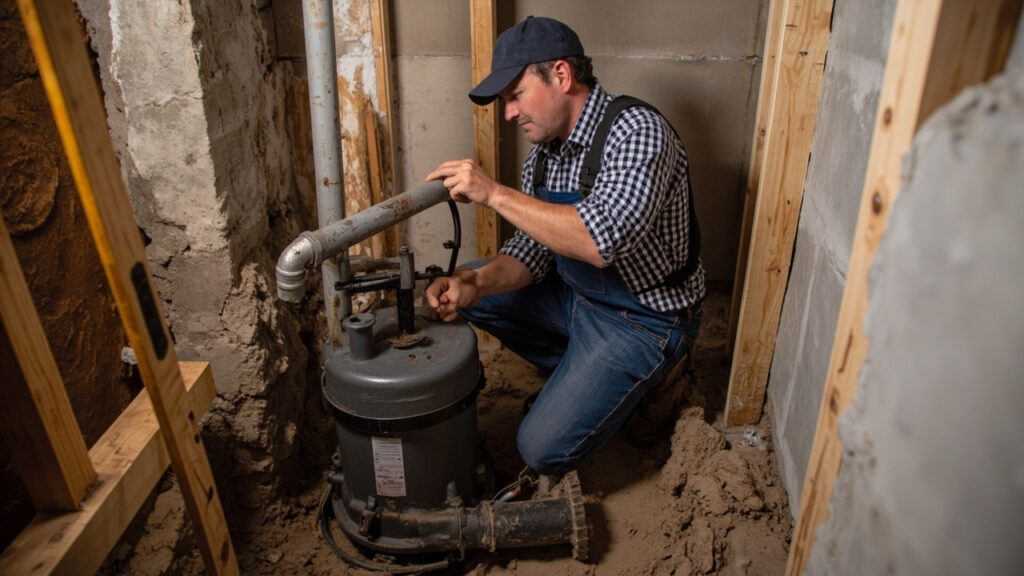
Submersible pumps sit inside the pit and run quieter than pedestal models. Pedestal pumps have the motor above the water making them easier to service. Battery backup systems keep your pump running during power outages. Water-powered backup pumps use municipal water pressure as an emergency power source. Smart sump pumps send alerts to your phone when water levels rise or the system fails. If your current pump is over seven years old consider replacing it before the next big storm.
Professional Basement Waterproofing Solutions
French drains redirect groundwater away from your foundation. Exterior waterproofing membranes seal basement walls from the outside. Interior drainage systems collect water that seeps through walls and channel it to the sump pit. Foundation crack repair prevents new leaks from forming. Yard regrading ensures water flows away from your home. These solutions work together to keep your basement dry even during Nashville’s heaviest rains.
Emergency Response Steps When Your Basement Floods
Turn off electricity to the affected area before entering standing water. Wear rubber boots and gloves for protection. Remove valuable items from the wet area immediately. Use a wet vacuum or pump to remove standing water if safe to do so. Set up fans and dehumidifiers to dry the space quickly. Document damage with photos for insurance claims. Contact a professional plumber to inspect and repair your sump system. Quick action prevents mold growth and structural damage.
Seasonal Checklist for Basement Flood Prevention
Spring: Test your sump pump before rainy season begins. Clean gutters and downspouts. Check yard grading after winter erosion. Summer: Monitor for foundation cracks during dry spells. Keep vegetation trimmed away from the house. Fall: Clear leaves from drainage areas. Inspect discharge pipes for blockages. Winter: Insulate exposed pipes. Check for ice buildup around discharge lines. Test your backup battery system.
Cost Factors for Sump Pump Installation and Repair
Pump replacement costs vary based on pump type and installation complexity. Submersible pumps typically cost more than pedestal models but offer better performance. Battery backup systems add $500 to $1,500 to the total cost. Professional installation ensures proper sizing and code compliance. Emergency service calls during storms often carry premium rates. DIY repairs might seem cheaper but can lead to bigger problems if done incorrectly. Most homeowners find professional installation pays for itself by preventing flood damage.
Comparing Sump Pump Types and Features
| Pump Type | Best For | Average Lifespan | Noise Level |
|---|---|---|---|
| Submersible | Heavy use areas | 5-7 years | Quiet |
| Pedestal | Light use areas | 7-10 years | Moderate |
| Battery Backup | Power outage protection | 3-5 years | Quiet |
| Water Powered | Areas with municipal water | 10+ years | Quiet |
Warning Signs Your Sump System Needs Attention
- Unusual noises during pump operation
- Frequent cycling on and off
- Visible rust or corrosion on components
- Water backing up into the pit
- Musty odors in the basement
- Higher than normal humidity levels
- Foundation cracks appearing near basement walls
Why Professional Installation Matters
Professional plumbers calculate the correct pump size based on your basement square footage and local water table depth. They ensure proper pit dimensions and drainage pipe sizing. Licensed installers follow Nashville building codes and obtain necessary permits. They test the complete system including backup components. Professional work includes warranties on both parts and labor. Most importantly they spot potential problems before they cause expensive damage.
Local Building Considerations for Belle Meade Homes
Belle Meade sits in a region with specific drainage challenges. The area receives an average of 51 inches of rain annually more than the national average. Many homes were built before modern sump pump requirements existed. Some properties have underground springs that create constant moisture problems. The limestone bedrock makes trenching for drainage systems more difficult and expensive. Local building codes require proper discharge routing to prevent water from flowing onto neighboring properties.
Smart Technology for Modern Flood Protection
Wi-Fi enabled sump pumps send alerts to your smartphone when water levels rise or the system fails. Some models integrate with home automation systems to trigger lights or alarms during emergencies. Smart water sensors placed around your basement detect moisture before visible flooding occurs. These devices can automatically shut off your main water supply if a leak is detected. While the initial investment seems high the peace of mind during storm season proves invaluable.
Insurance Considerations for Basement Flooding
Standard homeowners insurance typically does not cover flood damage. You need separate flood insurance through the National Flood Insurance Program or private insurers. Document your basement’s condition with photos before any problems occur. Keep receipts for sump pump maintenance and repairs. Some insurance companies offer discounts for homes with professionally installed flood prevention systems. Review your policy annually to ensure adequate coverage as your home’s value increases.
Long-Term Solutions for Chronic Basement Moisture
Whole-house waterproofing systems address underlying drainage issues rather than just symptoms. Exterior foundation waterproofing prevents water from reaching your basement walls. Interior drainage systems collect and redirect water that does enter. Dehumidification systems control moisture levels year round. These comprehensive solutions cost more upfront but eliminate the stress of seasonal flooding concerns.
Choosing the Right Professional for Your Project
Look for licensed plumbers with specific experience in basement waterproofing. Check reviews from other Belle Meade homeowners. Verify proper insurance coverage including workers compensation. Ask about warranties on both products and labor. Get detailed written estimates that specify exactly what work will be performed. Choose professionals who explain their recommendations clearly and answer all your questions thoroughly.
Frequently Asked Questions
How often should I test my sump pump?
Test your sump pump every three months by pouring water into the pit until the float switch activates. This ensures the system works when you need it most.
What size sump pump do I need for my basement?
Pump size depends on your basement square footage and local water table conditions. A professional plumber calculates the correct horsepower based on these factors to ensure adequate performance during heavy storms.
Can I install a sump pump myself?
While DIY installation is possible it often leads to problems. Professional installation ensures proper sizing code compliance and warranty protection. Mistakes can cause flooding or code violations that cost more to fix than professional installation.
Take Action Before the Next Storm Hits
Your basement protects your home’s foundation and stores valuable possessions. Don’t wait until water is pouring in to address sump pump issues. Test your system today. Schedule professional maintenance if you notice any warning signs. Consider upgrading older equipment before the rainy season begins. Most importantly have a plan for what to do if flooding occurs despite your best prevention efforts. Call Ironwood Plumbing at (615) 413-8833 for 24/7 emergency service throughout Belle Meade and surrounding Nashville neighborhoods. We’ll help you keep your basement dry no matter what storms come our way.