




Menu

How to Prevent Frozen Pipes in Nashville – Expert Winterization Tips to Protect Your Home Before the Next Cold Snap

Learn the proven techniques Nashville homeowners use to prevent frozen pipes, from insulating vulnerable lines to maintaining proper heat circulation. These strategies stop costly bursts before they happen.

Slider Image 1
Slider Image 2
Slider Image 3
Slider Image 4
Slider Image 5
Slider Image 7
Slider Image 8
Slider Image 9
Slider Image 10
Slider Image 11

Why Nashville Winters Put Your Plumbing at Risk

Nashville's unpredictable winter weather creates the perfect storm for frozen pipes. Unlike northern cities where consistent cold triggers homeowner vigilance, Middle Tennessee experiences sudden temperature drops that catch residents off guard. One day it's 55 degrees, the next morning it's 18 with a 20 mph wind. That rapid swing leaves no time for proper winterizing plumbing pipes.

The city's housing stock adds another layer of vulnerability. Many Nashville homes built in the 1960s through 1990s feature exterior walls with minimal insulation and crawl spaces that expose supply lines to frigid air. Homes in East Nashville, Germantown, and the Gulch often have pipes running through unheated attics or along exterior walls facing north. When temperatures drop below 20 degrees for more than a few hours, water in these lines begins to freeze.

The freezing process creates intense pressure inside copper or PEX lines. Water expands roughly 9% as it turns to ice. That expansion has nowhere to go in a closed pipe system. The result is a split pipe, often at joints or bends where stress concentrates. The real damage starts when temperatures rise and ice melts. Water floods walls, ceilings, and crawl spaces. By the time you notice the leak, hundreds of gallons may have escaped.

Stopping pipes from freezing requires understanding your home's specific vulnerabilities. Pipes in exterior walls, unheated garages, and crawl spaces face the highest risk. Kitchen sinks on outside walls and bathroom plumbing in additions often freeze first. Knowing where your weak points exist helps you focus protection efforts where they matter most.

Why Nashville Winters Put Your Plumbing at Risk
The Science Behind Frozen Pipe Prevention

The Science Behind Frozen Pipe Prevention

Keeping water pipes from freezing centers on three principles: insulation, heat retention, and water movement. Each principle addresses a different aspect of the freezing process.

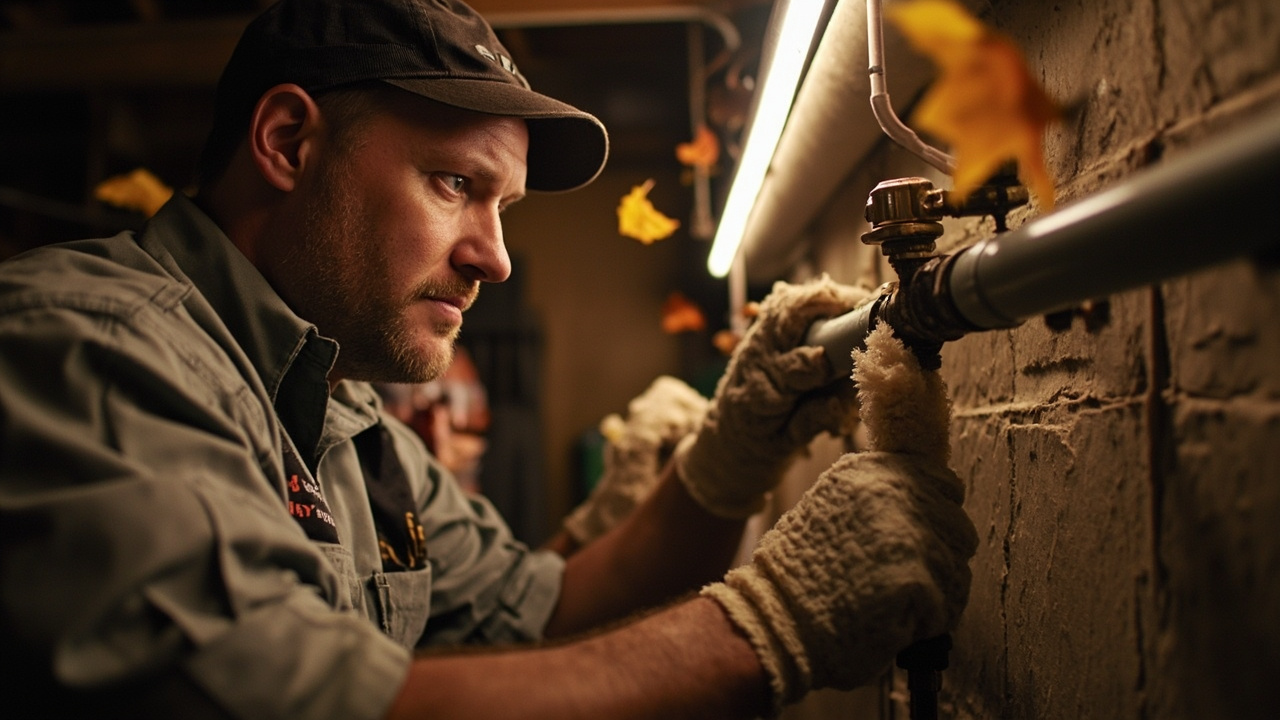
Insulation creates a thermal barrier between cold air and water lines. Foam pipe sleeves, fiberglass wrap, or heat tape provide this barrier. The insulation must be continuous with no gaps. Even a six-inch exposed section can freeze. We focus on the transition points where pipes penetrate walls or enter the home from crawl spaces. These spots lose heat fastest.

Heat retention keeps ambient temperatures above freezing in spaces where pipes run. This means maintaining at least 55 degrees in crawl spaces, attics, and garages during cold snaps. Opening cabinet doors under sinks allows warm air from living spaces to circulate around supply lines. Keeping thermostat settings consistent, even when you're away, prevents the temperature drops that trigger freezing.

Water movement prevents ice formation through kinetic energy. Moving water resists freezing far better than static water. During extreme cold, allowing faucets to drip creates continuous flow through supply lines. The drip doesn't need to be heavy. A pencil-lead-thin stream provides enough movement. Focus on faucets served by pipes in exterior walls or unheated spaces.

The winterization process also includes draining outdoor hose bibs and irrigation systems. Water trapped in exterior spigots freezes and cracks the valve body. The crack often sits inside the wall where you can't see it. Come spring, water pours into your wall cavity. Disconnect hoses, close interior shutoff valves, and open exterior spigots to drain residual water.

Your Pipe Protection Action Plan

How to Prevent Frozen Pipes in Nashville – Expert Winterization Tips to Protect Your Home Before the Next Cold Snap
01

Identify Vulnerable Lines

Walk your property during daylight and map every pipe location. Check crawl spaces, attics, exterior walls, and unheated areas. Note which pipes have existing insulation and which sit exposed. Pay attention to pipes near foundation vents or rim joists where cold air infiltrates. Document bathroom and kitchen plumbing on exterior walls. This assessment shows you exactly where to focus protection efforts.
02

Install Protective Barriers

Apply foam pipe insulation to all exposed supply lines, securing it with zip ties or tape. For pipes in extreme cold zones, add heat tape underneath the foam layer. Seal foundation vents with foam board cut to fit the openings. Cover crawl space access doors with insulated panels. Install faucet covers on exterior hose bibs. These barriers create multiple defense layers against temperature drops.
03

Monitor and Maintain

Check weather forecasts from November through March. When temperatures will drop below 25 degrees, open cabinet doors, set faucets to drip, and maintain consistent heat. Walk your property after cold snaps to verify no leaks developed. Replace damaged insulation each fall before winter arrives. This ongoing attention catches problems early and maintains protection year after year.

Why Nashville Homeowners Trust Local Plumbing Expertise

Frozen pipe prevention requires knowledge of how Nashville homes are built and where they fail. National plumbing companies follow generic checklists. Local expertise understands the specific construction patterns that create vulnerabilities in Middle Tennessee housing.

Homes built before 1980 in neighborhoods like Sylvan Park and Belmont-Hillsboro often have galvanized steel supply lines running through exterior walls with zero insulation. These pipes freeze faster than copper because steel conducts cold more efficiently. Protecting these systems requires different strategies than newer PEX installations in Green Hills subdivisions.

Nashville's building codes have evolved significantly over the past 40 years. Older homes may have plumbing configurations that violate current standards but were legal when built. A local plumber recognizes these legacy systems and knows how to protect them without expensive re-piping. That saves you thousands while still preventing freeze damage.

The crawl space issue matters particularly in Nashville. Most homes sit on crawl space foundations rather than slabs or basements. These crawl spaces create a buffer zone that protects plumbing when properly managed but becomes a liability when neglected. Understanding crawl space ventilation, vapor barriers, and insulation requirements specific to Tennessee climate conditions makes the difference between pipes that survive winter and pipes that burst.

Ironwood Plumbing Nashville technicians know which neighborhoods experienced freeze damage in past cold snaps. We understand the elevation changes across Davidson County and how those affect cold air pooling. That local knowledge helps us prioritize protection measures for your specific property and microclimate.

What Happens When You Take Action Now

Immediate Protection Timeline

You can implement basic frozen pipe prevention measures in a single afternoon. Foam pipe insulation installs quickly on accessible lines. Sealing foundation vents takes minutes per opening. Heat tape application requires more care but completes in a few hours for an average home. If you need professional help with hard-to-reach pipes in walls or complex crawl space work, we typically schedule assessments within 48 hours and complete installations within a week. The key is acting before the first hard freeze, not after.

Property Assessment Process

A thorough pipe vulnerability assessment examines every water line in your home. We inspect crawl spaces, attics, exterior walls, and unheated spaces. Thermal imaging cameras identify cold spots where heat escapes and pipes face exposure. We document pipe materials, insulation conditions, and airflow patterns. You receive a written report identifying high-risk areas and recommended protection measures. This assessment takes one to two hours depending on property size and provides the roadmap for effective winterization.

Long-Term Freeze Protection

Properly installed pipe insulation and heat tape last five to ten years before requiring replacement. Foam deteriorates from moisture and UV exposure but maintains effectiveness when protected from these elements. Heat tape continues functioning as long as electrical connections stay dry and intact. Annual inspections verify protection remains in place and functional. The investment you make this fall protects your home through multiple winter seasons. You avoid the emergency service calls, water damage repairs, and insurance claims that frozen pipes create.

Ongoing Monitoring Support

Preventing frozen pipes requires vigilance every winter. We provide seasonal reminders when cold weather approaches, prompting you to activate drip protocols and check insulation. If you experience a freeze despite precautions, emergency response gets a technician to your property quickly to minimize damage. Many homeowners schedule fall plumbing checkups that include winterization verification along with water heater flushing and fixture inspections. This proactive approach catches problems before they become crises.

Frequently Asked Questions

You Have Questions,
We Have Answers

How do I stop my pipes from freezing? +

Insulate exposed pipes in crawl spaces, attics, and exterior walls with foam pipe sleeves or heat tape. Seal cracks and gaps where cold air enters around pipe penetrations. Disconnect garden hoses and shut off outdoor faucet valves before Nashville's winter freezes hit. Open cabinet doors under sinks during cold snaps to let warm air circulate. Keep your thermostat consistent, even when you leave home. For pipes in unheated areas, consider installing thermostatically controlled heat cables. Nashville's freeze-thaw cycles make preparation critical since temperatures can swing dramatically overnight.

At what temperature will pipes freeze? +

Pipes begin freezing when temperatures drop to 20 degrees Fahrenheit or below for extended periods. However, pipes in unheated spaces like crawl spaces or exterior walls can freeze at 32 degrees. Nashville typically sees hard freezes in January and February, with overnight lows occasionally dipping into the teens. Wind chill accelerates freezing. The danger zone lasts about six consecutive hours at or below 20 degrees. Pipes with minimal insulation or those along exterior walls freeze faster. Monitor forecasts and take preventive action before temperatures fall.

At what temperature should you let your faucets drip? +

Let faucets drip when temperatures drop below 28 degrees Fahrenheit, especially if the forecast calls for prolonged cold lasting more than four hours. Nashville winters bring unpredictable cold fronts that can last overnight or several days. Focus on faucets connected to pipes running through exterior walls, crawl spaces, or unheated areas. The drip keeps water moving, preventing the stagnant conditions that allow ice formation. Even a pencil-thin stream works. This simple step reduces pressure buildup that causes pipes to burst when ice expands.

How much water should I run to keep pipes from freezing? +

A steady drip equivalent to five to ten drips per minute is enough to keep water moving through pipes. You need only a thin stream, about the width of a pencil lead. This small flow prevents standing water from freezing without wasting significant amounts of water. Focus on fixtures connected to vulnerable pipes in crawl spaces or exterior walls. In Nashville, where winter temperatures fluctuate rapidly, starting the drip when temps approach 28 degrees protects your plumbing. Running water continuously wastes resources and increases your bill unnecessarily.

Do you run both hot and cold water to keep pipes from freezing? +

Yes, run both hot and cold water when letting faucets drip. Most homes have separate supply lines for hot and cold water, and both can freeze. Cold water pipes often run through unheated spaces like crawl spaces or exterior walls, making them more vulnerable. Hot water pipes can freeze if they run through the same areas or if your water heater is in an unheated space. Nashville homes with crawl space plumbing face this risk during hard freezes. Running both protects your entire system and prevents expensive repairs.

Do ping pong balls keep water from freezing? +

No, ping pong balls do not prevent pipe freezing. This myth suggests floating balls on water surfaces stop ice formation, but pipes freeze from the inside when temperatures drop low enough. The only way to prevent frozen pipes is proper insulation, maintaining heat, and keeping water moving. Nashville homeowners need real solutions like pipe insulation, heat tape, and letting faucets drip during freezes. Do not rely on gimmicks. Focus on proven methods that protect your plumbing when temperatures fall below 20 degrees for extended periods.

Where are the pipes most likely to freeze? +

Pipes freeze most often in unheated crawl spaces, attics, exterior walls, and garages. Outdoor hose bibs and supply lines near foundation vents are extremely vulnerable. In Nashville, many older homes have crawl space plumbing with minimal insulation, making them freeze-prone during January and February cold snaps. Pipes along north-facing walls or in unconditioned spaces lose heat quickly. Any pipe exposed to outside air or located in areas below 32 degrees risks freezing. Identify these vulnerable spots before winter and insulate them properly.

What temperature should I leave my heating on overnight to stop pipes freezing? +

Keep your thermostat at 55 degrees Fahrenheit or higher overnight to prevent pipes from freezing. This maintains enough ambient warmth to protect plumbing in walls and crawl spaces. Do not lower the heat drastically to save on bills during Nashville winter nights when temperatures drop into the teens or twenties. Consistent heating costs less than repairing burst pipes and water damage. Open cabinet doors under sinks to help warm air reach pipes along exterior walls. If you leave town during winter, maintain this minimum temperature.

Does homeowners insurance cover frozen pipes? +

Homeowners insurance typically covers burst pipe damage only if the freezing resulted from a sudden, accidental event and you took reasonable steps to prevent it. If you left your home unheated or failed to winterize plumbing, your claim may be denied. Policies usually cover water damage to floors, walls, and belongings but not the cost to repair or replace the frozen pipe itself. Review your policy before Nashville winter hits. Document preventive measures like insulation and temperature maintenance to support potential claims.

Does leaving your faucet dripping keep pipes freezing? +

Yes, leaving faucets dripping prevents pipes from freezing by keeping water moving through the system. Running water does not freeze as easily as standing water. The drip relieves pressure buildup that causes pipes to burst when ice forms and expands. This method works best for faucets connected to vulnerable pipes in crawl spaces, attics, or exterior walls. During Nashville cold snaps when temperatures fall below 28 degrees for several hours, a steady drip is cheap insurance against thousands in repair costs and water damage.

How Nashville's Freeze-Thaw Cycles Make Pipe Protection Critical

Nashville experiences 10 to 15 freeze-thaw cycles each winter. Temperatures drop below freezing overnight, rise above 40 degrees by afternoon, then plunge again after sunset. This cycling stresses plumbing systems more than sustained cold. Each freeze expands water and ice inside pipes. Each thaw contracts materials. After multiple cycles, weak points in joints and fittings develop micro-cracks. These cracks grow until catastrophic failure occurs, often during the coldest night of the season. The Tennessee Valley Authority reports that regional power demand spikes correlate directly with plumbing emergency calls. When everyone runs heat continuously during multi-day cold snaps, pipes pushed to their limits finally give way. Protecting pipes against this cyclical stress requires robust insulation and consistent heat maintenance.

Local plumbers understand Nashville's infrastructure challenges in ways that national chains cannot replicate. We know which water mains run shallow in older neighborhoods, making them susceptible to freeze damage that reduces water pressure to homes. We recognize the construction boom periods that produced homes with specific plumbing vulnerabilities. We maintain relationships with local suppliers who stock the exact materials needed for Middle Tennessee winter conditions. When you call a Nashville-based plumbing company, you reach technicians who live in these same neighborhoods and protect their own homes against the same risks. That local connection ensures we treat your property with the same care we apply to our own.

Plumbing Services in The Nashville Area

Looking for expert plumbing services near you? Ironwood Plumbing Nashville proudly serves homeowners and businesses throughout the greater Nashville area with professional plumbing repairs, water heater installation, leak detection, and emergency plumbing services. From Brentwood to Hendersonville, our licensed plumbers are ready to respond quickly and efficiently. Use the map below to explore our coverage areas and discover fast, reliable plumbing help right around the corner.

Address:
IronwoodPlumbingNashville, 3102 West End Ave Suite 400, American Center, Nashville, TN, 37203

Additional Services We Offer

Our news updates

Latest Articles & News from The Blogs

Lorem ipsum dolor sit amet. Aut expedita quaerat quo eligendi numquam et laudantium perspiciatis qui minima expedita rem consequatur ducimus.…

Test Blog 4

Lorem ipsum dolor sit amet. Aut expedita quaerat quo eligendi numquam et laudantium perspiciatis qui minima expedita rem consequatur ducimus.…

Test Blog 3

Lorem ipsum dolor sit amet. Aut expedita quaerat quo eligendi numquam et laudantium perspiciatis qui minima expedita rem consequatur ducimus.…

Test Blog 2

Lorem ipsum dolor sit amet. Aut expedita quaerat quo eligendi numquam et laudantium perspiciatis qui minima expedita rem consequatur ducimus.…

Contact Us

Do not wait until temperatures drop to protect your pipes. Call Ironwood Plumbing Nashville at (615) 413-8833 today to schedule a pipe vulnerability assessment. We identify your risks and implement solutions before winter damage occurs.