



Menu

Plumbing Inspection Checklist for Nashville Homes – Catch Problems Before They Cost You Thousands

Get the complete residential plumbing checkup list Nashville homeowners use to prevent costly repairs, water damage, and emergency failures in our humid climate and hard water conditions.

Slider Image 1
Slider Image 2
Slider Image 3
Slider Image 4
Slider Image 5
Slider Image 7
Slider Image 8
Slider Image 9
Slider Image 10
Slider Image 11

Why Nashville Homes Need Regular Plumbing System Inspections

Nashville's humid subtropical climate and limestone-rich water create a perfect storm for plumbing failures. The seasonal temperature swings from 90-degree summers to below-freezing winters stress pipes, connections, and fixtures year-round. Add in the hard water that flows through Davidson County's municipal system, and you have mineral buildup choking water heaters, corroding valve seats, and shortening the lifespan of every component in your home.

Most homeowners wait until they see water pooling under the sink or hear their water heater groaning before they think about their plumbing. By then, the damage is done. A simple preventative plumbing maintenance checklist used twice a year catches small issues before they become catastrophic failures.

Your home plumbing inspection list should focus on the vulnerable points where Nashville's environment hits hardest. That means checking for corrosion around water heater connections, testing pressure relief valves that often fail in hard water conditions, and inspecting exposed pipes in crawl spaces where winter freezes cause splits. The limestone bedrock under many Nashville neighborhoods also means shifting foundations that can stress pipe connections and create hidden leaks inside walls.

A residential plumbing checkup list gives you visibility into what's happening behind your walls and under your floors. It transforms your plumbing from a reactive emergency into a managed system. You catch the pinhole leak before it rots out your subfloor. You spot the water heater that's three years past its service life before it floods your garage. You identify the slow drain that's heading toward a complete blockage.

The difference between a minor repair and a major disaster often comes down to timing and awareness.

Why Nashville Homes Need Regular Plumbing System Inspections
The Complete Home Plumbing Inspection Process

The Complete Home Plumbing Inspection Process

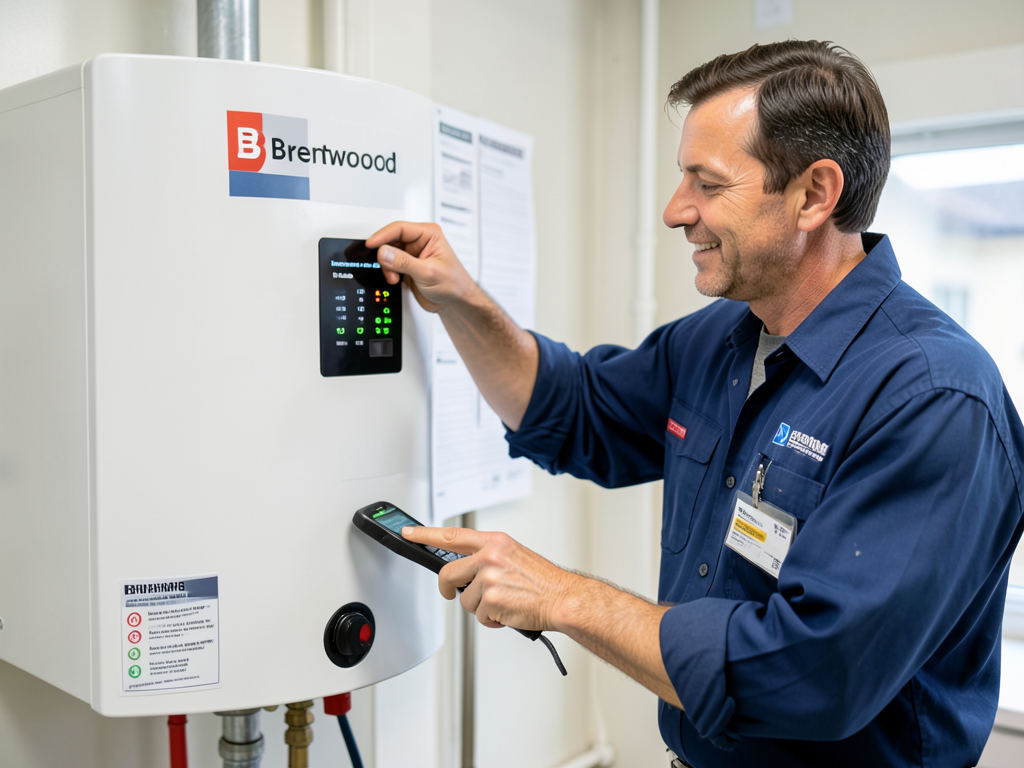
A proper plumbing system inspection guide covers every water-using component and connection point in your home. Start with your water heater, the most failure-prone appliance in residential plumbing. Check the temperature and pressure relief valve by lifting the test lever. If water doesn't flow freely or the valve drips afterward, it needs replacement. Inspect the area around the base for rust stains or moisture, which signals a failing tank. Check the anode rod if you have access. This sacrificial component protects the tank from corrosion, but hard water consumes it faster than normal.

Move to your water supply system. Test water pressure at multiple fixtures using a pressure gauge. Nashville's municipal pressure typically runs 60-80 PSI, but homes with private wells or booster pumps can see dangerous spikes over 100 PSI that stress joints and fixtures. Look for corrosion on shut-off valves under sinks and toilets. These valves seize up from mineral deposits and fail when you need them during an emergency.

Inspect visible supply lines and drain pipes in your basement, crawl space, and under sinks. Look for green corrosion on copper pipes, white calcium buildup on connections, or moisture stains on the subfloor. Run water in every fixture and watch the drains. Slow drainage means partial blockages forming from hair, soap scum, or root intrusion in your main sewer line.

Check your sump pump if you have one. Pour water into the pit and verify the float switch activates and the pump discharges properly. Nashville's heavy spring rains overwhelm failing sump pumps every year, flooding basements that could have been protected.

Test your main water shut-off valve. You need to know it works before an emergency hits. Quarter-turn ball valves are more reliable than gate valves, which corrode and fail to close completely.

How to Execute Your Plumbing Maintenance Checklist

Plumbing Inspection Checklist for Nashville Homes – Catch Problems Before They Cost You Thousands
01

Visual Assessment Phase

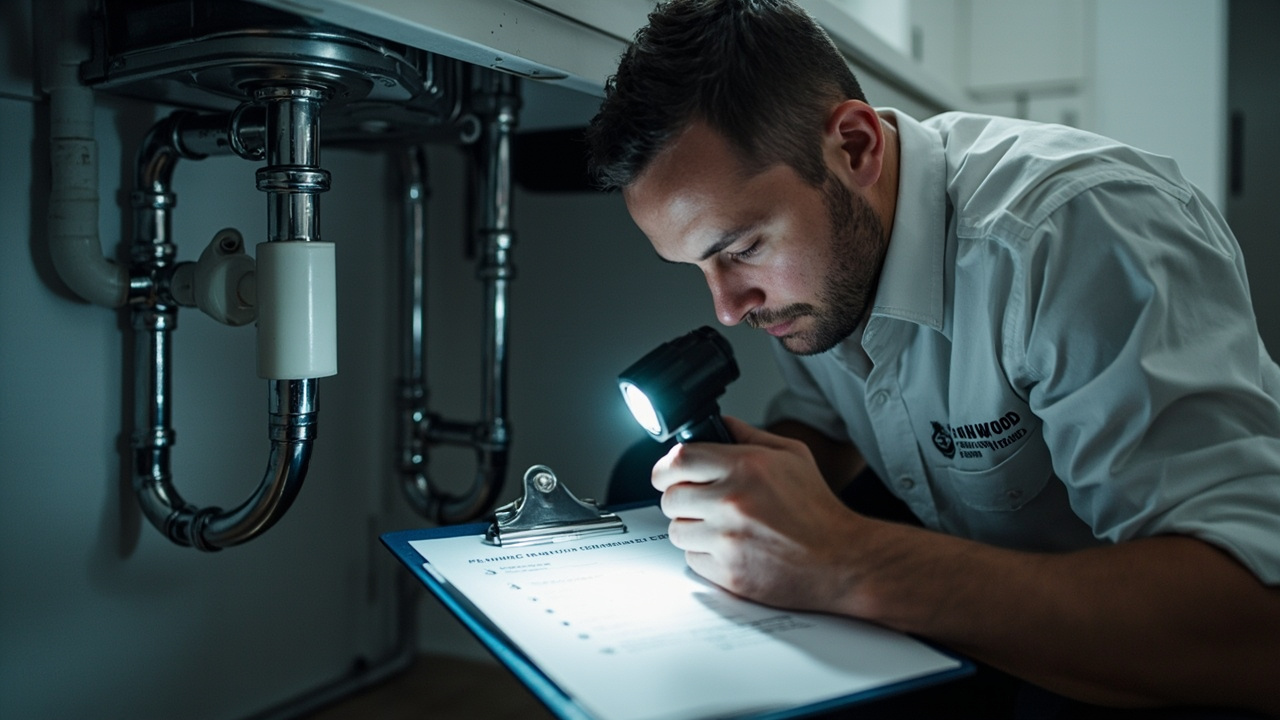
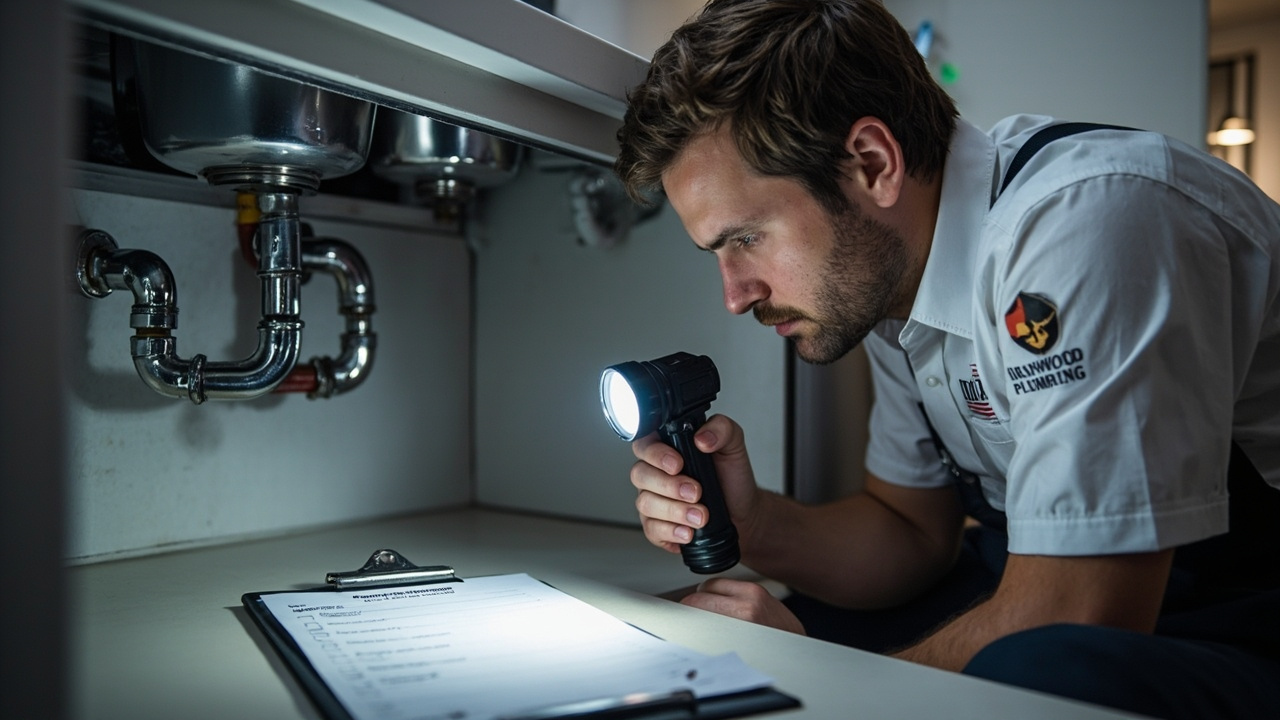
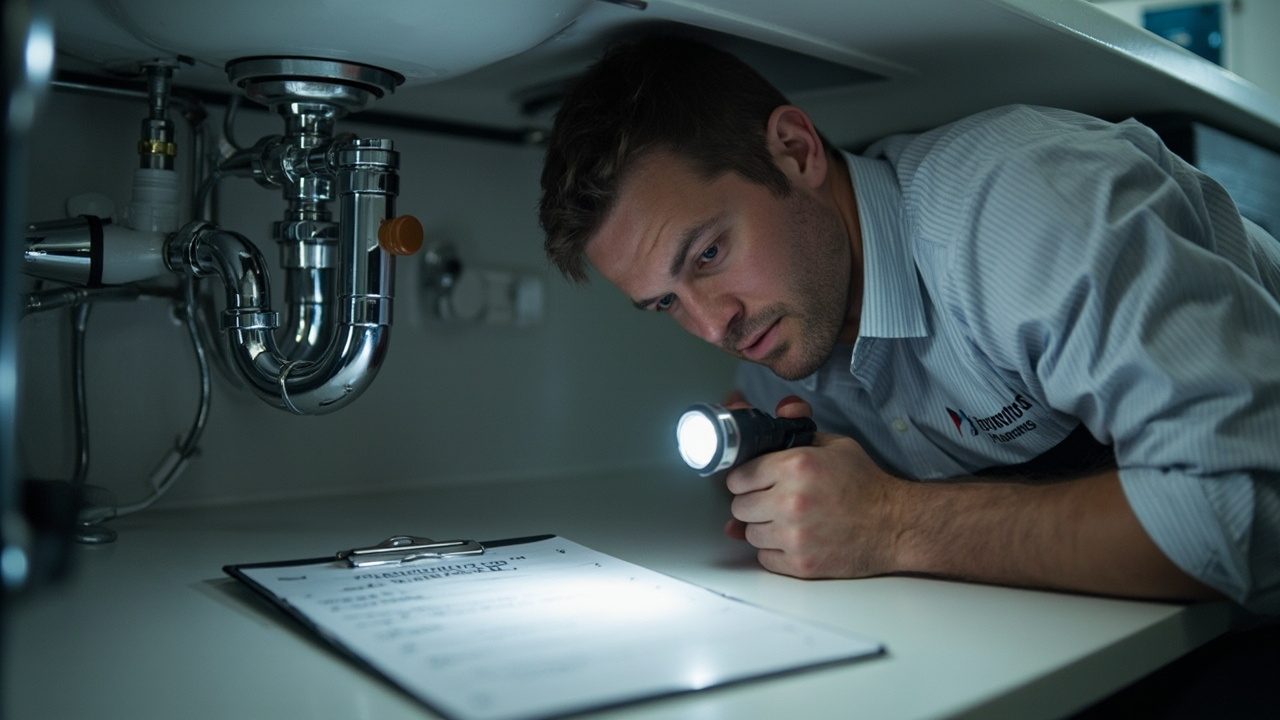
Start with a systematic walk-through of every water-using area in your home. Document what you see with photos. Look under every sink, behind every toilet, and in your mechanical room. Check exposed pipes in basements and crawl spaces for corrosion, leaks, or moisture stains. Inspect caulking around tubs and showers for gaps where water can penetrate walls. This initial survey identifies obvious problems and creates a baseline for future inspections.
02

Functional Testing Phase

Test every component that moves or controls water flow. Flush toilets and listen for refill issues or running water. Turn faucets on full and check for leaks at the base and supply connections. Operate your water heater's temperature and pressure relief valve. Run your garbage disposal and dishwasher through complete cycles. Test your washing machine's supply hoses and drain connection. This phase reveals failures that only appear during operation, like failing washers, corroded valve seats, or weakened hose connections.
03

Documentation and Planning

Record your findings with dates, locations, and severity ratings. Create a prioritized action list that separates immediate repairs from future maintenance. Note the installation dates of major components like your water heater, sump pump, and main shut-off valve so you can plan replacements before they fail. Update your home maintenance file with photos and notes. This documentation becomes invaluable when you need to explain problems to a plumber or track recurring issues over time.

Why Local Expertise Matters for Nashville Plumbing Inspections

Nashville's plumbing challenges require local knowledge. The hard water flowing through Davidson County's system has a mineral content that accelerates wear on fixtures and appliances. A plumber from out of state might miss the telltale signs of mineral buildup that Nashville homeowners deal with constantly. The white crust around faucet aerators, the reduced water flow from clogged showerheads, and the premature failure of water heater elements are all directly tied to our local water chemistry.

The limestone bedrock underlying much of Nashville creates unique foundation movement patterns. Homes in areas like East Nashville, Germantown, and the Gulch often experience minor settling that stresses plumbing connections. A local plumber recognizes the stress cracks in copper joints and knows which neighborhoods are most susceptible to foundation-related plumbing issues.

Nashville's building codes have evolved over the decades, and older homes in historic neighborhoods like Sylvan Park or Belmont-Hillsboro were built to different standards. Some still have galvanized steel pipes that are corroding from the inside out. Others have cast iron drain lines that are failing after 70 years of service. Local plumbers understand the typical plumbing configurations in homes from different eras and know where problems are most likely to develop.

The seasonal weather extremes also require local awareness. The winter freeze events that hit Nashville every few years cause pipe bursts in predictable locations - exterior hose bibs, pipes in unheated crawl spaces, and supply lines in exterior walls. A plumber familiar with Nashville winters knows where to look for freeze damage and how to prevent it.

Commercial properties face additional challenges with Nashville's rapid growth. The aging infrastructure in downtown buildings, combined with increased demand, creates pressure fluctuations and water quality issues that require specialized knowledge to diagnose and correct.

What Your Plumbing Inspection Covers

Inspection Scheduling and Frequency

Schedule your residential plumbing checkup list twice per year, ideally in spring and fall. Spring inspections catch winter freeze damage and prepare your system for heavy summer use. Fall inspections identify problems before winter stress hits. New homeowners should complete a full inspection within the first month of ownership to establish a baseline and catch problems the home inspector might have missed. Older homes benefit from more frequent inspections, particularly if original fixtures and pipes remain in service. Properties with well water or septic systems require additional inspection points beyond standard municipal plumbing.

Critical Components to Inspect

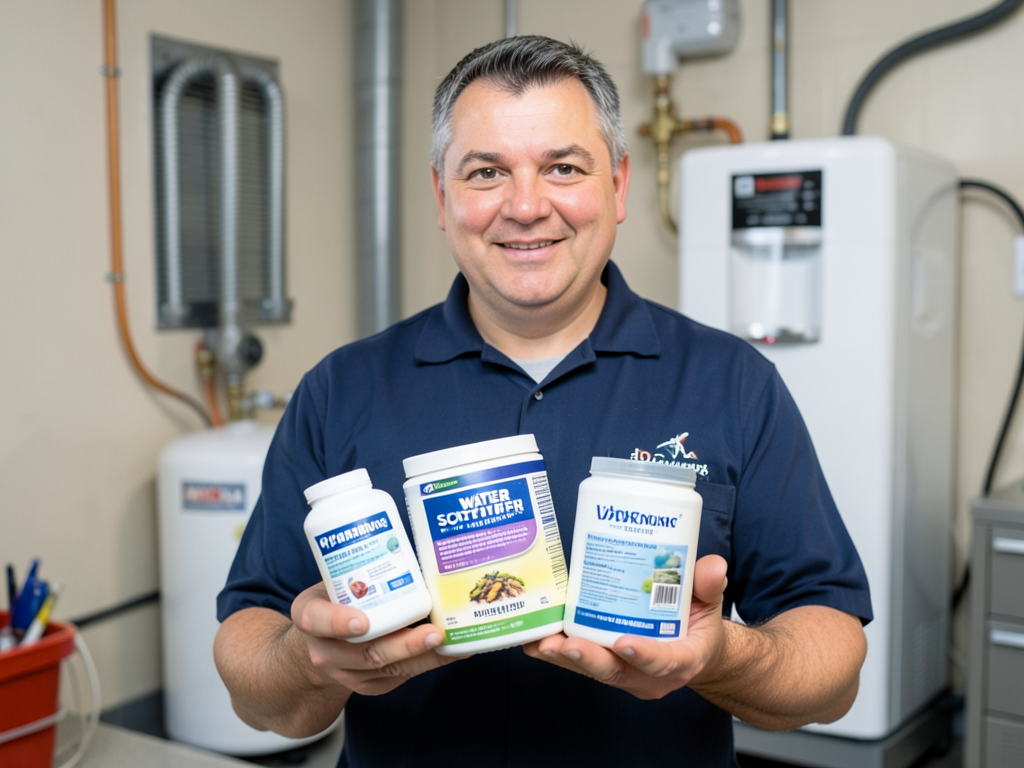
Your plumbing maintenance checklist must cover water heaters, supply lines, drain systems, fixtures, and shut-off valves. Water heaters require annual flushing to remove sediment buildup, especially in hard water areas. Check the anode rod every three years and replace it when more than six inches of core wire is exposed. Inspect all visible supply lines for corrosion, leaks, or damage. Test shut-off valves under sinks and toilets to confirm they operate smoothly. Examine drain systems for slow drainage, foul odors, or gurgling sounds that indicate partial blockages. Check outdoor components including hose bibs, sprinkler systems, and main water service lines where they enter your home.

Professional vs DIY Inspection

Homeowners can complete basic visual inspections and functional tests using a standard checklist. You can check for leaks, test drains, and inspect accessible pipes without special tools. However, a professional inspection provides value through experience, specialized equipment, and access to hidden areas. Plumbers use video cameras to inspect inside drain lines and sewer pipes. They have pressure testing equipment that reveals small leaks before they cause visible damage. They recognize subtle signs of problems that homeowners miss, like the slight discoloration that indicates a slow leak inside a wall or the specific sound pattern that means a water heater is failing.

Follow-Up and Maintenance Planning

A good inspection creates a roadmap for future maintenance and repairs. Prioritize issues by urgency and cost. Active leaks require immediate attention. Components near the end of their service life need budget planning for replacement. Minor issues like dripping faucets or running toilets waste water and money but rarely cause structural damage. Create a maintenance schedule based on your inspection findings. Replace water heater anode rods on schedule. Flush your water heater annually. Test your sump pump every spring. Replace washing machine hoses every five years regardless of appearance, as they fail without warning.

Frequently Asked Questions

You Have Questions,
We Have Answers

What does a plumbing inspection consist of? +

A plumbing inspection examines your entire water supply and drainage system. The plumber checks visible pipes for leaks, corrosion, and proper slope. They test water pressure at multiple fixtures and inspect shut-off valves for function. The water heater gets checked for age, sediment buildup, and safety valve operation. Drains are tested for flow and proper venting. In Nashville homes, inspectors pay close attention to galvanized pipes common in older properties and sump pumps in areas prone to basement moisture. The inspection also covers fixture connections, exposed piping in crawl spaces, and main line access points.

What are the 5 main items you should inspect for at a drain detail? +

At a drain detail, inspect five critical elements. First, check the trap for proper water seal and no debris buildup. Second, examine the drain assembly for cracks or loose connections where leaks start. Third, verify proper slope on horizontal drain lines so water flows correctly. Fourth, inspect the vent connection because improper venting causes slow drainage and gurgling. Fifth, look for corrosion or mineral deposits inside drain lines using a camera when needed. Nashville's hard water accelerates buildup in drains. These five points prevent backups and maintain proper drainage throughout your system.

What should be included in the inspection checklist? +

A complete plumbing inspection checklist covers water supply lines, drain lines, water heater, fixtures, and main connections. Include checks for visible leaks, water pressure testing, drain flow rates, and pipe material condition. Document valve operations, water heater age and settings, sump pump function if present, and outdoor hose bibs. Nashville properties need special attention to crawl space piping, freeze-protected exterior fixtures, and proper insulation. Check toilet seals, faucet aerators, garbage disposal function, and washing machine connections. The checklist should note code violations, safety hazards, and maintenance recommendations with priority levels for each finding.

How much does it cost to have a plumbing inspection? +

Plumbing inspections in Nashville typically range based on property size and scope. A basic inspection for a standard home takes one to two hours. Prices vary depending on whether you need camera inspections of sewer lines, water quality testing, or specialty equipment. Older Nashville homes with galvanized pipes or properties in historic districts may require more time. Commercial properties cost more due to complexity. Many plumbers offer inspection services as part of maintenance agreements or bundle them with other services. Get quotes from licensed plumbers and ask what the inspection includes before scheduling.

What is the biggest red flag in a home inspection? +

The biggest red flag is evidence of active water damage or past water intrusion. Stains on ceilings, warped floors, or soft drywall signal ongoing leaks that cause mold and structural damage. In Nashville homes, watch for foundation cracks paired with plumbing issues because clay soil movement stresses underground pipes. A failing sewer line or main water line break represents expensive repairs. Multiple amateur repairs using mismatched materials indicate deeper problems. Water heaters past their lifespan or showing rust and corrosion pose flood risks. These issues require immediate attention and professional evaluation before they worsen.

How long do plumbing inspections take? +

A standard residential plumbing inspection takes one to two hours for an average-sized Nashville home. Larger properties or homes with multiple bathrooms need more time. If you add a camera inspection of your sewer line, expect another 30 to 60 minutes. Older homes with crawl space access or properties with well systems take longer to inspect thoroughly. Commercial buildings require several hours depending on size and complexity. The plumber needs access to all plumbing fixtures, the water heater location, crawl spaces, and exterior connections. Schedule enough time for the inspector to work methodically through every system component.

What would make a house fail a home inspection? +

A house fails inspection when critical safety or code violations exist. Major issues include active sewer leaks, contaminated water supply, non-functioning water heater safety valves, or cross-connections between potable and non-potable water. Missing or improper venting causes dangerous sewer gas buildup. In Nashville, older homes often have outdated galvanized pipes, missing expansion tanks, or improper drainage that fails current codes. Significant water damage, foundation undermining from leaks, or DIY work without permits can fail inspection. Failed backflow preventers or improper fixture installations also stop approval until corrected by a licensed plumber.

What is a 7 point inspection? +

A seven point inspection typically refers to a focused evaluation of key plumbing components rather than a comprehensive system review. The seven points usually include water heater condition, visible pipe integrity, drain function, water pressure, fixture operation, shut-off valve accessibility, and signs of leaks or water damage. This abbreviated inspection helps buyers or homeowners identify major issues quickly without the time and cost of a full inspection. In Nashville real estate transactions, seven point inspections offer a middle ground between basic walkthroughs and detailed evaluations, focusing on components most likely to need immediate attention or repair.

How much does a drain inspection cost? +

Drain camera inspections in Nashville cost based on line length and access difficulty. A basic camera inspection of a main sewer line from cleanout to street connection takes 30 to 60 minutes. Longer runs, multiple branch lines, or difficult access points increase the price. Some plumbers include camera inspection with drain cleaning services when blockages occur. The camera reveals root intrusion, pipe bellies, cracks, offset joints, and buildup that explain chronic drainage problems. Nashville's mature trees and clay soil make camera inspections valuable for older properties. Request a recording or report documenting findings for future reference.

What does a full inspection include? +

A full plumbing inspection covers every component of your water supply and drainage systems. The inspector examines all visible piping, tests every fixture for leaks and proper drainage, and evaluates the water heater for safety and efficiency. Shut-off valves get tested, water pressure gets measured at multiple points, and drain lines get checked for proper slope and venting. The inspection includes crawl spaces, attics where pipes run, exterior hose bibs, and main line connections. Nashville homes also need sump pump testing where applicable and foundation plumbing checks. You receive a detailed report noting defects, safety concerns, and maintenance recommendations.

How Nashville's Hard Water and Humidity Impact Your Plumbing System

Nashville's water supply contains high levels of dissolved limestone, giving it a hardness rating that causes accelerated wear on plumbing components. The calcium and magnesium in hard water create scale buildup inside pipes, reducing water flow and pressure over time. Water heaters in Davidson County typically fail two to three years earlier than national averages because mineral deposits accumulate on heating elements and tank interiors. The humid climate compounds these problems by promoting corrosion on exposed metal components. Fixtures in bathrooms without proper ventilation show rust and mineral staining within months of installation. A preventative plumbing maintenance checklist that accounts for these local conditions catches problems before they require expensive replacements.

Nashville's rapid growth over the past decade has stressed aging municipal infrastructure in established neighborhoods. Homes built before 1990 often have plumbing systems designed for different water pressure and usage patterns than we see today. The combination of older pipes, increased demand, and hard water creates a perfect environment for failures. Local plumbers who understand Nashville's specific challenges know which components fail first, which neighborhoods have the most infrastructure issues, and how to adapt repair strategies to our unique conditions. Choosing a plumber with Nashville experience means getting someone who has seen your exact problem hundreds of times before and knows the most effective solution.
Plumbing Services in The Nashville Area

Looking for expert plumbing services near you? Ironwood Plumbing Nashville proudly serves homeowners and businesses throughout the greater Nashville area with professional plumbing repairs, water heater installation, leak detection, and emergency plumbing services. From Brentwood to Hendersonville, our licensed plumbers are ready to respond quickly and efficiently. Use the map below to explore our coverage areas and discover fast, reliable plumbing help right around the corner.

Address:
IronwoodPlumbingNashville, 3102 West End Ave Suite 400, American Center, Nashville, TN, 37203

Additional Services We Offer

Our news updates

Latest Articles & News from The Blogs

Lorem ipsum dolor sit amet. Aut expedita quaerat quo eligendi numquam et laudantium perspiciatis qui minima expedita rem consequatur ducimus.…

Test Blog 4

Lorem ipsum dolor sit amet. Aut expedita quaerat quo eligendi numquam et laudantium perspiciatis qui minima expedita rem consequatur ducimus.…

Test Blog 3

Lorem ipsum dolor sit amet. Aut expedita quaerat quo eligendi numquam et laudantium perspiciatis qui minima expedita rem consequatur ducimus.…

Test Blog 2

Lorem ipsum dolor sit amet. Aut expedita quaerat quo eligendi numquam et laudantium perspiciatis qui minima expedita rem consequatur ducimus.…

Contact Us

Stop wondering what's happening behind your walls. Call Ironwood Plumbing Nashville at (615) 413-8833 for a comprehensive plumbing system inspection. We provide detailed reports with photos, prioritized recommendations, and transparent pricing. Same-day service available throughout the Nashville metro area.