





Menu

Understanding Backflow Testing in Nashville – Protect Your Water Supply with Expert Compliance and Safety Solutions

Get clarity on backflow prevention assembly testing requirements, inspection procedures, and annual certification processes that keep Nashville's water supply safe and your property compliant with Metro Water Services regulations.

Slider Image 1
Slider Image 2
Slider Image 3
Slider Image 4
Slider Image 5
Slider Image 7
Slider Image 8
Slider Image 9
Slider Image 10
Slider Image 11

Why Backflow Testing Matters for Nashville Properties

Nashville property owners face strict water safety regulations that require annual backflow certification for commercial buildings, irrigation systems, and many residential properties. Backflow occurs when contaminated water flows backward into the clean water supply, creating serious health hazards for you, your tenants, and the broader community.

Metro Water Services mandates backflow preventer inspection for any property with cross-connections between potable water and potential contamination sources. This includes fire sprinkler systems, commercial kitchens, lawn irrigation systems, car washes, medical facilities, and industrial properties. The Cumberland River watershed and Nashville's municipal water system depend on every property owner maintaining proper backflow prevention.

Tennessee's variable climate compounds the issue. Winter freeze-thaw cycles can damage backflow prevention assemblies, while summer heat causes expansion and seal degradation. Properties in older Nashville neighborhoods like Germantown and East Nashville often have aging backflow devices that fail water backflow testing requirements without warning.

You cannot see backflow contamination. The first sign of a problem might be a citation from Metro Water Services or a failed inspection that shuts down your business operations. Understanding backflow device testing procedures helps you avoid penalties, protect public health, and maintain uninterrupted water service.

The stakes are high. Failed backflow prevention assembly testing can result in fines, mandatory shut-offs, and liability for contamination incidents. Nashville's commercial district growth and aging residential infrastructure make professional backflow testing more critical than ever. You need accurate information about what testing involves, when you need it, and how to stay compliant.

Why Backflow Testing Matters for Nashville Properties
How Professional Backflow Testing Actually Works

How Professional Backflow Testing Actually Works

Backflow preventer inspection follows strict protocols established by the American Water Works Association and Tennessee Department of Environment and Conservation. A certified backflow tester uses calibrated differential pressure gauges to measure the performance of check valves, relief valves, and air inlet valves within your assembly.

The process starts with shutting off downstream water flow and attaching test equipment to the backflow device test cocks. The technician measures pressure differentials at specific points to verify each component functions within acceptable ranges. For reduced pressure zone assemblies, the relief valve must open at precise pressure drops. For double check valves, both checks must hold against reverse flow.

Water backflow testing requirements demand annual certification, but many Nashville properties need testing twice yearly depending on hazard classification. High-hazard facilities like hospitals, chemical plants, and wastewater treatment connections require more frequent verification. Your backflow device classification determines your testing schedule.

Testing identifies worn seals, debris accumulation, and valve seat damage before complete failure occurs. A backflow prevention assembly that passes testing today protects your water supply tomorrow. Failed tests require immediate repair or replacement, followed by re-testing to verify proper function.

Ironwood Plumbing Nashville uses factory-calibrated test kits certified by the University of Southern California Foundation for Cross-Connection Control. We document every test with detailed reports showing pressure readings, valve performance, and pass/fail status. You receive official certification forms filed directly with Metro Water Services, keeping your property compliant without additional paperwork on your end.

The difference between compliant and non-compliant properties often comes down to using testers who understand Nashville's specific reporting requirements and can diagnose problems accurately the first time.

What Happens During Your Backflow Test Appointment

Understanding Backflow Testing in Nashville – Protect Your Water Supply with Expert Compliance and Safety Solutions
01

Initial Device Assessment

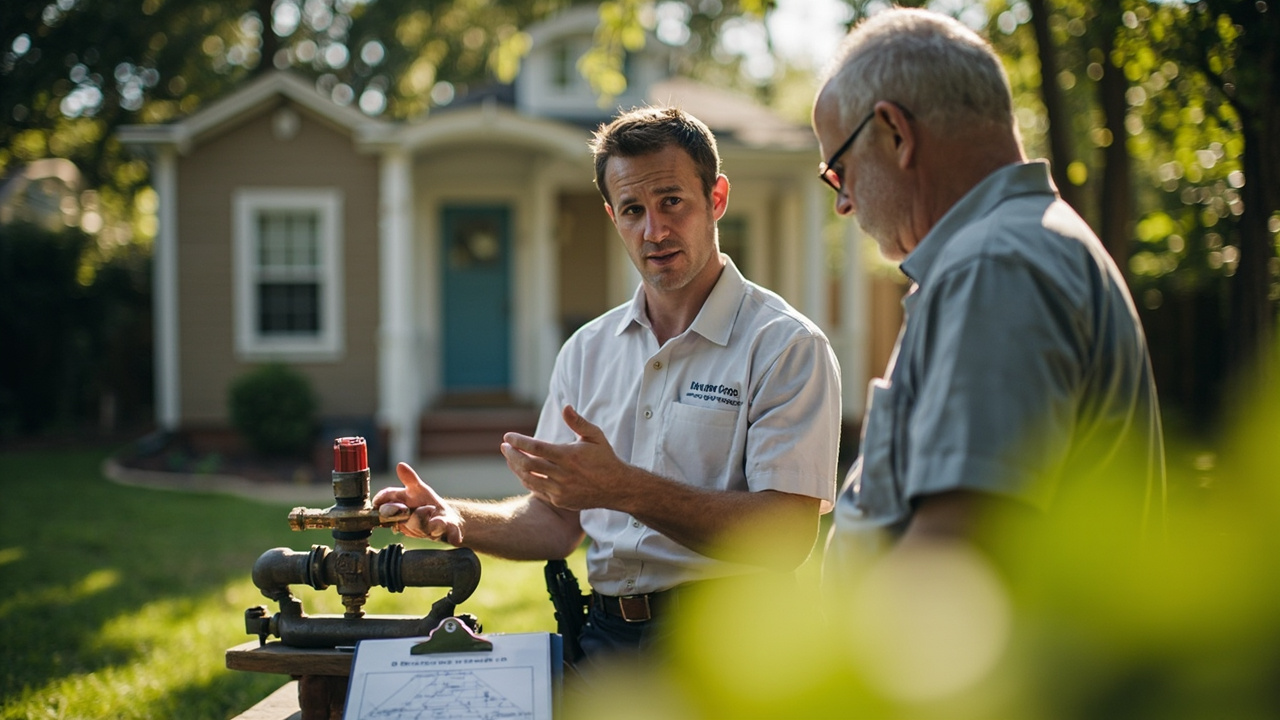
The technician locates your backflow prevention assembly, verifies the manufacturer and model, and checks for visible damage or leaks. We photograph the device serial number and confirm the assembly type matches Metro Water Services records. This preliminary inspection catches obvious issues before formal testing begins, saving time if repairs are needed.
02

Pressure Testing Sequence

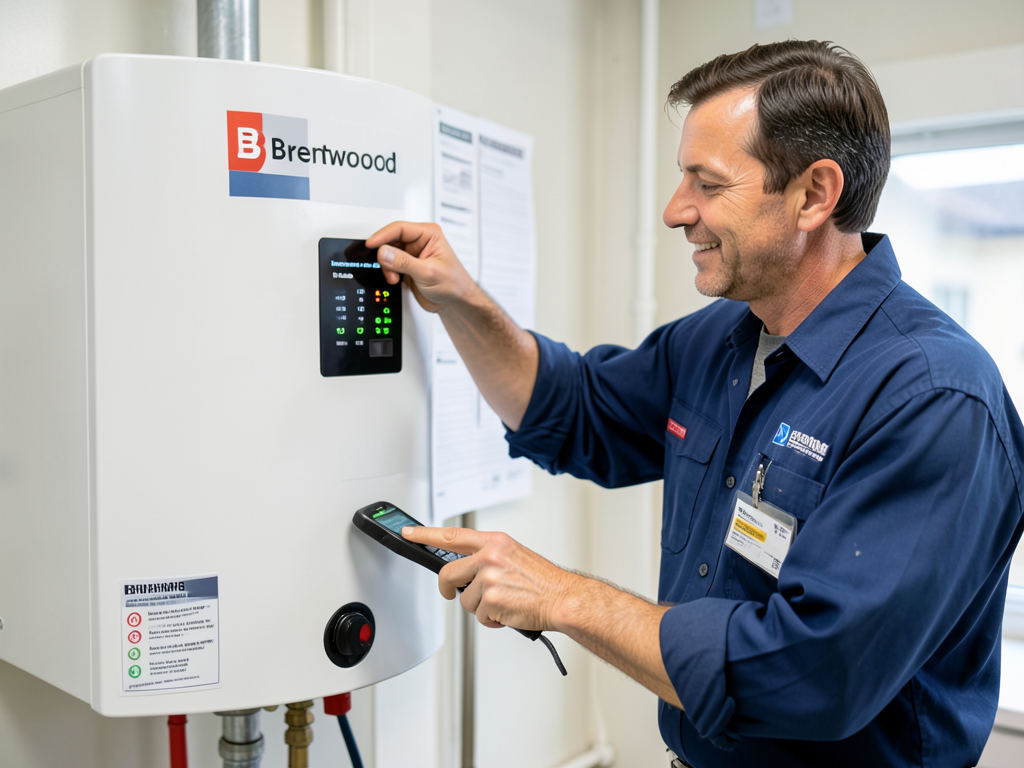
Using calibrated differential pressure gauges, we test each valve component according to manufacturer specifications and AWWA standards. The process measures check valve tightness, relief valve opening point, and air inlet valve operation. Each measurement is recorded on official test forms. Testing takes 20-45 minutes depending on assembly complexity and accessibility.
03

Certification and Reporting

You receive a completed test report showing all pressure readings and pass/fail status. Passing assemblies get immediate certification filed with Metro Water Services electronically. Failed devices receive a detailed explanation of required repairs. We provide repair estimates on-site and can schedule same-day service to get you compliant quickly without multiple appointments.

Why Nashville Property Owners Choose Certified Local Backflow Testers

Metro Water Services maintains a registry of approved backflow testers, but not all certified testers understand Nashville's unique infrastructure challenges. Properties built before 1990 often have backflow devices that no longer meet current code requirements. Testers unfamiliar with Nashville's building history might miss compliance gaps that create future liability.

Davidson County's water pressure zones vary significantly across neighborhoods. The pressure differentials between zones affect backflow device performance. Green Hills properties face different testing considerations than East Nashville buildings due to elevation changes and supply line configurations. Local experience matters when interpreting test results and recommending appropriate assemblies.

Tennessee's backflow testing regulations require state certification, but annual recertification and continuing education separate competent testers from those simply holding credentials. The plumbing code updates regularly, and cross-connection control standards evolve as new contamination risks emerge. You need testers who stay current with regulatory changes affecting Nashville properties.

Ironwood Plumbing Nashville specializes in both testing and repair, eliminating the coordination headaches when devices fail inspection. Many testing-only services hand you a failed report and leave you to find a repair contractor. We provide immediate solutions with replacement parts on our trucks, getting you compliant in one visit instead of waiting days for parts and scheduling separate repair appointments.

Our technicians understand Metro Water Services reporting systems and maintain direct filing relationships that ensure your certification reaches the right department without delays. We track your testing schedule and send annual reminders before your certification expires, preventing lapses that trigger violation notices.

Nashville's commercial property managers appreciate our ability to test multiple locations across the metro area on coordinated schedules. We understand the documentation requirements for property management companies and HOAs that need centralized compliance records.

What to Expect from Professional Backflow Testing Service

Same-Day Scheduling and Fast Turnaround

Most Nashville properties get next-day or same-day testing appointments. We schedule morning or afternoon windows to minimize disruption to business operations. Testing takes 30-60 minutes for single assemblies, with immediate results. If your device passes, certification filing happens within 24 hours. Failed devices receive repair estimates on-site. We carry common replacement parts and can often complete repairs the same day, followed by re-testing to verify compliance. You walk away knowing your exact status and timeline for certification.

Thorough Device Evaluation and Documentation

Every test includes visual inspection for corrosion, leaks, and physical damage that compromise assembly integrity. We verify proper installation orientation, adequate clearances, and drainage provisions required by code. Test reports document manufacturer information, serial numbers, test date, pressure readings for each valve component, and overall pass/fail determination. You receive copies of all documentation for your records. Commercial properties get detailed reports suitable for audits and compliance verification. We photograph assemblies and test results when requested, providing visual evidence of device condition and testing completion.

Accurate Testing and Reliable Results

Our test equipment undergoes annual calibration certification to maintain accuracy within required tolerances. Certified backflow testers follow standardized procedures that eliminate subjective judgment. You get objective measurements that reflect true device performance. Passing assemblies genuinely protect your water supply. Failed assemblies receive clear explanations of which components failed and why. We never pass borderline devices to avoid callbacks. Our testing standards protect you from liability and ensure genuine compliance. The certification you receive reflects actual device performance verified by calibrated equipment and experienced technicians.

Annual Testing Reminders and Compliance Tracking

We maintain customer files with testing history, device information, and certification expiration dates. You receive reminder notices 30 days before your annual testing deadline. Commercial properties with multiple locations get consolidated reporting and coordinated scheduling across all sites. We track Metro Water Services regulation changes that affect your testing requirements and notify you of any compliance updates. Multi-year customers receive priority scheduling during peak testing seasons. Our tracking system prevents lapses in certification that trigger violation notices and potential fines. You focus on running your business while we manage your backflow compliance calendar.

Frequently Asked Questions

You Have Questions,
We Have Answers

How does backflow testing work? +

A certified tester isolates your backflow preventer from the water supply and uses a test kit with gauges to measure pressure differentials. They check each internal component: the check valves, relief valve, and air inlet valve. The tester simulates backpressure and backsiphonage conditions to confirm the device stops reverse water flow. If the preventer fails at any checkpoint, it needs repair or replacement. After testing, you receive a report documenting the results. Nashville Metro Water Services requires annual testing on all backflow devices to protect the municipal water supply from contamination.

Can I do backflow testing myself? +

No. Tennessee law requires a state-certified backflow prevention assembly tester to perform annual testing. You need specialized gauge equipment, technical training, and certification to conduct valid tests. DIY testing voids compliance with Nashville Metro Water Services requirements. Only certified testers can submit the official test reports to the water department. Attempting your own test means you still need to hire a professional for compliance. Improper testing risks contamination of your water supply and the public system. Save time and meet legal requirements by hiring a certified tester from the start.

What are the basics of backflow preventer? +

A backflow preventer is a mechanical valve assembly installed in your plumbing to stop contaminated water from reversing direction into the clean water supply. It uses check valves, springs, and relief valves to create a physical barrier. When pressure drops in the main line or increases on your property side, the device activates to prevent backward flow. Nashville properties with irrigation systems, fire sprinklers, or commercial processes need backflow preventers. The device protects both your water and the municipal system. Annual testing confirms all internal components function correctly.

Do all plumbers do backflow testing? +

No. Backflow testing requires state certification separate from a standard plumbing license. Many plumbers hold both credentials, but not all. You need a Tennessee-certified backflow prevention assembly tester to perform compliant testing in Nashville. Some plumbing companies employ certified testers on staff, while others focus only on installation and repairs. Always verify certification before hiring. Metro Water Services maintains a list of approved testers. Ask for proof of current certification. A general plumber without backflow credentials cannot legally test your device or submit compliance paperwork.

Is backflow testing hard? +

Testing requires technical knowledge and precision, but certified professionals make it straightforward. The process involves specific steps to measure pressure differentials and valve function. You need to understand hydraulics, interpret gauge readings, and diagnose component failures. The state certification course covers theory and hands-on practice. For property owners, you do not need to worry about complexity. Certified testers handle the technical work. The test itself takes 20 to 45 minutes depending on device type. Annual testing keeps your property compliant with Nashville water regulations without hassle.

What is the difference between PVB and RPZ? +

PVB stands for Pressure Vacuum Breaker. RPZ means Reduced Pressure Zone assembly. A PVB is simpler and less expensive, used for low-hazard applications like residential irrigation. It must be installed above ground and cannot handle backpressure. An RPZ is more complex with two check valves and a relief valve between them. RPZ devices protect against high-hazard contamination and work in backpressure conditions. Nashville commercial properties and fire suppression systems typically need RPZ assemblies. PVBs suit basic lawn sprinkler systems. Your application determines which device Metro Water Services requires.

Is backflow testing really necessary? +

Yes. Backflow testing protects your drinking water and the public water supply from contamination. Without functioning backflow preventers, fertilizers, chemicals, or sewage could reverse into clean water lines. Nashville Metro Water Services mandates annual testing to verify devices work correctly. Internal components wear out over time. Springs weaken, seals degrade, and check valves stick. A failed device offers zero protection. Tennessee state law enforces testing requirements. Non-compliance can result in water service disconnection. Annual testing is a small investment to prevent serious health hazards and regulatory penalties.

How many questions are on the backflow test? +

This question refers to the state certification exam for becoming a backflow tester, not annual device testing. The Tennessee backflow prevention assembly tester exam includes multiple-choice questions covering hydraulics, device mechanics, testing procedures, and cross-connection control. The exact number of questions varies by exam version. If you are a property owner, you do not take this exam. Certified testers complete it to earn credentials. For your annual compliance testing, the tester conducts physical checks on your device and documents results. You simply review and keep the report.

How much to charge to test a backflow? +

Testing costs in Nashville typically range based on device type, accessibility, and property location. Factors include the complexity of the assembly (RPZ versus PVB), travel distance, and whether repairs are needed. Most residential tests cost less than commercial high-hazard devices. Prices cover labor, certification credentials, insurance, equipment calibration, and report filing with Metro Water Services. Request quotes from multiple certified testers. Avoid choosing solely on price. Certification, reliability, and proper reporting matter more. Low-cost testers may skip steps or provide incomplete documentation, creating compliance problems later.

What are the four types of backflow preventers? +

The four main types are Atmospheric Vacuum Breaker (AVB), Pressure Vacuum Breaker (PVB), Double Check Valve Assembly (DCVA), and Reduced Pressure Zone Assembly (RPZ). AVBs are the simplest, used on hose bibs. PVBs protect irrigation systems and must install above ground. DCVAs suit low-hazard applications with two check valves. RPZ assemblies offer the highest protection for hazardous conditions with two checks and a relief valve. Nashville properties use different types based on contamination risk. Metro Water Services specifies which device your application requires based on local codes.

How Nashville's Water System Infrastructure Affects Backflow Testing Requirements

Nashville's water supply comes from the Cumberland River through two treatment plants serving different pressure zones across Davidson County. The K.R. Harrington Water Treatment Plant and Omohundro Water Treatment Plant create varying system pressures that affect backflow device performance. Properties in higher elevation areas like West Meade and Belle Meade experience lower line pressure, which changes the operating characteristics of backflow prevention assemblies. Downtown Nashville's dense commercial district sees higher water demand fluctuations that can create temporary negative pressure events if backflow devices fail. Metro Water Services requires specific assembly types based on hazard classification and location within the distribution system.

Tennessee's cross-connection control regulations give Metro Water Services authority to mandate backflow prevention and testing schedules for Nashville properties. The city's rapid growth and aging infrastructure in established neighborhoods create unique compliance challenges. Historic districts like Germantown require careful coordination when upgrading backflow assemblies to meet current code without disrupting historic building features. Ironwood Plumbing Nashville works directly with Metro Water Services and understands local permitting requirements for backflow device installation and replacement. Our technicians know which assembly types Nashville inspectors expect for different property classifications and can navigate the approval process efficiently.
Plumbing Services in The Nashville Area

Looking for expert plumbing services near you? Ironwood Plumbing Nashville proudly serves homeowners and businesses throughout the greater Nashville area with professional plumbing repairs, water heater installation, leak detection, and emergency plumbing services. From Brentwood to Hendersonville, our licensed plumbers are ready to respond quickly and efficiently. Use the map below to explore our coverage areas and discover fast, reliable plumbing help right around the corner.

Address:
IronwoodPlumbingNashville, 3102 West End Ave Suite 400, American Center, Nashville, TN, 37203

Additional Services We Offer

Our news updates

Latest Articles & News from The Blogs

Lorem ipsum dolor sit amet. Aut expedita quaerat quo eligendi numquam et laudantium perspiciatis qui minima expedita rem consequatur ducimus.…

Test Blog 4

Lorem ipsum dolor sit amet. Aut expedita quaerat quo eligendi numquam et laudantium perspiciatis qui minima expedita rem consequatur ducimus.…

Test Blog 3

Lorem ipsum dolor sit amet. Aut expedita quaerat quo eligendi numquam et laudantium perspiciatis qui minima expedita rem consequatur ducimus.…

Test Blog 2

Lorem ipsum dolor sit amet. Aut expedita quaerat quo eligendi numquam et laudantium perspiciatis qui minima expedita rem consequatur ducimus.…

Contact Us

Do not wait for a violation notice. Call (615) 413-8833 now to schedule certified backflow testing that keeps your property compliant and your water supply safe. Same-day appointments available for Nashville properties needing immediate certification.