






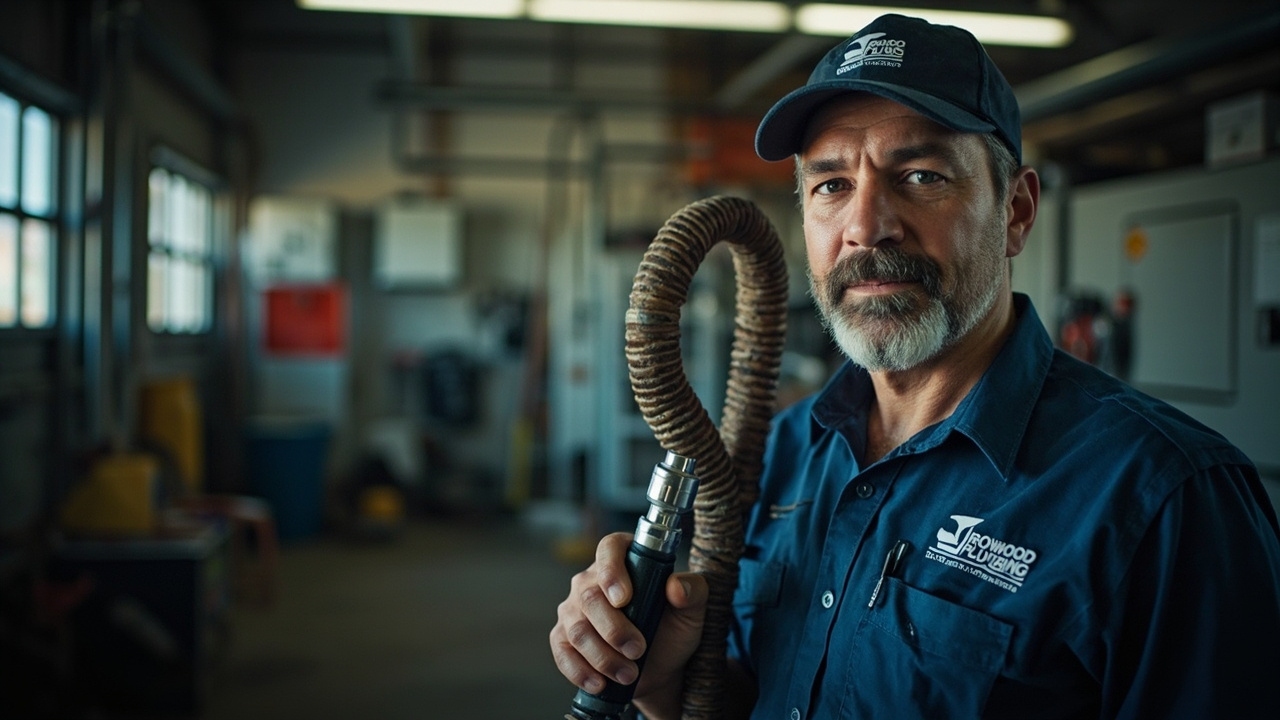

Nashville ranks among the top cities nationwide for urban tree coverage. The mature oaks, maples, and magnolias that make neighborhoods like Sylvan Park and Belmont-Hillsboro beautiful also send roots searching for water sources. These roots sense moisture vapor escaping from pipe joints and grow toward it. Once a root hair enters through a joint or crack, it expands into a mass that traps debris and causes backups. The Davidson County clay soil compounds the issue by shrinking during summer droughts and swelling during spring rains. This movement stresses older pipes, creating the small cracks and joint separations that give roots entry. The combination means Nashville properties face root intrusion at higher rates than cities with sandy soil or fewer trees. Hydro jetting removes existing root masses and delays regrowth longer than snaking alone.
Metro Nashville building codes require professional licensing for all drain work, but enforcement varies. Companies without deep Nashville roots may not understand local pipe history or soil conditions. We have cleared drains in Nashville for years and know which neighborhoods have cast iron that corrodes from inside, where Orangeburg pipe was common, and which subdivisions battle persistent root problems. This knowledge prevents the expensive mistakes that happen when technicians treat Nashville drains like they treat drains elsewhere. Our familiarity with local suppliers also means we get parts fast when repairs are necessary. You work with technicians who live in Nashville, know the neighborhoods, and have cleared hundreds of drain lines across Davidson County.