




Menu

How to Shut Off Main Water Valve in Nashville – Step-by-Step Guide for Homeowners

Learn exactly where to find your main water shut off valve and how to turn off your home's water supply quickly during plumbing emergencies in Nashville properties.

Slider Image 1
Slider Image 2
Slider Image 3
Slider Image 4
Slider Image 5
Slider Image 7
Slider Image 8
Slider Image 9
Slider Image 10
Slider Image 11

Why Every Nashville Homeowner Needs to Know How to Shut Off the Main Water Supply

Water damage happens fast. A burst pipe can release over 400 gallons per hour into your Nashville home. By the time you call for help, thousands of dollars in damage may already be done to your floors, walls, and belongings.

The main water shut off valve is your first line of defense. Turning off the house water main stops water flow immediately and limits damage while you wait for professional help. Most Nashville homeowners have never located their main valve or tested it to ensure it actually works.

Nashville's infrastructure varies widely by neighborhood. Homes in East Nashville and Germantown often have older galvanized pipes and corroded valves that can seize up when you need them most. Properties in newer developments like The Nations or Wedgewood-Houston typically have more accessible shut off points, but many residents still do not know their exact location.

Knowing how to close the main water shut off valve matters during several common scenarios. A leaking water heater, broken supply line under a sink, or frozen pipe rupture all require immediate water shutoff. You cannot wait for a plumber to arrive when water is actively flooding your property.

This guide walks you through locating your shut off valve, testing it safely, and executing a proper shutoff when you need to shut off water supply to home. We also cover what to do when valves fail and how to maintain your shutoff system so it functions when emergencies strike.

Why Every Nashville Homeowner Needs to Know How to Shut Off the Main Water Supply
Where to Find Your Main Water Shut Off Valve in Nashville Homes

Where to Find Your Main Water Shut Off Valve in Nashville Homes

Nashville homes have two potential shutoff points: the home shutoff valve and the meter shutoff valve. You need to know both locations.

The home shutoff valve sits where the main water line enters your house. In Nashville's older neighborhoods, this valve typically appears in the basement near the front wall facing the street. The pipe comes through the foundation and connects to a gate valve or ball valve within a few feet of entry. Homes built on crawl spaces may have the valve mounted on an interior wall in a utility closet or near the water heater.

For houses on concrete slabs, common in Nashville's suburban areas, the shutoff usually sits in the garage or a ground-level utility room. Look for a pipe emerging from the floor or coming through an exterior wall. The valve sits directly on this pipe before it branches to your fixtures.

The meter shutoff valve lives outside in your water meter box, typically buried in the front yard between the street and your house. You will need a meter key or adjustable wrench to access it. Metro Water Services owns this valve, but homeowners can operate it during emergencies.

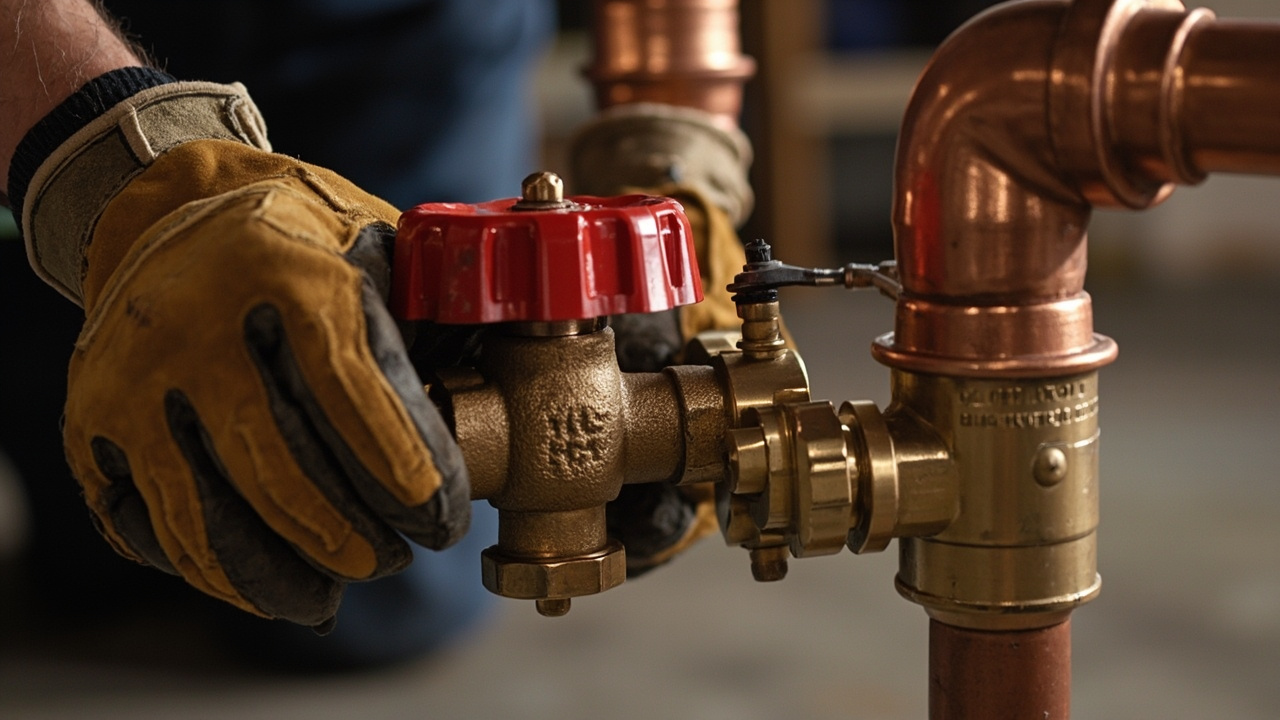
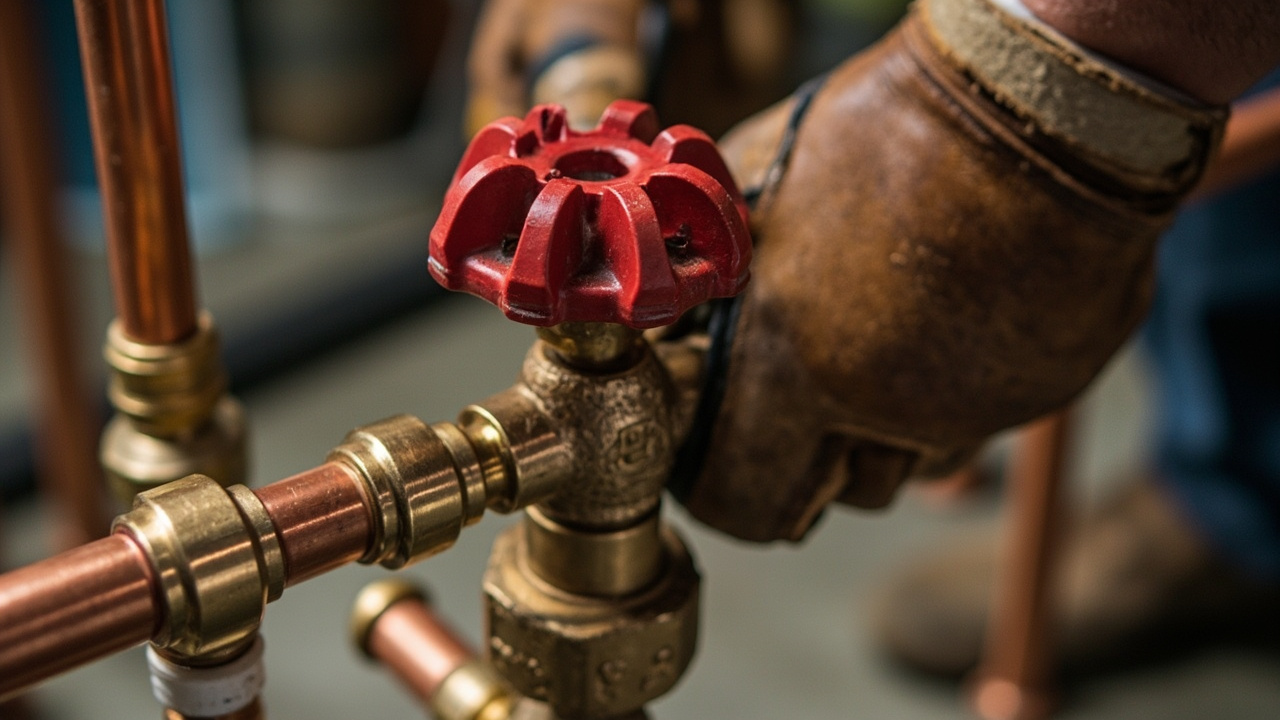
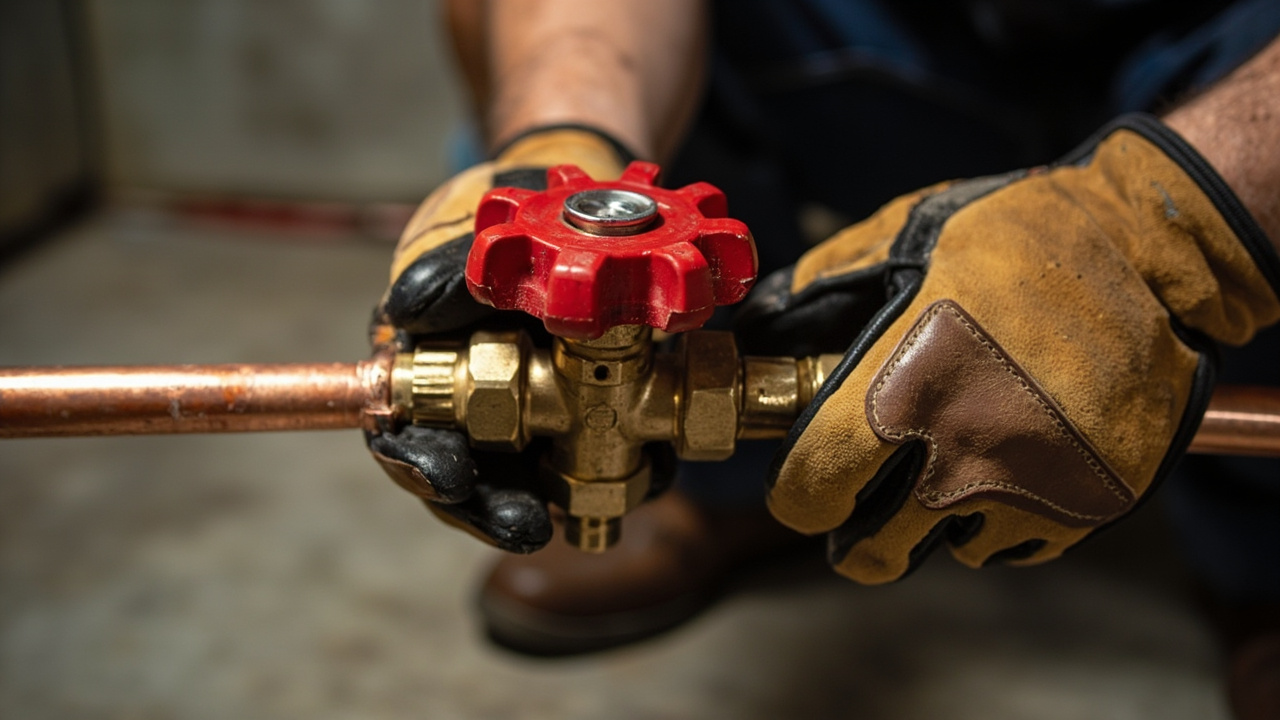
Ball valves have a lever handle that turns 90 degrees from open to closed. When the lever runs parallel to the pipe, water flows. Turn it perpendicular to stop flow. Gate valves have a round wheel that you rotate clockwise to close. These older valves require multiple turns and often develop leaks or corrosion that prevents complete shutoff.

Check your valve type now, before an emergency. Photograph its location and share the image with household members so everyone knows where to find it.

Three Steps to Safely Turn Off Water to the Whole House

How to Shut Off Main Water Valve in Nashville – Step-by-Step Guide for Homeowners
01

Locate and Clear Access

Find your main shutoff valve using the location guidelines above. Clear any stored items, debris, or obstacles blocking access to the valve. Test your ability to reach it comfortably and ensure you have adequate lighting in the area. If the valve sits in a meter box outside, remove the lid carefully and check for mud, water, or insects that might complicate access during an actual emergency.
02

Turn the Valve Clockwise

For gate valves, rotate the wheel clockwise until it stops turning. This may take several full rotations. Do not force it past the stopping point or you risk damaging the valve mechanism. For ball valves, turn the lever handle 90 degrees clockwise until it sits perpendicular to the pipe. The handle should move smoothly. If you encounter significant resistance, the valve may be corroded and require professional replacement.
03

Verify Complete Shutoff

Open a faucet on the lowest level of your home to confirm water flow has stopped. Any continuing flow indicates an incomplete shutoff or a malfunctioning valve. Check for leaks around the valve packing nut. Minor dripping from the valve stem is common in older gate valves but should not prevent effective shutoff. Document the valve condition and test it quarterly to maintain reliability when you need it most.

Common Problems with Main Water Valves in Nashville Properties

Not all shutoff valves work when you need them. Age, corrosion, and sediment cause frequent failures in Nashville homes.

Gate valves in homes older than 20 years often develop stem corrosion that prevents full closure. You turn the wheel, but water continues flowing because internal components have deteriorated. These valves also suffer from sediment buildup in the valve body. Minerals in Nashville's water supply accumulate over years and prevent the gate from seating properly against the valve opening.

Seized valves represent another critical problem. A valve that sits unused for years can fuse internally. When you try turning it during an emergency, the handle spins but nothing moves inside. Forcing a seized valve risks breaking the stem or cracking the valve body, which creates a new leak at the shutoff point.

Ironwood Plumbing Nashville regularly encounters valves that were installed incorrectly or have developed packing leaks. The packing nut secures the valve stem and prevents water from leaking around the handle. When this component fails, water sprays from the valve every time you attempt operation.

Properties served by older galvanized pipe face additional complications. Corrosion inside the pipes creates loose scale that breaks free when you close a valve. This debris can block the valve opening and prevent complete shutoff.

Testing your shutoff valve twice per year identifies these problems before emergencies occur. Close the valve completely, verify shutoff at your fixtures, then reopen it slowly. This exercise keeps internal components mobile and helps you discover failures while you still have time for repairs.

If your valve does not shut off water completely or shows signs of leaking during testing, replacement becomes necessary. Modern quarter-turn ball valves offer superior reliability and require minimal maintenance compared to older gate valve designs.

What to Do After Shutting Off Your Main Water Line

Drain the System Safely

After closing the main valve, open all faucets in your home to drain remaining water from the pipes. Start with fixtures on the highest level and work downward. This prevents vacuum formation and allows air to enter the system as water drains. Open both hot and cold sides of each faucet. Flush toilets to empty tank reservoirs. If you shut off water during freezing conditions, draining pipes prevents ice formation that can cause ruptures. Leave faucets open until you restore water service to prevent pressure buildup during system refill.

Call Professional Help Immediately

Shutting off your main water valve stops immediate damage but does not solve the underlying problem. Contact a licensed plumber right away to diagnose and repair the issue. Describe what you observed before shutoff including leak location, water color, flow rate, and any unusual sounds. This information helps technicians prepare appropriate tools and materials before arrival. For burst pipes, water heater failures, or sewer backups, emergency plumbing services provide 24-hour response. Document all visible damage with photos for insurance purposes while you wait for professional assessment.

Restore Water Service Correctly

Never restore water service until repairs are complete and verified. When your plumber confirms the fix, reopen your main valve slowly. Rapid reopening creates pressure surges that can damage fixtures or cause leaks at weak points. For gate valves, turn counterclockwise gradually over 30 to 60 seconds. Ball valves should move to the open position in one smooth quarter-turn motion. Close all faucets you opened during draining. Check for leaks at the repair site and around shut off points. Run water at each fixture to purge air from lines and verify normal operation before considering the incident resolved.

Maintain Your Shutoff System

Regular valve maintenance prevents emergency failures. Exercise your main shutoff valve every six months by closing and reopening it. This keeps internal components mobile and prevents corrosion from locking the mechanism. Apply pipe thread lubricant to the packing nut annually to maintain a water-tight seal around the stem. Label your shutoff valve clearly so household members and emergency responders can locate it quickly. Consider upgrading old gate valves to modern ball valves during routine plumbing updates. Keep a meter key accessible if your only reliable shutoff point is the meter valve outside. These simple steps ensure your water control system functions when you need it most.

Frequently Asked Questions

You Have Questions,
We Have Answers

How do I turn off the main water valve in my house? +

Turn the valve clockwise until it stops. Gate valves require multiple full turns, while ball valves only need a quarter turn. Test by opening a faucet. If water continues flowing after 30 seconds, the valve may be stuck or corroded. Nashville homes built before 1980 often have older gate valves that seize from mineral buildup in our hard water. Never force a stuck valve. Apply gentle pressure and stop if you feel resistance. If the valve will not budge, call a plumber to avoid breaking the valve and creating a bigger emergency.

Where is my main shut-off valve for water? +

Check your basement, crawl space, or utility closet first. The valve sits on the main supply line where city water enters your home. In Nashville homes without basements, look along exterior walls near the water heater or in a ground-level utility room. Older East Nashville and Germantown properties may have the valve in a buried pit near the foundation or street-side meter box. The valve is always between the meter and your home. Locate it now before an emergency. Mark it with tape if needed so family members can find it quickly.

What does a water shut-off valve look like? +

Main shut-off valves come in two types. Gate valves have a round wheel handle and require multiple turns to close fully. Ball valves have a lever handle that turns 90 degrees from parallel to perpendicular. The valve body is brass or bronze, about the size of your fist, with pipes entering both sides. You will see it on a pipe three-quarters to one inch thick. Nashville homes built after 2000 usually have ball valves. Older properties have gate valves. Both do the same job but ball valves last longer in our mineral-heavy water.

Is it safe to turn off the main water valve? +

Yes, turning off your main water valve is safe and sometimes necessary. Do it before repairs, during vacations, or in freezing conditions. Nashville winter freezes are rare but damaging when they happen. Turn off the valve slowly to avoid water hammer, which can damage pipes and fixtures. After shutting off water, open a faucet to relieve pressure. The valve itself can fail if you cycle it too often. Use it only when needed. If the valve leaks after you turn it back on, call a plumber immediately to prevent water damage or valve failure.

How Nashville's Water Pressure and Aging Infrastructure Affect Main Valve Performance

Nashville's municipal water pressure ranges from 50 to 80 PSI depending on your neighborhood elevation and distance from pumping stations. Higher pressure areas like Belmont-Hillsboro and Forest Hills put additional stress on shutoff valves and can accelerate wear on internal seals. Properties in lower-lying areas near the Cumberland River sometimes experience pressure fluctuations that cause valve seats to wear unevenly. Many Nashville homes still have original plumbing from the 1950s through 1980s, meaning shutoff valves have operated under pressure for decades without replacement. This extended service life increases the likelihood of failure when you attempt to close the main water shut off valve during an emergency.

Metro Water Services maintains strict standards for water quality, but Nashville's supply carries dissolved minerals that contribute to scale buildup in pipes and valves. Neighborhoods served by older distribution lines experience higher sediment levels that accumulate in valve bodies over time. Ironwood Plumbing Nashville works throughout Davidson County and surrounding areas, giving us direct experience with the specific valve types and failure patterns common to each neighborhood. We understand how local water chemistry affects your plumbing components and can recommend valve upgrades suited to your property's age and water pressure conditions. Local expertise matters when ensuring your emergency shutoff system will function reliably.
Plumbing Services in The Nashville Area

Looking for expert plumbing services near you? Ironwood Plumbing Nashville proudly serves homeowners and businesses throughout the greater Nashville area with professional plumbing repairs, water heater installation, leak detection, and emergency plumbing services. From Brentwood to Hendersonville, our licensed plumbers are ready to respond quickly and efficiently. Use the map below to explore our coverage areas and discover fast, reliable plumbing help right around the corner.

Address:
IronwoodPlumbingNashville, 3102 West End Ave Suite 400, American Center, Nashville, TN, 37203

Additional Services We Offer

Our news updates

Latest Articles & News from The Blogs

Lorem ipsum dolor sit amet. Aut expedita quaerat quo eligendi numquam et laudantium perspiciatis qui minima expedita rem consequatur ducimus.…

Test Blog 4

Lorem ipsum dolor sit amet. Aut expedita quaerat quo eligendi numquam et laudantium perspiciatis qui minima expedita rem consequatur ducimus.…

Test Blog 3

Lorem ipsum dolor sit amet. Aut expedita quaerat quo eligendi numquam et laudantium perspiciatis qui minima expedita rem consequatur ducimus.…

Test Blog 2

Lorem ipsum dolor sit amet. Aut expedita quaerat quo eligendi numquam et laudantium perspiciatis qui minima expedita rem consequatur ducimus.…

Contact Us

Cannot locate your main shutoff valve or discovered it does not work properly? Ironwood Plumbing Nashville provides same-day valve repair and replacement services. Call (615) 413-8833 now for immediate assistance with any plumbing emergency or to schedule a shutoff valve inspection.