







Menu

High Water Bills in Nashville – Expert Diagnosis Finds Hidden Leaks Fast

When you see a sudden spike in water bills, our plumbers use thermal imaging and acoustic leak detection to pinpoint hidden leaks in walls, slabs, and underground lines before excessive water usage costs you thousands more.

Slider Image 1
Slider Image 2
Slider Image 3
Slider Image 4
Slider Image 5
Slider Image 7
Slider Image 8
Slider Image 9
Slider Image 10
Slider Image 11

Why Nashville Homes Experience Sudden Spikes in Water Bills

You open your water bill and freeze. The number is double what you paid last month. You check every faucet, toilet, and hose bib. Nothing is running. Yet somewhere, water is disappearing.

This is not rare in Nashville. The combination of limestone bedrock and shifting clay soil creates constant stress on underground water lines. A skyrocketing water bill is often the first sign of a slab leak or a cracked main line buried three feet under your yard. You cannot see it. You cannot hear it. But your meter is spinning.

Nashville's freeze-thaw cycles compound the problem. When temperatures drop below freezing in January or February, pipes expand and contract. A microscopic crack forms. By March, when the ground thaws, that crack widens. Water flows 24 hours a day into your crawlspace or under your foundation.

Toilet flappers fail silently. A worn flapper can waste 200 gallons per day. You flush. The toilet refills. Everything seems fine. But the flapper does not seal completely. Water trickles from the tank into the bowl in a slow, endless leak. Multiply that by two or three bathrooms, and you have an unexplained high water bill that climbs every month.

Irrigation systems are another culprit. A cracked lateral line buried in your lawn can run all night. The grass looks green. The ground feels damp. You assume it rained. Meanwhile, your water bill doubles because a PVC joint separated six inches underground.

When you see an unexpected water bill increase, you are not imagining it. The water is going somewhere. The question is where.

Why Nashville Homes Experience Sudden Spikes in Water Bills
How We Diagnose Excessive Water Usage in Nashville Properties

How We Diagnose Excessive Water Usage in Nashville Properties

We do not guess. We use diagnostic equipment to isolate the leak zone before we dig or cut drywall.

First, we test your meter. If the dial is moving when every fixture is off, you have a leak. We document the flow rate. This tells us if the leak is minor (a dripping faucet) or major (a slab leak losing gallons per hour).

Next, we pressure-test the system. We close the main valve, attach a pressure gauge, and pump the system to 80 psi. If pressure drops, we know the leak is on the supply side. If pressure holds, the problem is on the drain side or a fixture issue.

For hidden leaks, we use acoustic leak detection. We place sensors on exposed pipes and listen for the high-frequency sound of water escaping under pressure. Concrete slabs, drywall, and soil all transmit sound differently. We triangulate the noise to pinpoint the leak location within inches.

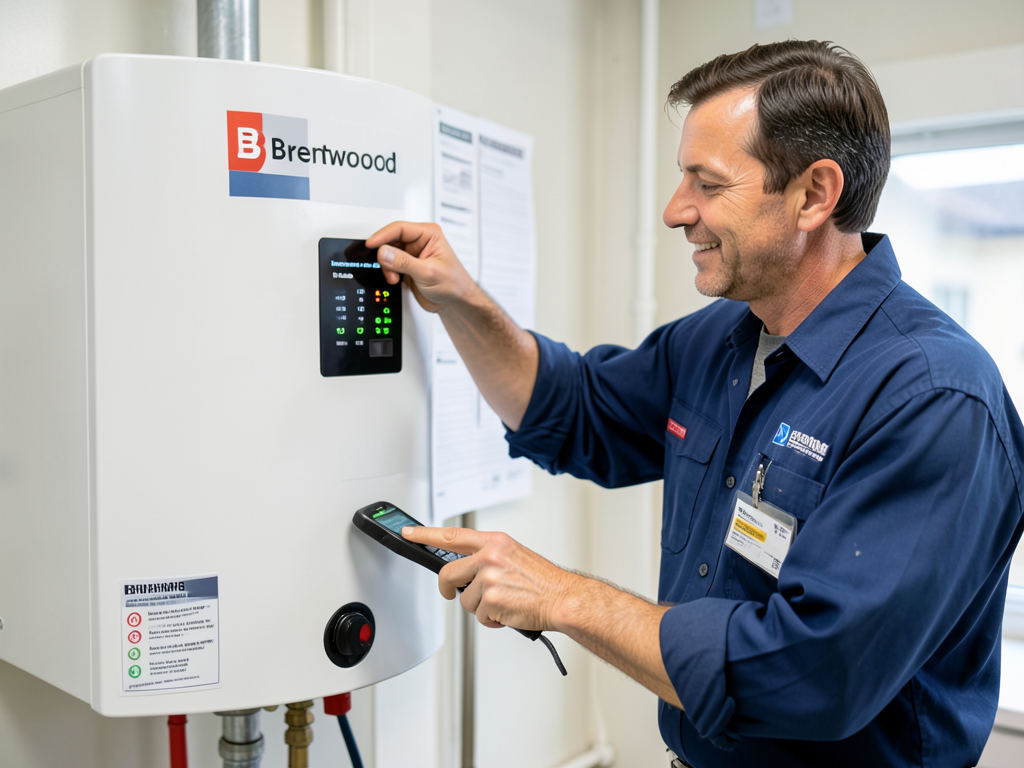
Thermal imaging cameras detect temperature changes. A cold spot on a slab or wall indicates water pooling behind the surface. We scan your floors, walls, and ceilings. The camera shows us what we cannot see with the naked eye.

We inspect every toilet. We add dye tablets to the tank. If color appears in the bowl without flushing, the flapper is leaking. We check fill valves, flush valves, and supply lines. A single toilet can waste more water than a dripping faucet.

We also inspect your irrigation system. We run each zone manually and walk the property. Wet spots, soggy areas, or unusually green patches indicate a lateral line leak. We excavate only after we confirm the location.

This process eliminates guesswork. You do not pay for exploratory digging or unnecessary repairs. We find the source, explain the fix, and restore your water bill to normal.

What Happens During a High Water Bill Investigation

High Water Bills in Nashville – Expert Diagnosis Finds Hidden Leaks Fast
01

Meter Test and Flow Analysis

We begin at your water meter. With all fixtures off, we check if the dial is spinning. If it moves, water is flowing somewhere in your system. We measure the flow rate in gallons per minute. This tells us if the leak is slow (a worn flapper) or fast (a cracked main line). We document the baseline so you understand the severity before we proceed.
02

Leak Detection and Isolation

We use acoustic sensors, pressure testing, and thermal imaging to locate the leak. We isolate zones by shutting off individual supply lines and monitoring pressure. If pressure drops in one zone, we know the leak is there. If the slab is warm in one corner, we scan with infrared. We mark the exact location before any demolition begins. This saves you money and minimizes damage.
03

Repair and Verification

Once we locate the leak, we repair it. This might mean replacing a flapper, re-soldering a copper joint, or cutting concrete to access a slab leak. After the repair, we pressure-test the system again. We confirm the meter stops spinning. We run every fixture to ensure proper flow and drainage. You see the proof before we leave. Your next water bill returns to normal.

Why Nashville Homeowners Trust Ironwood Plumbing Nashville for Water Bill Issues

You need someone who understands Nashville plumbing. Homes built before 1980 often have galvanized supply lines. These corrode from the inside. The pipe looks fine on the outside, but the interior diameter shrinks. Pressure increases. Joints fail. A sudden spike in water bills is often the first symptom.

Newer homes in Brentwood, Franklin, and East Nashville sit on expansive clay soil. When the soil dries out, it contracts. When it gets wet, it swells. This movement shifts foundation slabs. A copper line that was stable for 10 years suddenly cracks. You need a plumber who knows how soil movement affects underground plumbing.

We also understand Nashville's water quality. The water is hard. Calcium and magnesium build up inside water heaters, fill valves, and pressure-reducing valves. A clogged fill valve can cause a toilet to run continuously. A failing pressure-reducing valve can spike system pressure and blow out a supply line. We inspect these components because they matter.

Metro Water Services meters are accurate. If your bill doubled, the water went somewhere. We have seen homeowners replace toilets, faucets, and water heaters, only to discover the real problem was a pinhole leak in a copper line buried in the attic. We find the actual source.

We also work with Metro Water for leak adjustments. If you had a hidden leak that went undetected for months, Metro may adjust your sewer charge. They do not adjust the water charge, but eliminating the sewer portion can cut your bill significantly. We provide the documentation you need to request the adjustment.

We do not sell you a full repipe when you need a single repair. We do not upsell water softeners or whole-house filtration unless they solve the specific problem. We diagnose accurately and fix the issue that is costing you money right now.

What to Expect When You Call Ironwood Plumbing Nashville

Same-Day Diagnostic Appointments

When you call about a high water bill, we schedule a diagnostic visit within 24 hours. Most appointments happen the same day. We bring acoustic leak detectors, thermal cameras, and pressure-testing equipment. The diagnostic takes 60 to 90 minutes depending on your property size. We do not leave until we identify the source. You get a written explanation of what we found, where the leak is, and what it will cost to fix. No surprises.

Transparent Leak Detection Process

We explain every step. You watch the meter test. You see the thermal scan. We show you the acoustic readings. If we find a toilet flapper leaking, we demonstrate the dye test so you understand the problem. If we locate a slab leak, we mark the floor and explain the repair options. You are never in the dark. We answer every question. You approve the work before we start. This is your home, and you deserve to understand what is happening.

Permanent Leak Repairs

We fix leaks correctly. If a copper joint failed, we cut out the damaged section and solder a new fitting. If a PVC irrigation line cracked, we replace the segment with proper primer and cement. If a slab leak requires breaking concrete, we jackhammer the minimum area necessary, repair the line, pressure-test it, and coordinate concrete patching. We do not use temporary clamps or patch kits. The repair lasts as long as the original installation. Your water bill returns to normal immediately.

Follow-Up and Documentation

After the repair, we provide a detailed invoice with photos of the damaged component and the completed work. If you need documentation for Metro Water Services to request a leak adjustment, we include a letter describing the leak, the duration, and the repair. We also recommend monitoring your next two water bills. If usage does not return to normal, we come back and investigate further at no additional diagnostic charge. We stand behind our work.

Frequently Asked Questions

You Have Questions,
We Have Answers

Why is my water bill getting so high? +

High water bills often result from hidden leaks, running toilets, or faulty fixtures. A toilet flapper that fails to seal wastes gallons per hour. Outdoor leaks in irrigation lines or hose bibs also spike usage. Nashville's hard water accelerates wear on washers and seals, creating slow drips that add up fast. Seasonal changes affect your lawn watering habits, but underground leaks go unnoticed until the bill arrives. Check your Metro Water meter between uses. If it keeps moving, you have a leak somewhere in your system that needs immediate attention.

What runs your water bill up the most? +

Toilets run your bill up the most. A single running toilet wastes up to 200 gallons per day. Leaking water heaters, dripping faucets, and faulty irrigation systems follow close behind. In Nashville, automatic sprinkler systems malfunction during our humid summers, running cycles longer than programmed. Washing machines with worn hoses and dishwashers with bad door seals also contribute. Many homeowners overlook outdoor spigots left cracked open after winter freezes damage the valve seats. Even small drips compound into hundreds of gallons monthly, translating to shocking bills.

How to tell if you have a water leak on the meter? +

Turn off every faucet, appliance, and irrigation system in your home. Go to your Metro Water meter and locate the small triangular flow indicator or dial. If it moves or spins, water is flowing somewhere. Write down the meter reading, wait one hour without using any water, and check again. Any change confirms a leak between the meter and your house. Soil moisture near the meter box or unusually green grass patches along the service line also signal underground leaks that require professional excavation and repair.

How much should a normal water bill be per month? +

In Nashville, a normal residential water bill ranges from 40 to 80 dollars monthly, depending on household size and usage. Metro Water charges based on consumption tiers, so larger families naturally pay more. A two-person home typically uses 3,000 to 5,000 gallons per month. Bills exceeding 100 dollars without increased occupancy or lawn irrigation suggest a problem. Nashville's tiered rate structure penalizes high usage, so leaks push you into expensive brackets quickly. Compare your current bill to past months to identify sudden spikes that indicate leaks or malfunctioning fixtures.

Why is my water bill almost $200? +

A 200 dollar water bill signals a serious leak or prolonged high usage. Running toilets, broken irrigation zone valves, or a leaking water heater explain this jump. Nashville homes with older galvanized pipes develop pinhole leaks that spray water into walls or crawlspaces undetected. Slab leaks under concrete foundations also create massive waste. Check your Metro Water usage history online to pinpoint when consumption spiked. If you recently had plumbing work done, a loose connection may be leaking. This level of waste demands immediate inspection to prevent structural damage and higher bills.

How can I detect hidden water leaks? +

Check your water meter before bed, then recheck in the morning without using any water. Movement confirms a hidden leak. Listen for hissing sounds near toilets or water heaters. Inspect ceilings, walls, and floors for discoloration, soft spots, or mold growth. Nashville's clay soil shifts foundations, cracking slab lines beneath homes. Check your yard for soggy areas, sinking spots, or unexplained vegetation growth. Pour food coloring in toilet tanks and wait 15 minutes. If color appears in the bowl without flushing, the flapper leaks. Hidden leaks waste thousands of gallons before you notice.

Why is my water bill $900? +

A 900 dollar water bill indicates a catastrophic leak, likely a broken main line or slab leak. This level of consumption can reach tens of thousands of gallons. Nashville homes built on clay soil experience foundation movement that cracks underground pipes. Frozen pipes that burst during rare winter freezes also cause this damage. Check for water pooling in your yard, basement flooding, or a constantly running meter. Contact Metro Water immediately to dispute billing errors and request a leak adjustment. You need emergency plumbing service to locate and repair the break before further property damage occurs.

How do you check if you have a water leak? +

Turn off all water-using appliances and fixtures. Locate your water meter and observe the flow indicator. If it moves, you have an active leak. Check toilets by adding food coloring to the tank. Color in the bowl after 10 minutes means a leaking flapper. Inspect visible pipes under sinks and behind toilets for drips or corrosion. Walk your property looking for soft ground, unusually green grass, or standing water. Nashville's humid climate masks outdoor leaks until they become severe. Listen for running water sounds in walls or ceilings when the house is quiet.

What can I do to lower my water bill? +

Fix leaks immediately. A dripping faucet wastes gallons daily, and running toilets waste hundreds. Install low-flow showerheads and faucet aerators to reduce consumption without sacrificing pressure. Run dishwashers and washing machines only with full loads. In Nashville, adjust irrigation schedules seasonally. Our humid summers require less watering than you think. Water lawns early morning to minimize evaporation. Insulate hot water pipes to reduce wait time for heated water. Replace old toilets with WaterSense models that use 1.28 gallons per flush instead of outdated 3.5-gallon models. Small changes compound into real savings.

How do plumbers detect a water leak? +

Plumbers use acoustic listening devices to hear water escaping under slabs or behind walls. Thermal imaging cameras detect temperature changes where water saturates insulation or drywall. Tracer gas injected into lines pinpoints underground breaks when it rises through soil. Pressure testing isolates sections of your plumbing system to narrow leak locations. In Nashville, plumbers often inspect crawlspaces and check for corrosion on older galvanized pipes common in pre-1980 homes. Video camera inspection shows cracks or root intrusion in sewer lines. Professional detection saves money by avoiding unnecessary demolition and targeting repairs precisely.

How Nashville's Limestone Bedrock and Clay Soil Cause Underground Plumbing Failures

Nashville sits on limestone bedrock covered by expansive clay soil. When the clay dries during summer droughts, it contracts and pulls away from foundation slabs. When heavy rains soak the soil in spring, it swells and pushes against slabs and underground pipes. This constant movement stresses copper and PVC lines. A water line that was stable for years suddenly develops a pinhole leak or a cracked joint. You see the result on your water bill before you see water pooling in your yard. This is why sudden spikes in water bills are so common in Davidson County.

Metro Nashville codes require pressure-reducing valves on homes where street pressure exceeds 80 psi. Many neighborhoods in Green Hills, Belle Meade, and West Meade have street pressure between 90 and 120 psi. If your pressure-reducing valve fails, system pressure spikes. Toilet fill valves run continuously. Supply lines rupture. Water heaters leak. A failing PRV can cause an unexplained high water bill and damage multiple fixtures simultaneously. We test system pressure on every service call because it affects everything downstream.
Plumbing Services in The Nashville Area

Looking for expert plumbing services near you? Ironwood Plumbing Nashville proudly serves homeowners and businesses throughout the greater Nashville area with professional plumbing repairs, water heater installation, leak detection, and emergency plumbing services. From Brentwood to Hendersonville, our licensed plumbers are ready to respond quickly and efficiently. Use the map below to explore our coverage areas and discover fast, reliable plumbing help right around the corner.

Address:
IronwoodPlumbingNashville, 3102 West End Ave Suite 400, American Center, Nashville, TN, 37203

Additional Services We Offer

Our news updates

Latest Articles & News from The Blogs

Lorem ipsum dolor sit amet. Aut expedita quaerat quo eligendi numquam et laudantium perspiciatis qui minima expedita rem consequatur ducimus.…

Test Blog 4

Lorem ipsum dolor sit amet. Aut expedita quaerat quo eligendi numquam et laudantium perspiciatis qui minima expedita rem consequatur ducimus.…

Test Blog 3

Lorem ipsum dolor sit amet. Aut expedita quaerat quo eligendi numquam et laudantium perspiciatis qui minima expedita rem consequatur ducimus.…

Test Blog 2

Lorem ipsum dolor sit amet. Aut expedita quaerat quo eligendi numquam et laudantium perspiciatis qui minima expedita rem consequatur ducimus.…

Contact Us

If your water bill doubled and you cannot find the leak, call Ironwood Plumbing Nashville at (615) 413-8833. We locate hidden leaks fast, repair them correctly, and provide documentation for Metro Water adjustments. Same-day appointments available.