Menu

Smelly Drains & Sewer Odors in Nashville – Expert Diagnosis and Permanent Fix

Stop tolerating foul sewer gas odors and stinky bathroom drains. Our plumbers diagnose the root cause of smelly drains and sewer odors in Nashville homes, then fix the problem correctly the first time.

Slider Image 1
Slider Image 2
Slider Image 3
Slider Image 4
Slider Image 5
Slider Image 7
Slider Image 8
Slider Image 9
Slider Image 10
Slider Image 11

Why Nashville Homes Struggle with Persistent Drain and Sewer Odors

You walk into your bathroom and the rotten egg smell hits you. You run water down the drain, but the foul sewer gas odors come back within hours. You pour bleach down the sink. You light candles. Nothing works. The sewage smell in your house is still there, and you are not imagining it.

Nashville's humid subtropical climate creates perfect conditions for biofilm buildup inside drain lines. The combination of high summer humidity and fluctuating seasonal temperatures accelerates organic decay in your drain traps and vent stacks. When stinky bathroom drains develop in homes across East Nashville, Germantown, or Green Hills, it is often tied to the same root causes: dry P-traps from infrequent use, biofilm buildup in slow-moving drains, or compromised vent stacks that fail to expel sewer gases properly.

That rotten egg smell from plumbing is not just unpleasant. It is a sign of hydrogen sulfide gas escaping your waste system. Foul sewer gas odors mean something is failing in your drain trap system or vent stack. If you smell sewage in your house, you are not dealing with a cosmetic problem. You are dealing with a health hazard and a mechanical failure.

Nashville's older housing stock, particularly in neighborhoods like East Nashville and Germantown, often features cast iron drain lines that corrode from the inside out. This corrosion allows sewer gas to escape through micro-cracks before you ever see a water leak. Meanwhile, newer construction in areas like The Gulch or Green Hills can suffer from improperly installed P-traps or inadequate venting due to rushed work during the building boom. Both scenarios create the same result: foul sewer gas odors permeating your home.

Stinky bathroom drains and a rotten egg smell from plumbing are not just unpleasant. They signal a failure in your drain trap seal or a breach in your vent stack. Sewage smell in house means sewer gases, including methane and hydrogen sulfide, are entering your living space. These gases are not just foul, they are toxic in concentration and flammable.

Unpleasant drain odors are not cosmetic problems. They indicate a breakdown in your plumbing system's ability to isolate waste gases. You notice it most in bathrooms, basements, and laundry rooms. The smell can linger in fabrics and make your home uncomfortable. Worse, sewer gas contains hydrogen sulfide and methane, both of which pose health risks in confined spaces.

Nashville's unique combination of hard water deposits, aging cast iron drain lines in older neighborhoods like East Nashville and Germantown, and seasonal humidity create a perfect environment for biofilm buildup and dry P-traps. When temperatures swing from humid summers to cold snaps, trapped gases expand and push through weak spots in your drain system. If you smell rotten eggs or sewage in your home, you are not dealing with a cosmetic problem. You are dealing with a ventilation failure, a dry trap, or a breach in your drain waste vent system that is allowing sewer gas into your living space.

Hydrogen sulfide is the chemical behind that rotten egg smell from plumbing. It is flammable in high concentrations and toxic in enclosed spaces. Foul sewer gas odors also carry bacteria. Stinky bathroom drains are not just unpleasant. They signal a plumbing failure that compromises indoor air quality and poses real health risks.

[HEADLINE]
Smelly Drains & Sewer Odors in Nashville – Expert Diagnosis and Permanent Fixes for Unpleasant Drain Odors
[/HEADLINE]

[SUBHEADLINE]
From foul sewer gas odors to rotten egg smells in your home, Ironwood Plumbing Nashville identifies the root cause of stinky bathroom drains and eliminates sewage smells with precision diagnostics and code-compliant repairs.
[/SUBHEADLINE]

[SECTION 1 H2]
Why Sewer Gas Odors Are More Common in Nashville Homes
[/SECTION 1 H2]

[SECTION 1 CONTENT]
You notice it first thing in the morning. A faint rotten egg smell from plumbing. By evening, it is a full sewage smell in the house. You check the bathroom, kitchen, and laundry room. The stinky bathroom drains are undeniable. You run water, pour bleach down the sink, light candles. Nothing helps.

This is not a cleaning problem. It is a plumbing system failure, and it happens more often in Nashville than most homeowners realize.

Nashville sits on limestone bedrock riddled with underground voids and karst formations. When the ground shifts or settles, sewer lines crack. Add our unpredictable freeze-thaw cycles in winter, and those hairline fractures widen. Roots from Nashville's abundant mature oaks and maples infiltrate compromised pipes, creating blockages that trap debris and generate hydrogen sulfide gas. That is the rotten egg smell from plumbing you are dealing with.

Stinky bathroom drains and foul sewer gas odors are not just unpleasant. They are warning signs. Sewer gas contains methane and hydrogen sulfide. Both are flammable and toxic in high concentrations. If you smell sewage in your house or notice unpleasant drain odors, you are dealing with a failed trap seal, a blocked vent stack, or a cracked drain line allowing sewer gas to escape into your living space.

Nashville's older neighborhoods, like East Nashville and Germantown, have aging cast iron pipes that corrode from the inside. When those pipes crack or collapse, you get stinky bathroom drains and a rotten egg smell from plumbing that will not go away with bleach or baking soda. You need a camera inspection and professional diagnosis.

If you smell sewage in your house or notice foul sewer gas odors coming from multiple drains, you are dealing with a venting problem, a dry P-trap, or a compromised sewer line. Ignoring unpleasant drain odors can allow hydrogen sulfide gas to build up inside your home, which is not just unpleasant but hazardous to your health.

[SECTION 1 H2]
Why Nashville Homes Struggle With Foul Sewer Gas Odors and Stinky Drains
[/SECTION 1 H2]

[SECTION 1 CONTENT]
You walk into your bathroom and gag. That rotten egg smell from plumbing hits you like a wall. You check the toilet, the shower, the sink, but you cannot pin down where the foul sewer gas odors are coming from. You are not imagining it. The sewage smell in your house is real, and it signals a problem in your drain waste vent system.

Nashville homes face a specific challenge. The high humidity in Middle Tennessee creates the perfect breeding ground for organic buildup inside drain lines. Combined with the limestone bedrock common to Davidson County, shifts in foundation can crack older cast iron pipes or weaken wax rings around toilets. When those seals fail, sewer gas escapes. You smell it in the bathroom, the kitchen, sometimes the basement.

That rotten egg smell from plumbing is hydrogen sulfide gas. It is toxic in high concentrations and always indicates a failure somewhere in your drainage or venting system. Stinky bathroom drains are not just unpleasant. They signal a breach in your sanitary plumbing system. Foul sewer gas odors mean sewer gases, including methane and hydrogen sulfide, are escaping into your home. These gases are dangerous. They corrode metal fixtures, discolor paint, and in concentrated amounts, pose real health risks.

Nashville homes built before the 1980s often have cast iron drain lines that corrode from the inside out. That corrosion creates gaps where sewer gas leaks into living spaces. Newer subdivisions around Green Hills and East Nashville often experience dry P-traps because homes sit vacant during construction or after sale. When water evaporates from a trap, nothing blocks the gases from rising up through your drain. The result is sewage smell in house complaints that baffle homeowners.

Unpleasant drain odors are not just annoying. They signal a breakdown in your plumbing system's barrier against harmful gases like methane and hydrogen sulfide. Rotten egg smell from plumbing points to bacterial buildup or failing vent stacks. Foul sewer gas odors are not just disgusting, they are dangerous. Hydrogen sulfide can cause headaches, nausea, and respiratory irritation. Ignoring stinky bathroom drains is ignoring a safety hazard.

[SECTION 1 H2]
Why Nashville Homes Struggle with Persistent Drain Odors
[/SECTION 1 H2]

[SECTION 1 CONTENT]
You walk into your bathroom and hit a wall of rotten egg smell from plumbing. You clean the drains, light candles, spray air fresheners, but the sewage smell in house keeps coming back. You are not imagining it, and it is not just a dirty drain.

Nashville's climate and infrastructure create perfect conditions for unpleasant drain odors. The humid summers accelerate bacterial growth inside drain lines and P-traps. When organic matter from hair, soap scum, and food debris sits in standing water, bacteria break it down and release hydrogen sulfide gas. That is the rotten egg smell you are fighting.

Many Nashville homes were built before modern venting standards were enforced. Older properties in East Nashville, Germantown, and the Gulch may have undersized or improperly installed plumbing vent stacks. When a vent stack is blocked by bird nests, leaves, or corrosion, sewer gases cannot escape through the roof. Instead, they back up into your home through drains and toilets. This creates persistent foul sewer gas odors that no amount of surface cleaning will fix.

The city's limestone bedrock and clay soil also contribute. Ground shifting can crack sewer lines, allowing gases to seep into crawl spaces and basements. If you notice stinky bathroom drains only in certain areas of your home, you may have a compromised drain line or a dried-out P-trap. P-traps are designed to hold water and block sewer gases, but if a sink or floor drain is rarely used, that water evaporates. Once the barrier is gone, sewer gas flows freely into your living space.

High water pressure fluctuations in Nashville's municipal water system can also siphon water out of traps. If you hear gurgling sounds when you flush a toilet or drain a tub, that is a sign of negative pressure pulling air through the system. The result is intermittent but recurring sewage smell in house that drives homeowners to frustration.

Why Nashville Homes Struggle with Persistent Drain and Sewer Odors
How We Track Down and Eliminate Sewer Gas at the Source

How We Track Down and Eliminate Sewer Gas at the Source

Most plumbing companies will snake your drain, pour some enzyme cleaner down the pipe, and call it a day. That approach ignores the real issue. Foul sewer gas odors are not a surface problem. They are a system problem. Our diagnostic process starts with a pressure test of your drain waste vent system. We use a smoke test to identify leaks in vent stacks, cracked drain lines, or improperly sealed cleanout caps. Smoke reveals where sewer gas is escaping, even if the leak is hidden behind a wall or under a slab.

Next, we inspect your P-traps. Every fixture in your home should have a properly configured trap that holds at least two inches of water. We check trap depth, verify that traps are not cross-threaded or loose, and confirm that they are not being siphoned by negative pressure. If a trap is dry, we refill it and monitor for evaporation or siphoning. If the trap keeps drying out, we install an auto-fill trap primer or redesign the vent configuration to prevent suction.

We also scope your main sewer line with a high-definition camera. This lets us see root intrusion, offset joints, or collapsed sections that are allowing sewer gases to migrate into your home. In Nashville, we frequently find cast iron drain lines that have corroded from the inside out. The pipe may look fine from the outside, but the interior is pitted and leaking gas. We document these findings with timestamped video so you can see exactly what we see.

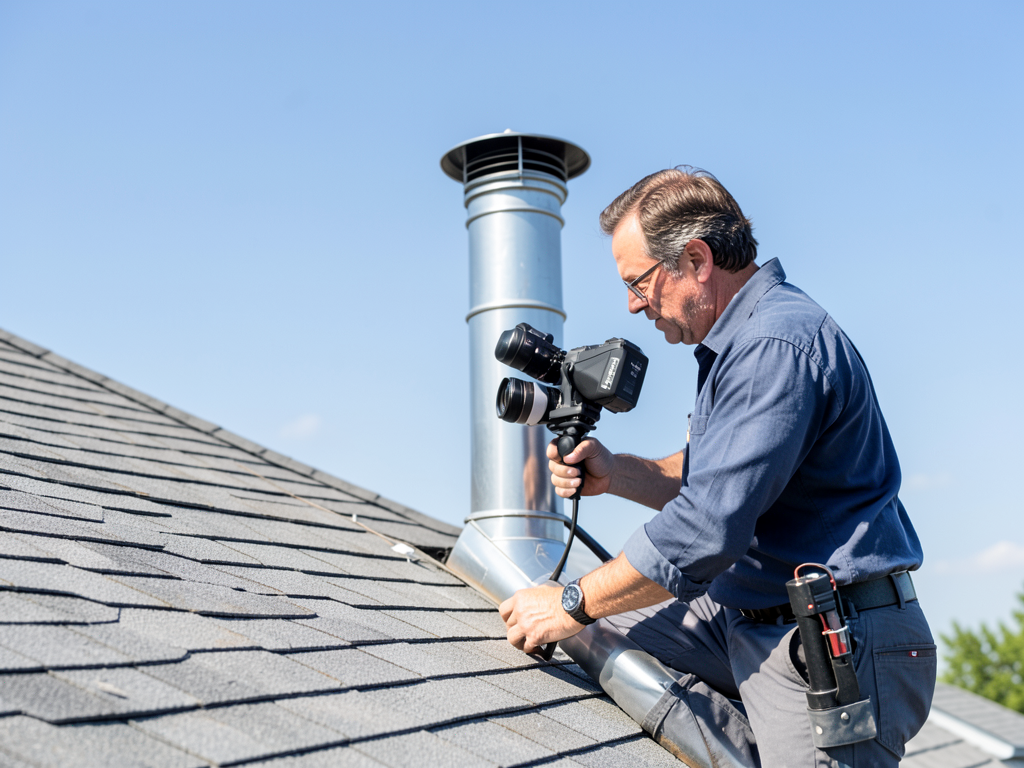
For homes with recurring stinky bathroom drains, we inspect roof vent stacks. A blocked or undersized vent stack cannot equalize pressure in the drain system. We clear obstructions, verify proper vent diameter, and confirm that the vent terminates above the roofline and away from windows. If your vent stack is too short or improperly located, we extend it to meet code and restore proper airflow.

Finally, we address biofilm buildup. Even if your vent system is sound, thick biofilm inside drain lines will continue to produce hydrogen sulfide. We use bio-enzymatic treatments and hydro-jetting to strip biofilm from pipe walls. This removes the organic material that bacteria feed on, eliminating the source of the smell.

What Happens When We Solve Your Sewer Gas Problem

Smelly Drains & Sewer Odors in Nashville – Expert Diagnosis and Permanent Fix
01

Initial System Diagnosis

We start with a smoke test and pressure test of your drain waste vent system to pinpoint where sewer gas is entering your home. We inspect all P-traps, cleanouts, and vent terminations. We use a sewer camera to examine the condition of your main drain line and branch lines. This diagnostic phase takes 45 to 90 minutes depending on the size of your home and the complexity of your plumbing system. You get a detailed report with photos and video showing exactly where the problem is.
02

Targeted Repairs and Cleaning

Once we identify the source, we execute repairs. This may include clearing blocked vent stacks, replacing faulty P-traps, sealing leaking cleanout caps, or installing trap primers. If we find a cracked drain line, we isolate the damaged section and replace it with PVC or ABS pipe. For biofilm buildup, we hydro-jet the affected lines to strip organic material from pipe walls. We use bio-enzymatic cleaners that break down residual organic matter without corroding your pipes. The repair phase is surgical, not exploratory.
03

Verification and Prevention Plan

After repairs, we run a final smoke test to confirm that sewer gas is no longer entering your home. We verify that all traps are holding water, vents are flowing freely, and no gurgling or negative pressure exists in the system. We provide a maintenance plan that includes trap primer installation for rarely used drains, periodic bio-enzymatic treatments, and a schedule for vent stack inspection. You leave with a written record of what was fixed and a clear plan to prevent recurrence.

Why Nashville Homeowners Trust Ironwood Plumbing for Drain Odor Solutions

Sewer gas problems are not one-size-fits-all. A plumber who does not understand Nashville's building history and infrastructure cannot diagnose the problem correctly. We work on homes built in the 1920s with cast iron stacks and homes built last year with PVC systems. We know that older homes in Sylvan Park and Hillsboro Village often have shared vent stacks that serve multiple fixtures. We know that homes in flood-prone areas near the Cumberland River are more likely to have compromised sewer laterals.

We also understand Nashville's building codes and permit requirements. If your vent stack needs to be extended or rerouted, we pull the proper permits and ensure the work is inspected. This protects your home value and ensures that future buyers will not inherit a code violation. DIY fixes and unlicensed handyman repairs often create more problems than they solve. We have spent years cleaning up botched repairs where someone capped a vent stack or removed a trap to "fix" a slow drain.

Our technicians carry diagnostic tools that most plumbers do not own. Smoke machines, sewer cameras, and pressure gauges are not cheap, but they are necessary to do the job right. We do not guess. We test, document, and verify. You get a written report with photos and video showing the condition of your system before and after repairs. This transparency builds trust and gives you peace of mind.

We also offer same-day service for urgent sewer gas problems. If you have foul sewer gas odors that are making your home unlivable, we prioritize your call. We stock common repair parts on our trucks so we can complete most repairs in a single visit. You do not have to wait days for a part to arrive or schedule a second appointment. We fix it and you move on with your life.

What to Expect When You Call Ironwood Plumbing for Sewer Gas Diagnosis

Response Time and Scheduling

We offer same-day and next-day appointments for sewer gas problems. If you call before noon, we can usually get a technician to your home the same day. For non-urgent diagnostic visits, we offer flexible scheduling including evenings and weekends. Our dispatch team will give you a two-hour arrival window and send you a text with your technician's name and photo 30 minutes before arrival. If sewer gas is creating a health hazard, we prioritize your call and get someone on-site as quickly as possible. You will not be ignored or bumped for commercial jobs.

Diagnostic Process and Findings

Our diagnostic visit includes a smoke test, pressure test, and sewer camera inspection. We inspect all visible P-traps, cleanouts, and vent terminations. We run water through all fixtures to observe drainage patterns and listen for gurgling or negative pressure. We take photos and video of any issues we find and review them with you on-site. You will see exactly what we see. We provide a written estimate for repairs before any work begins. There are no surprise charges or upselling. We explain what needs to be fixed now and what can wait. You make the decision.

Quality of Repair Work

All repairs are completed to code using approved materials. We replace damaged sections with PVC or ABS pipe that will outlast the rest of your plumbing system. We use stainless steel clamps and high-grade pipe cement. We do not use temporary fixes or band-aid solutions. If a vent stack needs to be extended, we install it properly with proper flashing and weatherproofing. If a drain line needs to be replaced, we excavate and replace the entire damaged section. We clean up thoroughly when the job is done. You will not find pipe shavings or cement spills in your crawlspace or basement.

Follow-Up and Maintenance

After repairs are complete, we schedule a follow-up check 30 days later to verify that sewer gas odors have not returned. This follow-up is included in your initial service fee. We also provide a maintenance plan that includes bio-enzymatic treatments every six months and annual vent stack inspection. If you have rarely used drains, we can install automatic trap primers that keep P-traps full even when fixtures are not in use. We keep detailed records of your plumbing system so future service calls are faster and more efficient. You get a dedicated customer file with notes, photos, and a map of your drain system.

Frequently Asked Questions

You Have Questions,
We Have Answers

How to get rid of sewer smell coming from drains? +

Sewer smell comes from a dry P-trap, broken vent pipe, or damaged wax ring under your toilet. Run water in all drains for 30 seconds to refill traps. If the smell returns, you likely have a venting issue or cracked drain line. Nashville homes built before 1980 often have cast iron pipes that corrode and leak sewer gas. Check under sinks for disconnected traps. If the odor persists after running water, call a plumber to inspect your vent stack and drain lines with a camera. Do not mask the smell with air fresheners. You need to fix the source.

What is the hardest smell to get rid of? +

Sewer gas is the hardest smell to eliminate because it permeates porous materials like drywall, wood, and fabric. The hydrogen sulfide in sewer gas bonds to surfaces and lingers even after the leak stops. You cannot remove it with candles or sprays. You must locate and repair the source, then deep-clean affected areas with enzyme cleaners or replace materials entirely. Nashville humidity makes it worse by holding odors in the air longer. Proper ventilation and dehumidification help after repairs, but only fixing the leak truly solves it.

How to find where sewer smell is coming from? +

Start by sniffing near floor drains, toilets, and sink drains in bathrooms and basements. Pour water down seldom-used drains. If the smell stops, the P-trap was dry. If it continues, check your roof vent stack for blockages like bird nests. Inspect crawl spaces for cracked drain pipes or sewage leaks. Nashville clay soil shifts and cracks older pipes. Use a flashlight to look for water stains or mold under sinks. If you cannot pinpoint it, a plumber can run a smoke test to trace the exact leak point in your system.

Why does my drain smell bad but no blockage? +

A bad smell without a blockage means your P-trap is dry, your vent stack is blocked, or biofilm buildup coats your pipes. P-traps hold water to seal out sewer gas. If you rarely use a drain, the water evaporates. Nashville heat speeds evaporation. Pour a gallon of water down the drain. If it smells again in a week, you have a venting problem or negative air pressure pulling water out of the trap. Biofilm smells like sulfur or rotten eggs. Enzyme cleaners break it down, but recurring smell needs professional inspection.

Can I fix a sewage smell myself? +

You can fix a dry P-trap yourself by pouring water down the drain. For biofilm smell, use an enzyme drain cleaner, not bleach or baking soda. If the smell comes back or you cannot locate it, stop. You risk making it worse. Broken vent pipes, cracked wax rings, and damaged sewer lines need professional tools like cameras and smoke tests. Nashville homes with basements or crawl spaces often have hidden leaks you cannot reach. Do not ignore sewer smell. It contains methane and hydrogen sulfide, which are health hazards. Call a plumber if DIY fails.

Why should you never use baking soda and vinegar to unclog a drain? +

Baking soda and vinegar create a fizzy reaction that looks impressive but does nothing for clogs. The reaction happens instantly and produces only water and carbon dioxide. It lacks the pressure or chemical strength to break up grease, hair, or debris. Worse, if you use it after a commercial drain cleaner, the mixture can create toxic fumes. Nashville hard water often causes mineral buildup that vinegar cannot touch. For real clogs, use a drain snake or call a plumber. For odors, use enzyme cleaners designed to digest organic waste.

What is the strongest odor killer? +

Enzyme cleaners are the strongest odor killers for drains because they digest organic waste causing the smell. Products like Bio-Clean break down hair, grease, soap scum, and food particles. For surfaces affected by sewer gas, use an oxidizing agent like OdoBan or a hydroxyl generator for severe cases. Nashville humidity can trap odors in carpets and drywall. Do not use bleach. It temporarily masks smell but does not eliminate the source. Ozone generators work but require vacating the home. Fix the leak first, then treat surfaces with enzymes or oxidizers.

What is the old lady's smell called? +

The old lady smell is called nonenal. It comes from the breakdown of omega-7 unsaturated fatty acids in aging skin, not from poor hygiene. Nonenal sticks to fabrics and increases after age 40. It has a greasy, grassy odor. This is unrelated to sewer smell. If you notice this in your Nashville home alongside drain odors, they are separate issues. Nonenal requires washing fabrics in hot water with oxygen bleach and improving ventilation. Sewer odors require fixing dry traps, broken pipes, or blocked vents. Do not confuse the two.

How to get rid of old person smell in house? +

Open windows to improve airflow and reduce trapped odors. Wash all fabrics, including curtains, bedding, and upholstery, in hot water with oxygen bleach. Scrub walls and hard surfaces with a mixture of white vinegar and water. Replace HVAC filters and clean ducts. Use enzyme cleaners on carpets. Nashville humidity worsens odor retention, so run a dehumidifier. If the smell persists, check for hidden issues like mold, sewer gas leaks, or decaying material in crawl spaces. Age-related body odor is natural, but poor ventilation and moisture amplify it.

What's the average cost to fix a sewer smell? +

Costs vary widely based on the cause. Refilling a dry P-trap is free. Replacing a toilet wax ring costs minimal labor. Repairing a cracked vent stack or replacing corroded cast iron drain lines costs significantly more. Nashville homes with crawl spaces or older plumbing often face higher costs due to access difficulty. Camera inspections help pinpoint problems before spending on unnecessary repairs. Most sewer odor fixes fall in a moderate range, but extensive pipe replacement can escalate quickly. Get a diagnostic inspection first to avoid guessing and wasting money on temporary solutions.

How Nashville's Aging Sewer Infrastructure Affects Residential Drain Odors

Nashville's rapid growth has strained an aging sewer system that was never designed for this population density. Many neighborhoods in East Nashville, Germantown, and the Nations are served by combined sewer systems that were installed in the 1940s and 1950s. During heavy rain events, these systems can become overwhelmed, causing sewage backups and pressure imbalances that force sewer gas into homes through floor drains and cleanouts. If you notice rotten egg smell from plumbing or foul sewer gas odors after heavy rain, your home may be connected to an overtaxed sewer main. We work with Metro Water Services to identify problem laterals and install backflow preventers that stop sewer gas from entering your home during high-flow events.

Ironwood Plumbing has been serving Nashville homeowners for years. We know the difference between a simple trap issue and a systemic vent problem. We understand how Nashville's building codes have evolved and how to bring older homes up to current standards without unnecessary demolition. Our technicians are trained to diagnose problems that other plumbers miss. We invest in continuing education and stay current on code changes and best practices. When you hire us, you are hiring local expertise and accountability. We are not a franchise or a national chain. We live and work in Nashville, and our reputation depends on doing the job right the first time.

Plumbing Services in The Nashville Area

Looking for expert plumbing services near you? Ironwood Plumbing Nashville proudly serves homeowners and businesses throughout the greater Nashville area with professional plumbing repairs, water heater installation, leak detection, and emergency plumbing services. From Brentwood to Hendersonville, our licensed plumbers are ready to respond quickly and efficiently. Use the map below to explore our coverage areas and discover fast, reliable plumbing help right around the corner.

Address:
IronwoodPlumbingNashville, 3102 West End Ave Suite 400, American Center, Nashville, TN, 37203

Additional Services We Offer

Our news updates

Latest Articles & News from The Blogs

Lorem ipsum dolor sit amet. Aut expedita quaerat quo eligendi numquam et laudantium perspiciatis qui minima expedita rem consequatur ducimus.…

Test Blog 4

Lorem ipsum dolor sit amet. Aut expedita quaerat quo eligendi numquam et laudantium perspiciatis qui minima expedita rem consequatur ducimus.…

Test Blog 3

Lorem ipsum dolor sit amet. Aut expedita quaerat quo eligendi numquam et laudantium perspiciatis qui minima expedita rem consequatur ducimus.…

Test Blog 2

Lorem ipsum dolor sit amet. Aut expedita quaerat quo eligendi numquam et laudantium perspiciatis qui minima expedita rem consequatur ducimus.…

Contact Us

Sewer gas is not just unpleasant, it is a health hazard. Call (615) 413-8833 now to schedule a diagnostic visit. We offer same-day service and transparent pricing. Let us find the source of the smell and fix it permanently.