







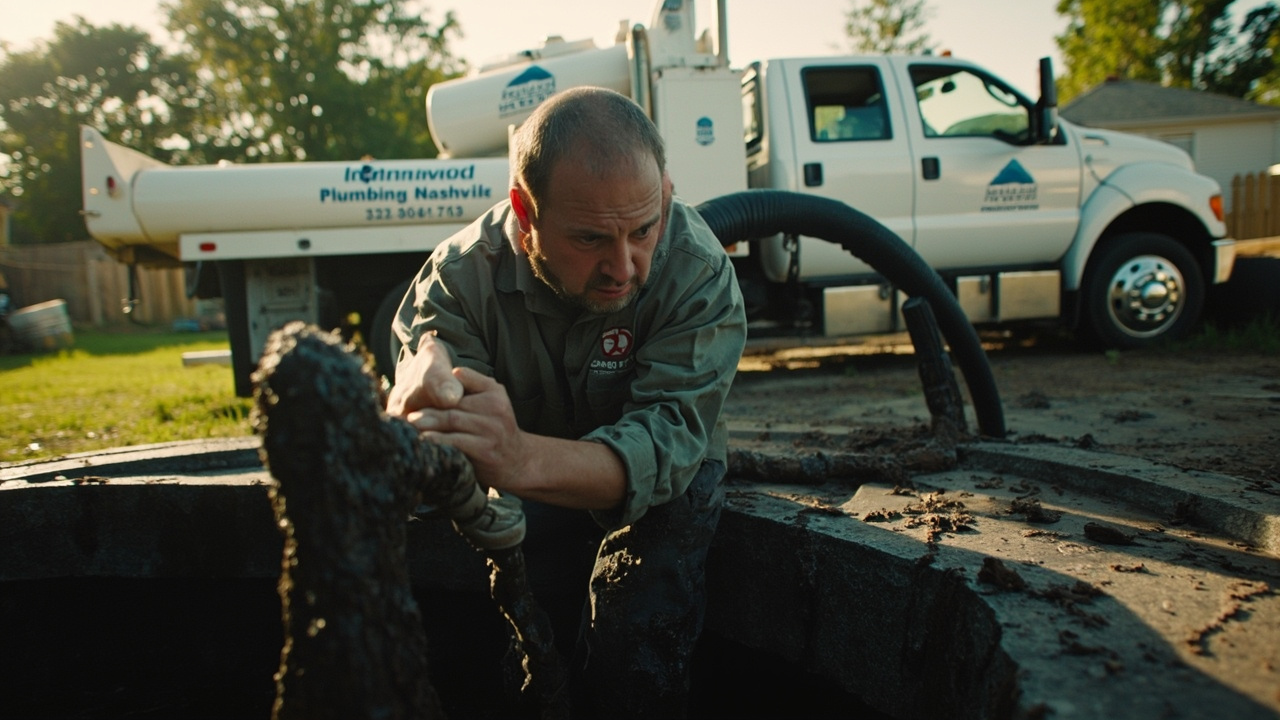
Davidson County sits on heavy clay soil with slow percolation rates. When your septic drain field tries to disperse effluent into saturated clay, the liquid has nowhere to go. It backs up into your tank, then into your house. Nashville receives an average of 48 inches of rain per year, with the heaviest storms in March, April, and May. These spring rains coincide with high water tables and create perfect conditions for drain field saturation. Older homes in Antioch, Madison, and Joelton often have undersized drain fields designed for smaller households. When these systems fail during wet weather, emergency septic pumping becomes the only option to stop sewage from surfacing in your yard.
Metro Nashville Public Health enforces septic system regulations under Tennessee Code Title 68. If your system fails and neighbors report sewage odors or visible discharge, you can face mandatory inspections and repair orders. Working with a local contractor who understands Davidson County permit requirements ensures your emergency repair meets code and avoids penalties. Ironwood Plumbing Nashville works with Metro Water Services inspectors and local soil engineers to design compliant repairs. We also maintain relationships with pumping disposal facilities approved by Metro, ensuring your waste is handled legally and safely. When you choose local expertise, you choose compliance.