




Menu

Basement Flooding Pump-Out in Nashville – Immediate Dispatch, 24/7 Emergency Water Extraction

Stop basement flood damage in its tracks with rapid basement water pump out service across Nashville. Our emergency crews deploy within minutes to extract standing water, prevent structural damage, and protect your home or business from catastrophic loss.

Slider Image 1
Slider Image 2
Slider Image 3
Slider Image 4
Slider Image 5
Slider Image 7
Slider Image 8
Slider Image 9
Slider Image 10
Slider Image 11

Nashville's Flood Risk Makes Every Second Count

You are standing ankle-deep in cold water, watching it seep into your drywall and carpet. Your heart is racing. This is not a drill.

Nashville's unique geography creates a perfect storm for basement flooding. The Cumberland River basin and its tributaries mean heavy rainfall has nowhere to go except down. When thunderstorms dump three inches in an hour, the city's older sewer systems back up. Combined with Middle Tennessee's clay-heavy soil that drains poorly, water finds the path of least resistance: your basement.

Spring storms between March and May bring the highest flood risk. The area's elevation changes mean East Nashville and areas near Richland Creek face repeat flooding events. Older homes built before updated drainage codes lack proper sump pump systems. Even newer construction in flood zones struggles when stormwater overwhelms infrastructure.

Every minute water sits in your basement, the damage multiplies. Drywall absorbs moisture like a sponge. Wood floor joists begin to rot. Electrical panels become fire hazards. Mold spores colonize within 24 to 48 hours. Your HVAC system, water heater, and stored belongings sit in contaminated water filled with sewage, chemicals, and bacteria.

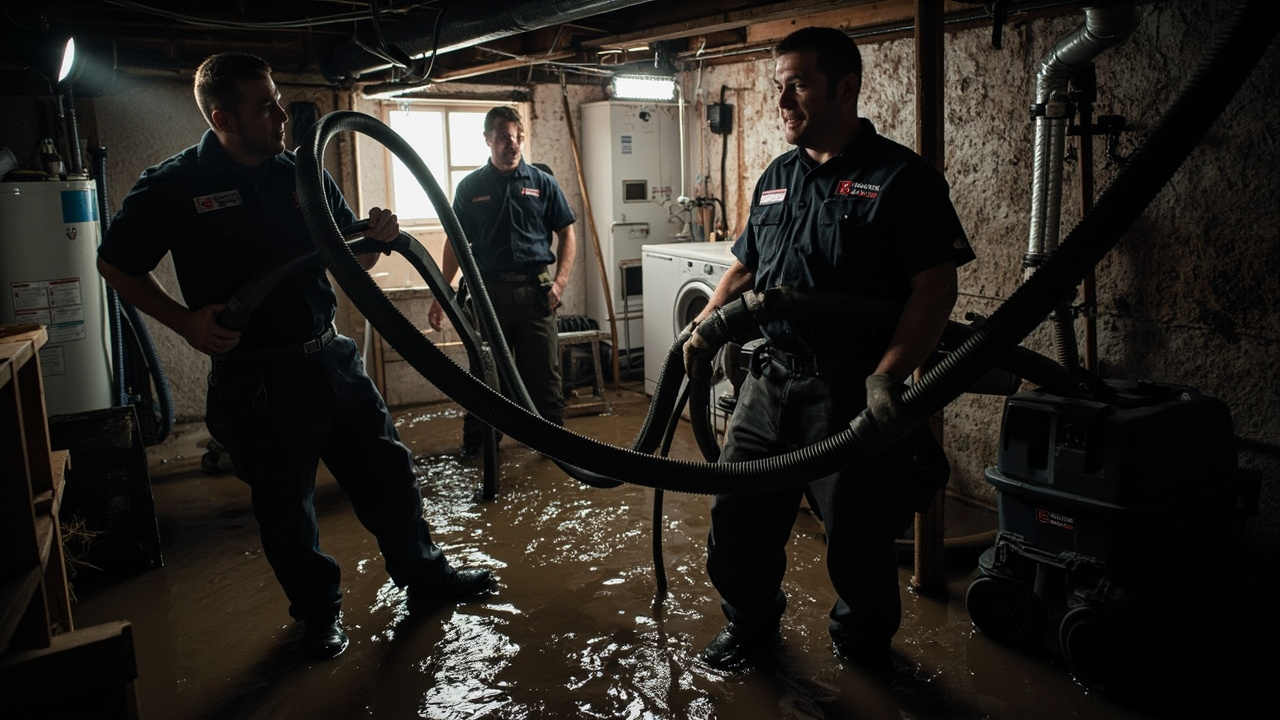
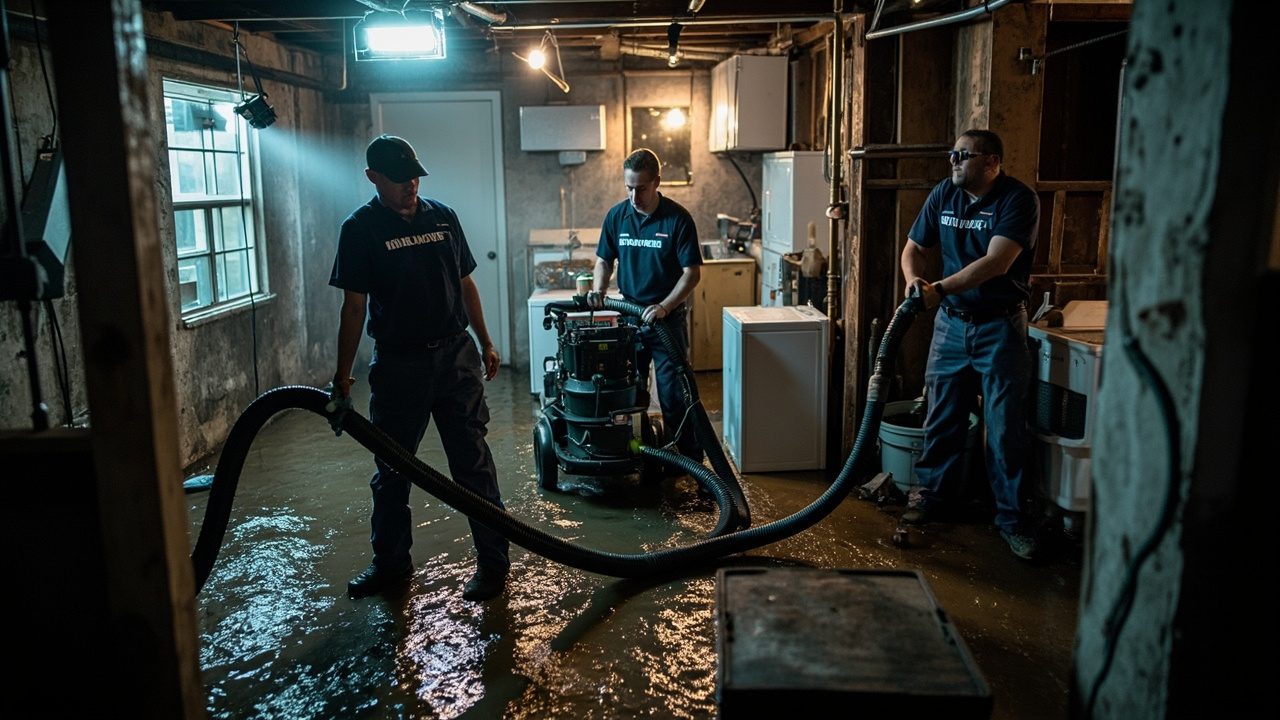
Emergency basement water removal requires industrial-grade pumps that move thousands of gallons per hour. Standard shop vacuums cannot handle this volume. You need flooded basement extraction service with truck-mounted equipment and trained technicians who understand structural drying principles.

The clock is ticking. The water is not going away on its own. Waiting for it to recede naturally guarantees foundation cracks, buckling floors, and a five-figure mold remediation bill.

Nashville's Flood Risk Makes Every Second Count
How Professional Emergency Flood Pumping Actually Works

How Professional Emergency Flood Pumping Actually Works

When you call for emergency basement water removal, you are not getting a handyman with a wet vac. You are getting a coordinated extraction operation built around speed and salvage.

We deploy gas-powered trash pumps capable of moving 158 gallons per minute through three-inch discharge hoses. These pumps handle debris-laden water that would destroy standard sump pumps. For cleaner standing water, we use submersible electric pumps that run quieter but still move 80 gallons per minute. Pump selection depends on contamination level and debris content.

Our trucks carry multiple pump configurations because no two flooded basements match. Sewer backups require different handling than groundwater intrusion. We assess the water source immediately. Is this clean rainwater from a failed sump pump? Gray water from a washing machine overflow? Black water from a sewer line backup? The contamination category determines our safety protocols and disposal methods.

We establish discharge points that comply with Metro Nashville stormwater ordinances. We cannot pump into sanitary sewers or neighboring properties. Discharge typically routes to the street, drainage swales, or your yard if soil conditions allow percolation.

While pumps run, we begin moisture mapping with infrared cameras and penetrating moisture meters. This identifies hidden water in wall cavities and under flooring. We document everything for insurance claims with time-stamped photos and moisture readings.

After extraction, we deploy commercial air movers and dehumidifiers. These run continuously for 48 to 72 hours to dry structural materials below 15 percent moisture content. This prevents secondary mold growth and wood rot. We monitor daily with moisture meters until readings stabilize.

This is not cleanup. This is emergency mitigation to stop total loss.

What Happens When We Arrive at Your Flooded Basement

Basement Flooding Pump-Out in Nashville – Immediate Dispatch, 24/7 Emergency Water Extraction
01

Immediate Water Extraction

Our crew arrives with truck-mounted pumps and portable generators within 60 minutes of your call. We perform a safety sweep for electrical hazards and structural instability before entering. Gas-powered trash pumps deploy immediately to remove standing water. We establish proper discharge routing that complies with local codes while protecting your foundation and landscaping. Extraction speed determines how much you save.
02

Damage Assessment and Documentation

While pumps run, we map the full extent of water intrusion using thermal imaging and moisture detection equipment. We photograph affected areas, measure moisture levels in walls and floors, and identify the water source. This documentation becomes critical for insurance claims and determines the scope of structural drying needed. We classify water contamination to ensure proper safety protocols during cleanup and restoration.
03

Structural Drying Setup

After extraction, we position commercial-grade air movers and refrigerant dehumidifiers to create controlled airflow across wet surfaces. This setup runs continuously for two to three days while we monitor moisture levels daily. We adjust equipment placement based on moisture meter readings to ensure all structural materials reach safe moisture content. You receive a daily log showing drying progress until your basement is certified moisture-free.

Why Nashville Property Owners Call Ironwood Plumbing During Flood Emergencies

When your basement floods at 2 a.m., you need someone who answers the phone and shows up fast. We staff emergency crews around the clock because floods do not wait for business hours.

Our technicians train specifically on Nashville's flood patterns and infrastructure challenges. We know which neighborhoods flood during heavy rain. We understand how the city's combined sewer system behaves during overflow events. We have worked with Metro Water Services on hundreds of backup incidents and know exactly how contaminated water needs to be handled under local health codes.

This local knowledge matters when minutes count. We arrive prepared with the right equipment because we have seen your exact scenario dozens of times. The crew knows whether your Germantown basement floods from the nearby stormwater culvert or if your Green Hills home is dealing with foundation seepage from uphill runoff.

We maintain direct relationships with Nashville insurance adjusters and restoration companies. This speeds up your claims process and coordinates follow-up mold remediation or reconstruction if needed. We provide documentation formatted exactly how local adjusters require it.

Our trucks carry backup generators because we assume power is out during major flooding events. We stock multiple pump configurations because basement access varies wildly in Nashville's diverse housing stock, from 1920s bungalows to new construction in Bellevue.

You are not getting a generic national chain reading from a script. You are getting technicians who live in this city, who understand its infrastructure, and who have responded to floods in your specific neighborhood. We know the terrain. We know the systems. We know what works.

When water is rising, local expertise is the difference between salvage and total loss.

What to Expect During Emergency Basement Water Removal

Response Time and Availability

We dispatch emergency crews 24 hours a day, 365 days a year. When you call, you speak directly to our emergency coordinator, not an answering service. We commit to on-site arrival within 60 minutes for Metro Nashville properties. During widespread flooding events, we prioritize based on severity and safety risks. Our trucks stay stocked and fueled specifically for rapid deployment. You receive an estimated arrival time within five minutes of your call, and we text you when the crew is 10 minutes out. We understand that every minute water sits in your basement compounds the damage and your stress.

Initial Assessment Process

Before pumps start, we conduct a safety evaluation for electrical hazards, structural integrity, and water contamination level. We identify the water source to determine if this is an ongoing issue requiring shutoffs or repairs. Our crew documents the scene with photographs and moisture readings for your insurance claim. We explain our extraction plan, discharge routing, and estimated timeline before beginning work. You receive a written scope of emergency services on-site. We answer your questions about insurance coverage, expected drying time, and next steps. This assessment typically takes 10 to 15 minutes but provides the roadmap for effective water removal and damage mitigation.

The Extraction and Drying Result

Complete water extraction typically takes two to six hours depending on volume and basement size. You will see standing water disappear rapidly once high-volume pumps deploy. After extraction, your basement will not be dry, but it will be empty of pooling water. Structural materials like drywall, wood framing, and concrete will still hold absorbed moisture. Our drying equipment runs for 48 to 72 hours to pull this moisture out. We monitor progress daily with moisture meters and provide readings that show drying curves. Your basement reaches safe moisture levels when readings stabilize below 15 percent. At completion, you receive a certified dry report documenting final moisture content in all affected materials.

Follow-Up and Prevention Planning

After emergency extraction and drying, we provide a detailed report identifying why your basement flooded and how to prevent recurrence. This might include sump pump installation, backup power systems, French drain installation, or sewer line backflow preventer upgrades. We coordinate with restoration contractors if you need mold remediation, drywall replacement, or reconstruction services. Our report includes moisture documentation required by insurance carriers and recommendations for permanent flood mitigation. We follow up 30 days after service to confirm your basement has remained dry and answer questions about prevention systems. Our goal extends beyond emergency response to long-term flood protection for your property.

Frequently Asked Questions

You Have Questions,
We Have Answers

How to pump water out of a flooded basement? +

First, shut off power to the basement at your circuit breaker to avoid electrocution. Remove furniture and valuables if safe to enter. For minor flooding under 2 inches, a wet/dry shop vac works. For deeper water, you need a submersible pump placed at the lowest point. Discharge the water away from your foundation, at least 20 feet out. Nashville's clay soil absorbs water slowly, so discharge carefully to avoid recontamination. Never pump faster than 1-2 feet per day to prevent foundation wall collapse from pressure changes. Call professionals immediately for severe flooding.

How much does it cost to pump out a flooded basement? +

Pump-out costs in Nashville range based on water depth, contamination level, and basement size. A basic clean water removal averages around several hundred dollars for small jobs. Larger basements with sewage backup or structural damage cost significantly more due to hazmat protocols and equipment needs. Emergency 24/7 service adds premium charges but prevents mold growth, which starts within 24-48 hours in Nashville's humid climate. Insurance may cover flooding from burst pipes or sump pump failure, but not external groundwater infiltration. Get multiple quotes and verify the company extracts, sanitizes, and dries completely.

Should you pump out the basement rapidly if it is flooded to avoid standing water? +

No. Rapid pumping is dangerous and can destroy your foundation. Nashville homes often sit on expansive clay soil. When your basement floods, water pressure outside pushes against the walls. If you pump out too fast, the external pressure remains while internal support disappears. This imbalance can cause walls to crack, buckle, or collapse inward. Pump no more than one foot of water per day, marking the waterline to track progress. For severe flooding over 3 feet, professional pump-out services use controlled extraction methods to protect your foundation and prevent costly structural repairs later.

How to remove 2 inches of water from a basement? +

For 2 inches of standing water, a standard wet/dry vacuum handles small areas effectively. For larger basements, rent or buy a utility pump. Place towels at doorways to contain the water, then work from the lowest point outward. Nashville's humidity means you must dry completely afterward. Run dehumidifiers and fans for 48-72 hours minimum. Pull up wet carpet padding immediately as it wicks moisture into walls. Check for the water source before pumping. If it is an active pipe leak or sump failure, fix that first or the basement will refill.

What to do immediately after a basement flood? +

Stop the water source if possible. Shut off the main water line if a pipe burst. Unplug electronics and move valuables to higher ground. Document everything with photos and video for insurance claims before touching anything. Do not enter standing water if outlets or appliances are submerged. Call a licensed plumber immediately to assess the damage. Nashville experiences flash flooding and sewer backups during heavy rains. Time matters. Mold colonizes within 24 hours in our humid climate. Professional extraction, sanitizing, and drying prevent health hazards and structural damage that cost exponentially more later.

What kind of pump do I need for a flooded basement? +

You need a submersible utility pump rated for solids if the water contains debris. For clean water, a standard 1/3 horsepower sump pump works for minor flooding. Deeper water over 2 feet requires a 1/2 to 3/4 horsepower pump with adequate lift capacity. Nashville basements often flood from sump pump failure during storms, so having a backup battery-powered pump prevents disaster. Sewage backups require a trash pump or professional hazmat pump-out due to contamination. Check the discharge hose length. You need to pump water at least 20 feet from your foundation to prevent it seeping back through our clay soil.

Will insurance pay for a flooded basement? +

It depends on the cause. Homeowners insurance typically covers sudden internal water damage like burst pipes, water heater failures, or appliance malfunctions. It does not cover external groundwater seepage, rising water tables, or surface water flooding common in Nashville after heavy storms. Sump pump failure coverage requires a specific endorsement. Sewage backup needs separate rider coverage. File claims immediately with photo documentation. Insurance adjusters want proof of the source. If flooding results from lack of maintenance or gradual seepage, expect denial. Separate flood insurance through FEMA covers external flooding but has waiting periods and limitations.

How long does it take to pump water out of a basement? +

Pump-out time depends on water volume, pump capacity, and safe extraction limits. A standard basement with 2-3 feet of water takes 24-48 hours when following safe pumping rates of 1 foot per day. Nashville's clay soil creates external hydrostatic pressure against foundation walls, so rushing risks structural collapse. Professional crews use industrial pumps but still pace extraction carefully. Sewage contamination adds sanitizing time. After pumping, drying takes another 3-5 days with commercial dehumidifiers and air movers. Total restoration from flood to habitable space averages 5-7 days minimum for professional jobs done correctly.

Will a flooded basement dry on its own? +

No. Standing water evaporates slowly, but Nashville's high humidity prevents proper drying. Your basement will stay damp for weeks, creating the perfect environment for mold growth, wood rot, and structural damage. Porous materials like drywall, insulation, and carpet padding absorb water and never fully dry without mechanical intervention. Concrete appears dry on the surface but holds moisture deep inside. You need extraction, dehumidification, and air circulation to dry properly. Waiting causes permanent damage, health hazards, and exponentially higher repair costs. Professional drying equipment removes moisture in days versus months of passive evaporation that still fails.

What is the #1 cause of basement flooding? +

Heavy rainfall overwhelming drainage systems causes most Nashville basement flooding. Our clay soil has poor absorption, so water pools around foundations and seeps through cracks or overwhelms sump pumps. Other major causes include sump pump failure during storms, sewer backups when municipal systems overload, burst pipes, failed water heaters, and improper grading directing water toward foundations. Foundation cracks from settling or hydrostatic pressure let groundwater infiltrate. Clogged gutters and downspouts dump water directly against basement walls. Spring storms and flash flooding hit Nashville hard, exposing any weakness in your waterproofing or drainage systems.

Why Nashville's Clay Soil and Aging Infrastructure Create Basement Flooding Crises

Middle Tennessee sits on a bedrock foundation covered by expansive clay soil that absorbs water slowly and drains even slower. During heavy spring thunderstorms, this clay becomes saturated and impermeable. Rainwater cannot percolate down, so it moves laterally, finding basement walls and floor joints. Nashville's rapid development has increased impervious surfaces like parking lots and rooftops, overwhelming stormwater systems designed 50 years ago. Neighborhoods near Whites Creek, Richland Creek, and the Cumberland River face repeated flooding when these waterways jump their banks. Combined sewer systems in older districts like East Nashville and Germantown back up during overflow events, sending contaminated water into basements through floor drains. Emergency basement water removal becomes critical because this water contains sewage and requires specialized handling.

Metro Nashville building codes now require sump pumps and backflow preventers in flood-prone zones, but thousands of older homes predate these regulations. Ironwood Plumbing Nashville has responded to basement floods across every neighborhood in Davidson County. We understand how the city's elevation changes affect drainage patterns and which streets flood predictably during two-inch rain events. Our technicians work directly with Metro Water Services when investigating sewer backup claims and maintain relationships with local insurance adjusters who handle flood damage claims. Choosing a provider who knows Nashville's infrastructure means faster diagnosis, proper contamination handling, and effective long-term solutions. National chains treat every basement flood the same. We know your specific neighborhood's risks and tailor our flooded basement extraction service to Middle Tennessee's unique challenges.
Plumbing Services in The Nashville Area

Looking for expert plumbing services near you? Ironwood Plumbing Nashville proudly serves homeowners and businesses throughout the greater Nashville area with professional plumbing repairs, water heater installation, leak detection, and emergency plumbing services. From Brentwood to Hendersonville, our licensed plumbers are ready to respond quickly and efficiently. Use the map below to explore our coverage areas and discover fast, reliable plumbing help right around the corner.

Address:
IronwoodPlumbingNashville, 3102 West End Ave Suite 400, American Center, Nashville, TN, 37203

Additional Services We Offer

Our news updates

Latest Articles & News from The Blogs

Lorem ipsum dolor sit amet. Aut expedita quaerat quo eligendi numquam et laudantium perspiciatis qui minima expedita rem consequatur ducimus.…

Test Blog 4

Lorem ipsum dolor sit amet. Aut expedita quaerat quo eligendi numquam et laudantium perspiciatis qui minima expedita rem consequatur ducimus.…

Test Blog 3

Lorem ipsum dolor sit amet. Aut expedita quaerat quo eligendi numquam et laudantium perspiciatis qui minima expedita rem consequatur ducimus.…

Test Blog 2

Lorem ipsum dolor sit amet. Aut expedita quaerat quo eligendi numquam et laudantium perspiciatis qui minima expedita rem consequatur ducimus.…

Contact Us

Your basement is flooding. Every second increases the damage. Call Ironwood Plumbing Nashville at (615) 413-8833 right now for immediate dispatch. Our emergency crews are standing by 24/7 with industrial pumps and extraction equipment ready to deploy.