




Menu

Preventative Commercial Maintenance in Nashville | Reduce Downtime and Avoid Emergency Plumbing Costs

Scheduled commercial plumbing upkeep eliminates unexpected disruptions and extends system lifespan. Our preventive commercial plumbing services keep your Nashville business operational while protecting your bottom line from catastrophic failures and lost revenue.

Slider Image 1
Slider Image 2
Slider Image 3
Slider Image 4
Slider Image 5
Slider Image 7
Slider Image 8
Slider Image 9
Slider Image 10
Slider Image 11

Nashville Commercial Properties Face Accelerated Plumbing Deterioration

Your facility cannot afford unplanned closures. A single burst pipe or backed-up grease trap shuts down operations, sends customers away, and triggers health code violations.

Nashville's unique conditions accelerate commercial plumbing degradation. High mineral content in municipal water creates scale buildup in boilers, water heaters, and supply lines. Summer humidity combined with freeze-thaw cycles during winter stress pipe joints and fixture connections. The Cumberland River basin's limestone geology means water entering your building carries dissolved minerals that clog aerators, valves, and heating elements.

Most commercial plumbing failures do not happen overnight. Corrosion progresses silently inside cast iron drain lines. Flushometer diaphragms wear gradually until they fail during peak business hours. Hot water recirculation pumps develop bearing noise months before they seize. Grease accumulates in kitchen drain systems until complete blockage forces closure.

Commercial plumbing maintenance plans identify these deteriorating components before they fail. Routine commercial plumbing inspections document system conditions and prioritize repairs based on business impact. Preventive commercial plumbing services address minor issues during scheduled maintenance windows, not during lunch rush or conference events.

The financial impact extends beyond repair costs. Lost revenue during forced closures, health department violations, water damage to inventory and finishes, and emergency service premiums multiply the total cost. Commercial plumbing service agreements shift maintenance from reactive emergency response to planned system management, protecting business continuity and capital assets.

Nashville Commercial Properties Face Accelerated Plumbing Deterioration
Systematic Assessment and Scheduled Intervention

Systematic Assessment and Scheduled Intervention

Effective maintenance requires understanding your specific system configuration and usage patterns. We start with comprehensive documentation. This includes photographing all fixtures, valves, and equipment, noting manufacturer specifications, and mapping supply and drain routing. We record water pressure at multiple points, test backflow preventers, and document any existing conditions requiring monitoring.

Inspection protocols vary by facility type. Restaurant kitchens require grease trap pumping schedules and hot water capacity verification. Medical offices need tempered water testing and emergency eyewash station certification. Retail facilities require restroom fixture counts and peak demand calculations. Multi-tenant buildings need individual meter documentation and common area plumbing inventories.

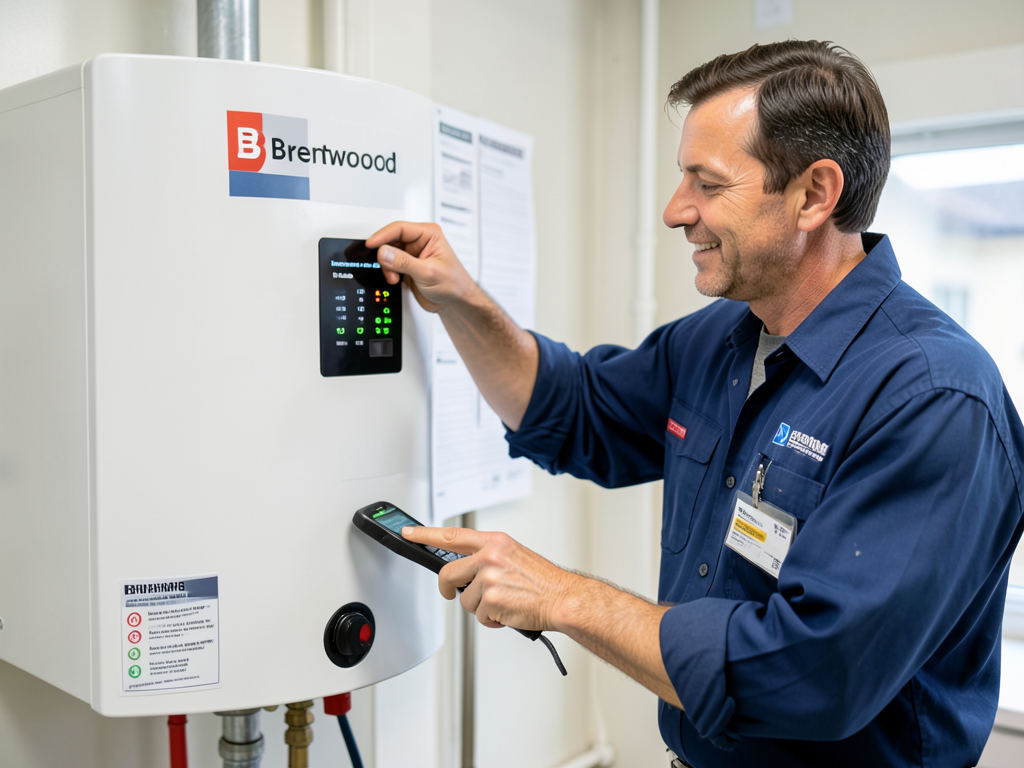
We test water heaters for sediment accumulation, anode rod condition, and thermostat accuracy. Boilers receive combustion analysis, pressure relief valve testing, and expansion tank pressure verification. Recirculation pumps get bearing inspection and flow rate measurement. Sump pumps undergo float switch testing and discharge line verification.

Drain system maintenance prevents blockages before they occur. We hydro-jet main lines to remove grease and mineral deposits. Video camera inspection identifies root intrusion, offset joints, and deteriorating pipe sections. Floor drain traps get cleaning and refilling to maintain proper seals. Roof drains receive leaf guard cleaning and overflow testing.

Fixture maintenance extends component life and prevents water waste. We replace worn flushometer diaphragms, adjust flush volumes, and repair leaking supply lines. Faucet aerators get descaling or replacement. Mixing valves receive temperature calibration. This systematic approach keeps your plumbing infrastructure reliable and efficient.

How Scheduled Plumbing Maintenance Works

Preventative Commercial Maintenance in Nashville | Reduce Downtime and Avoid Emergency Plumbing Costs
01

Initial System Audit

We inventory every plumbing component in your facility. This includes fixture counts, equipment specifications, valve locations, and access panel documentation. We photograph systems, test water pressure at multiple points, and identify any immediate concerns requiring attention. You receive a comprehensive baseline report documenting current conditions and recommended maintenance frequencies based on your specific usage patterns and equipment configuration.
02

Scheduled Service Intervals

We perform inspections and maintenance during your preferred service windows. Each visit follows documented checklists specific to your facility type. Technicians test equipment operation, measure performance metrics, clean components, and replace wear items before failure. You receive service reports documenting work completed, components replaced, and any developing issues requiring future attention. We coordinate timing to minimize business disruption and maintain operational continuity.
03

Performance Documentation and Planning

Each maintenance cycle builds historical performance data for your systems. We track component lifespans, identify recurring issues, and forecast capital replacement needs. This documentation supports budgeting decisions and helps prioritize infrastructure investments. You gain visibility into system health trends and can plan replacements during renovation cycles rather than responding to emergency failures. Our maintenance records also provide compliance documentation for insurance and regulatory requirements.

Why Nashville Businesses Choose Ironwood Plumbing Nashville

Commercial plumbing failures do not wait for convenient timing. You need a maintenance partner who understands the operational requirements of Nashville businesses and the specific challenges our infrastructure faces.

We maintain commercial systems across Nashville's diverse business landscape. From Germantown's converted historic buildings with aging cast iron stacks to the high-rise office towers in the Gulch using modern PEX and press-fit copper systems, we document and service every configuration. We understand how the 2010 Cumberland River flood affected below-grade plumbing in downtown properties and which buildings require enhanced backwater valve maintenance.

Nashville's rapid growth means many commercial buildings combine original infrastructure with renovation additions. A Broadway honky-tonk might have 1920s galvanized supply lines feeding modern low-flow fixtures. An East Nashville coffee shop in a converted house has residential-grade plumbing handling commercial demand. We assess these mixed systems realistically and develop maintenance protocols that address actual conditions, not idealized new construction.

Metro codes require specific backflow prevention, grease trap sizing, and water heater venting for commercial properties. We ensure your maintenance program addresses these compliance requirements and document proper operation for health department inspections. Our familiarity with local inspectors and permitting processes means we can coordinate any needed upgrades efficiently.

The cost of our scheduled commercial plumbing upkeep is predictable and budgetable. Emergency repairs are not. A maintenance agreement transforms plumbing from an unpredictable liability into a managed operational expense. You gain priority response if issues arise between scheduled visits, and our documented service history ensures continuity even when technician assignments change.

What Your Maintenance Program Includes

Service Frequency and Scheduling

Maintenance intervals depend on your facility type and usage intensity. High-demand kitchens typically require monthly inspections and quarterly drain maintenance. Office buildings with moderate use often need quarterly comprehensive service. Retail locations fall somewhere between based on restroom traffic and back-of-house requirements. We schedule service during your low-traffic periods, early mornings, or after-hours to avoid disrupting business operations. You receive advance notice of upcoming service dates and can adjust timing if conflicts arise with events or peak business periods.

Comprehensive System Inspection

Each service visit includes systematic inspection of all accessible plumbing components. We test fixture operation, check for leaks at supply connections and drain joints, verify proper drainage flow, and inspect exposed piping for corrosion or damage. Water heaters and boilers receive temperature verification, pressure relief valve testing, and burner inspection. Sump pumps get operational testing and discharge line clearing. We document conditions with photographs and note any changes from previous inspections, allowing us to track deterioration rates and predict component replacement timing.

Preventive Repairs and Adjustments

We address minor issues during scheduled visits before they escalate into emergencies. This includes replacing worn flapper valves, tightening loose supply connections, adjusting flush volumes, cleaning aerators and showerheads, lubricating valve stems, and replacing deteriorating supply hoses. These small interventions prevent water waste, extend fixture life, and eliminate the nuisance service calls that disrupt your operations. Major repairs requiring parts ordering or extended downtime get scheduled separately with your advance approval, giving you control over timing and budget.

Documentation and Compliance Records

You receive detailed service reports after each maintenance visit documenting work performed, components replaced, test results, and photographs of system conditions. These records demonstrate due diligence for liability purposes and provide documentation for insurance claims if water damage occurs despite proper maintenance. For facilities requiring regulatory compliance, we provide certification of backflow preventer testing, tempered water temperature verification, and grease trap maintenance records. This documentation package supports health department inspections, insurance audits, and due diligence requirements during property sales or lease renewals.

Frequently Asked Questions

You Have Questions,
We Have Answers

What are the 5 types of preventive maintenance? +

The five types of preventive maintenance are time-based maintenance (scheduled at fixed intervals), usage-based maintenance (triggered by runtime hours or cycles), condition-based maintenance (monitored through diagnostics), predictive maintenance (using data analytics to forecast failures), and prescriptive maintenance (automated system recommendations). For commercial facilities in Nashville, time-based and condition-based approaches work best given the region's high humidity and seasonal temperature swings that stress HVAC components. Your maintenance plan should combine multiple types to address equipment variability, occupancy demands, and operational priorities while minimizing downtime and extending asset life.

How much does preventive maintenance cost for commercial HVAC? +

Commercial HVAC preventive maintenance costs vary based on system size, complexity, and service frequency. Factors include tonnage, number of units, accessibility, and existing equipment condition. Most Nashville commercial properties benefit from quarterly service agreements that cover filter changes, coil cleaning, refrigerant checks, and electrical inspections. Costs scale with building square footage and equipment age. Budget for higher initial costs if you have deferred maintenance or older systems common in Nashville's historic commercial districts. Investing in scheduled maintenance reduces emergency repair expenses and lowers utility bills by maintaining peak efficiency in Tennessee's humid climate.

What are the 7 elements of preventive maintenance? +

The seven elements of preventive maintenance include equipment inspections, lubrication, cleaning, adjustments, parts replacement, testing, and documentation. For Nashville commercial properties, regular inspections identify wear from humidity and temperature extremes. Lubrication prevents friction damage in motors and bearings. Cleaning removes dust and biological growth common in Tennessee. Adjustments maintain calibration and performance. Parts replacement addresses wear items before failure. Testing verifies system operation under load. Documentation creates service history for compliance and asset management. Together, these elements reduce breakdowns, extend equipment life, and maintain code compliance for your commercial facility.

What are examples of preventative maintenance? +

Preventative maintenance examples for commercial properties include changing air filters monthly, cleaning condenser coils quarterly, inspecting belts and pulleys, testing thermostat accuracy, checking refrigerant levels, lubricating motor bearings, tightening electrical connections, clearing drain lines, calibrating controls, and replacing worn components. In Nashville, prioritize tasks that address humidity-related issues like drain pan cleaning and condensate line flushing. Rooftop unit inspections matter more here due to storm exposure. Schedule filter changes more frequently during high pollen seasons. Document all work to maintain warranty compliance and track asset performance for budgeting decisions.

What are the 4 P's of maintenance? +

The four P's of maintenance are Preservation (protecting assets from deterioration), Prediction (forecasting failures before they occur), Prevention (stopping problems through scheduled service), and Perfection (continuous improvement of maintenance processes). For Nashville commercial operations, preservation means protecting equipment from humidity and weather exposure. Prediction uses diagnostic data to schedule repairs during low-occupancy periods. Prevention follows manufacturer intervals adjusted for local climate stress. Perfection involves analyzing maintenance data to optimize scheduling and reduce costs. This framework helps you move from reactive repairs to strategic asset management that minimizes downtime and controls operating expenses.

What is the 10% rule of preventive maintenance? +

The 10% rule of preventive maintenance states that you should allocate approximately 10% of an asset's replacement cost annually for maintenance and repairs. This guideline helps commercial property managers budget appropriately for equipment upkeep. For Nashville facilities, factor in higher maintenance needs due to humidity stress on HVAC systems and weather exposure on rooftop units. Buildings with older equipment or deferred maintenance may require higher initial investment. The rule provides a baseline, but actual costs depend on equipment age, usage intensity, and service history. Proper preventive maintenance typically costs less than emergency repairs and extends asset life significantly.

What is the $5000 AC rule? +

The $5000 AC rule is a residential guideline comparing repair costs against replacement value. It states that if repair cost multiplied by equipment age exceeds $5000, replacement makes more financial sense than repair. For commercial HVAC in Nashville, this oversimplified formula does not apply. Commercial decisions require calculating total cost of ownership, remaining useful life, energy efficiency gains, tax implications, and business disruption costs. Your commercial system may justify higher repair investments if it maintains business continuity or if replacement requires extensive infrastructure modifications. Consult with a commercial HVAC specialist to analyze lifecycle costs specific to your facility and operational requirements.

What is the 3 minute rule for AC? +

The 3 minute rule for AC states you should wait three minutes between shutdown and restart to protect the compressor. This delay allows refrigerant pressure to equalize, preventing strain on the compressor during startup. For commercial systems in Nashville, this matters most after power outages or when technicians cycle equipment during service. Modern commercial units often have built-in delay timers, but manual controls require operator discipline. Repeated short cycling damages compressors and reduces equipment life. Train your facility staff to respect this interval. For businesses with critical cooling needs, install proper control systems that enforce minimum off-cycle times automatically.

What is the most expensive part in an HVAC unit? +

The compressor is the most expensive component in an HVAC unit, often representing 40-50% of total equipment replacement cost. For commercial systems in Nashville, compressor failure typically results from refrigerant issues, electrical problems, or inadequate maintenance. High ambient temperatures and constant runtime stress compressors in Tennessee's climate. Heat exchangers and variable-speed drives also rank among costly components. Preventive maintenance protects these expensive parts through regular refrigerant checks, electrical inspections, and airflow verification. When a compressor fails on older equipment, total replacement often makes more economic sense than repair given labor costs and remaining component life.

What is a PM checklist? +

A PM checklist is a documented preventive maintenance task list that ensures technicians complete all required inspections, adjustments, and services consistently. Commercial checklists in Nashville should include filter inspection, coil cleaning, refrigerant level checks, electrical connection testing, belt condition assessment, drain line verification, thermostat calibration, airflow measurement, and safety control testing. Effective checklists are equipment-specific, address local climate factors like humidity, meet manufacturer requirements, satisfy warranty conditions, and comply with building codes. Digital checklists allow real-time documentation, photo uploads, and automated scheduling. Your PM checklist should serve as both a quality control tool and historical maintenance record.

Why Nashville's Water Quality Demands Proactive Commercial Maintenance

Nashville's municipal water supply comes from the Cumberland River and contains dissolved limestone minerals that accelerate scale formation in commercial equipment. Water heaters, boilers, and dishwashers develop mineral deposits that reduce efficiency and shorten equipment life. Scale accumulation in supply lines gradually restricts flow and increases pump loads. Hard water also interferes with detergent effectiveness in commercial laundries and kitchens, requiring higher chemical usage. Preventive commercial plumbing services include descaling treatments and sediment flushing that preserve equipment performance and prevent premature replacement costs in Nashville's mineral-rich water environment.

Nashville's construction boom means plumbing infrastructure ages rapidly as buildings transition from new construction to established operations. The commercial corridors along West End, Charlotte Pike, and Nolensville Road contain facilities ranging from brand new to over a century old. Ironwood Plumbing Nashville maintains systems across this entire spectrum and understands how different materials and installation methods age in our climate. Our commercial plumbing service agreements provide continuity as your facility matures, with maintenance protocols that evolve as systems age and usage patterns change. This local expertise protects your investment and keeps your business operational.
Plumbing Services in The Nashville Area

Looking for expert plumbing services near you? Ironwood Plumbing Nashville proudly serves homeowners and businesses throughout the greater Nashville area with professional plumbing repairs, water heater installation, leak detection, and emergency plumbing services. From Brentwood to Hendersonville, our licensed plumbers are ready to respond quickly and efficiently. Use the map below to explore our coverage areas and discover fast, reliable plumbing help right around the corner.

Address:
IronwoodPlumbingNashville, 3102 West End Ave Suite 400, American Center, Nashville, TN, 37203

Additional Services We Offer

Our news updates

Latest Articles & News from The Blogs

Lorem ipsum dolor sit amet. Aut expedita quaerat quo eligendi numquam et laudantium perspiciatis qui minima expedita rem consequatur ducimus.…

Test Blog 4

Lorem ipsum dolor sit amet. Aut expedita quaerat quo eligendi numquam et laudantium perspiciatis qui minima expedita rem consequatur ducimus.…

Test Blog 3

Lorem ipsum dolor sit amet. Aut expedita quaerat quo eligendi numquam et laudantium perspiciatis qui minima expedita rem consequatur ducimus.…

Test Blog 2

Lorem ipsum dolor sit amet. Aut expedita quaerat quo eligendi numquam et laudantium perspiciatis qui minima expedita rem consequatur ducimus.…

Contact Us

Stop reacting to plumbing emergencies and start preventing them. Call (615) 413-8833 now to schedule your facility assessment. We will document your current systems and recommend a maintenance schedule that protects your operations and controls costs.