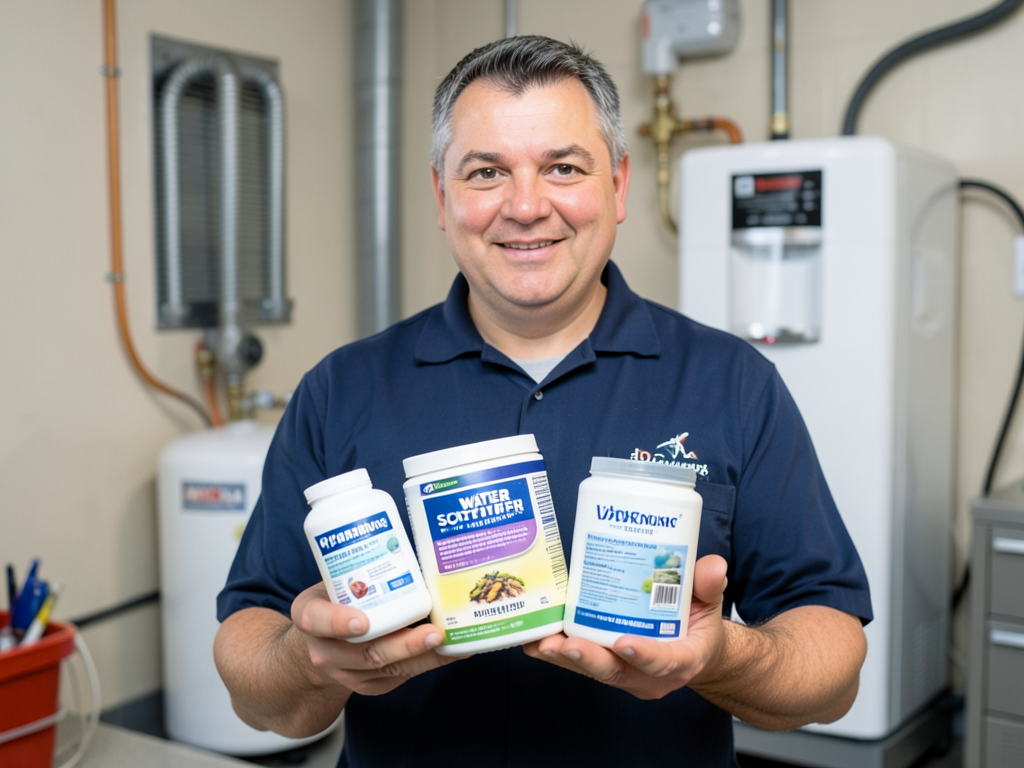






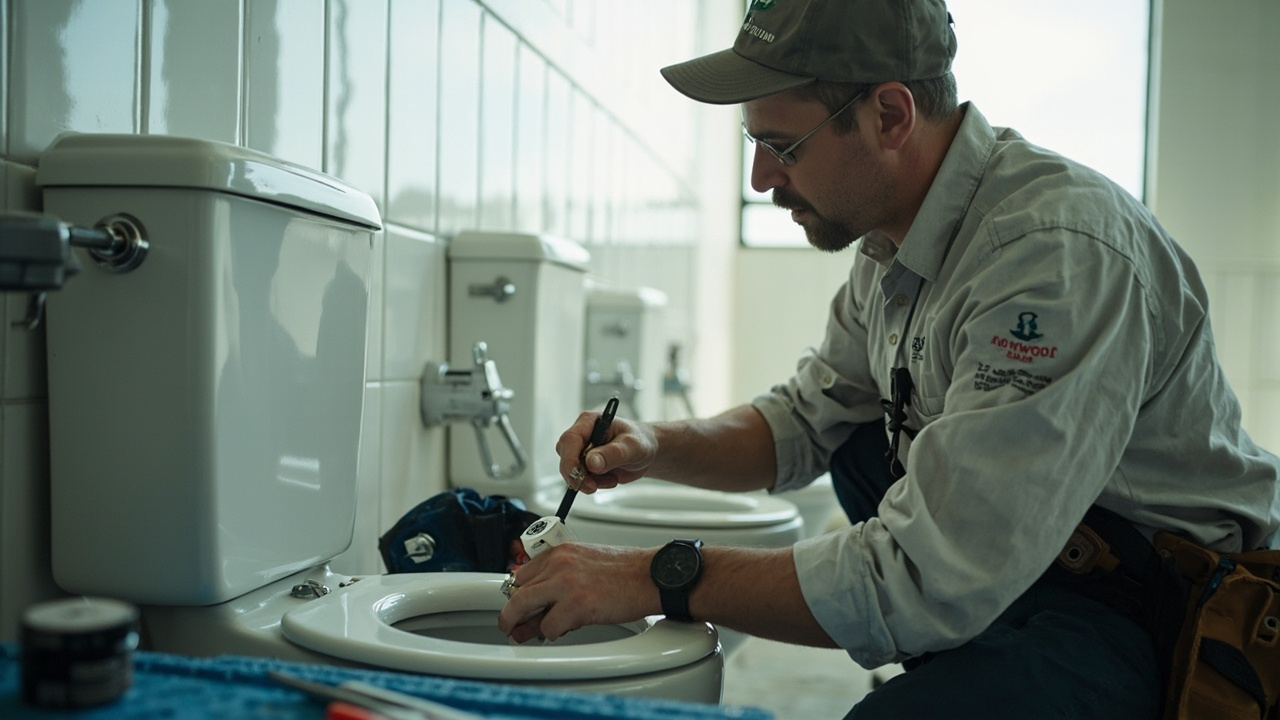

Nashville's municipal water supply contains 8-10 grains per gallon of hardness, primarily calcium carbonate from the Cumberland River watershed. This mineral content creates scaling inside flushometer valve bodies that restricts diaphragm movement and causes premature seal failure. Commercial facilities with high fixture usage experience accelerated mineral accumulation because constant water flow deposits more calcium than residential applications. Electronic sensor-activated urinals face additional complications as mineral scaling coats infrared lenses and reduces detection accuracy, requiring more frequent commercial urinal maintenance than similar installations in soft water regions. The scaling issue particularly affects facilities in the downtown core and Midtown areas served by older distribution lines with higher mineral concentrations.
Metro Nashville requires licensed plumbers to perform all commercial fixture work, prohibiting the unlicensed handyman repairs that some property managers attempt to reduce costs. This licensing requirement protects building owners from liability exposure created by improper backflow prevention or code violations that trigger health department citations. Commercial facilities undergo periodic inspections by Metro Public Health Department officials who verify restroom fixture operation, ADA compliance, and proper sanitation conditions. Non-compliant fixtures identified during these inspections require immediate correction, often with re-inspection fees and potential operating permit suspension until violations clear. Choosing commercial plumbing providers familiar with Metro Nashville inspection protocols ensures repairs meet current standards and withstand regulatory scrutiny.